Your heating system either works when you need it, or it doesn’t. There’s no in-between when temperatures drop overnight and your family’s counting on consistent warmth.
A properly installed heat pump or furnace means even temperatures in every room. No more cold spots near the windows or hallways that feel like a different climate zone. Modern systems adjust in real time to handle Texas weather swings without running constantly or cycling on and off every few minutes.
You’ll notice the difference on your utility bills. Heat pumps can cut your heating costs by up to 75% compared to older resistance heating systems. That’s not marketing talk—that’s how inverter-driven compressors and variable-speed technology actually perform when installed correctly for your home’s specific layout and insulation.
The real outcome is simple: you stop worrying about your heating system. It runs quietly in the background, keeps your home comfortable, and doesn’t demand attention until it’s time for routine maintenance.
We’re a veteran-owned HVAC contractor based in San Antonio, serving Universal City and surrounding areas since 2004. We’ve installed heating systems in hundreds of homes around Randolph Air Force Base, along Kitty Hawk Road, and throughout the 78148 and 78150 zip codes.
Most homes in Universal City were built decades ago. That creates specific challenges—older ductwork, mismatched system sizes, and layouts that weren’t designed for modern HVAC efficiency. We’ve seen it all, and we know how to work with what you have.
Our team includes certified, licensed technicians who show up on time, explain what needs to happen, and complete installations without dragging the job out. We’re available 24/7 because heating emergencies don’t wait for business hours, and neither do we.
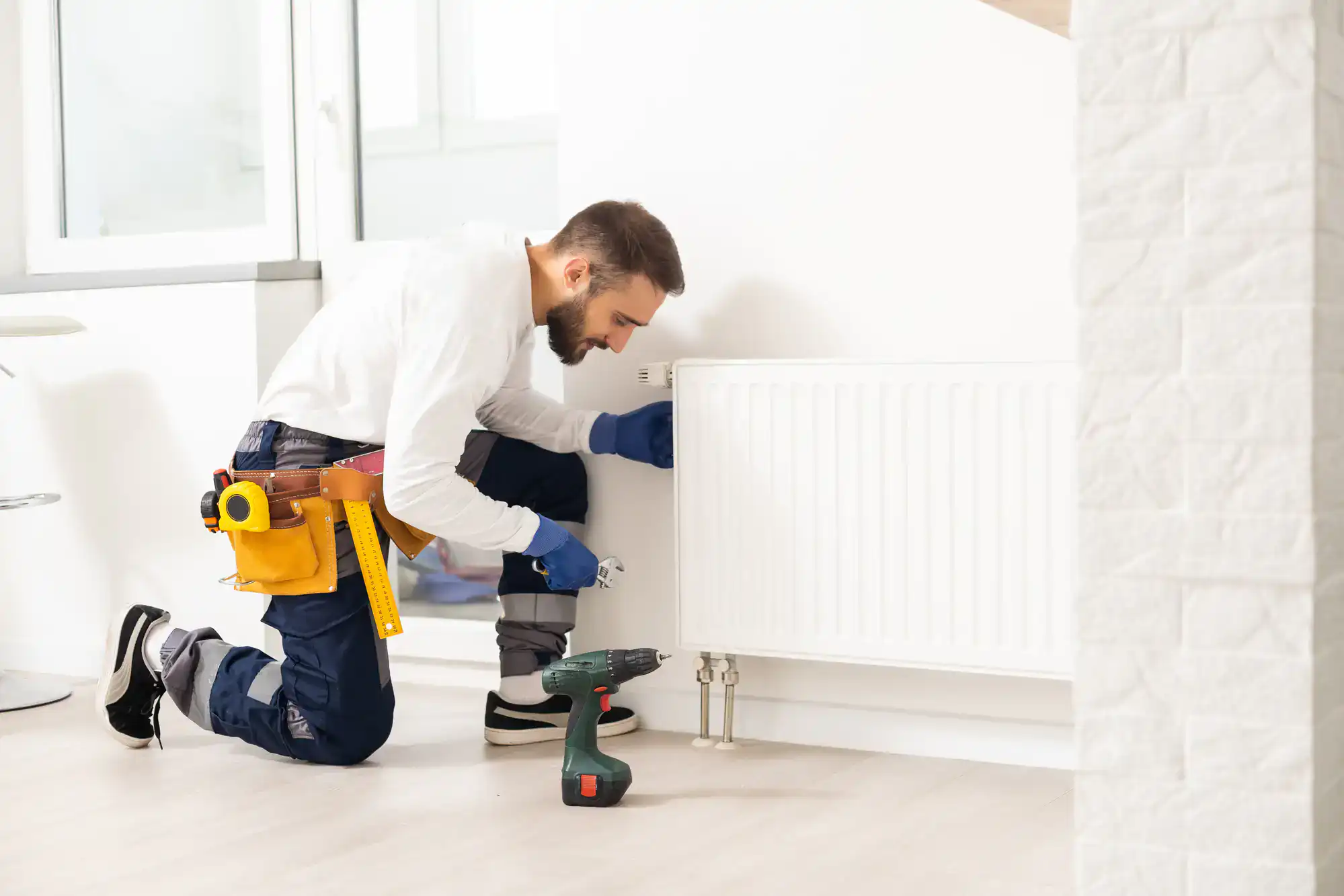
First, we assess your home’s current setup. That means checking your existing ductwork, measuring your square footage, evaluating insulation levels, and understanding how your home actually uses energy. We’re not selling you the biggest system we can—we’re sizing equipment that matches your specific needs.
Next, we walk you through your options. Heat pumps make sense for most Universal City homes because they handle both heating and cooling efficiently in our mild winters. If you need a furnace or a dual-fuel system, we’ll explain why and show you the cost difference upfront. You’ll know what equipment we’re installing, what efficiency ratings mean for your bills, and what warranties cover.
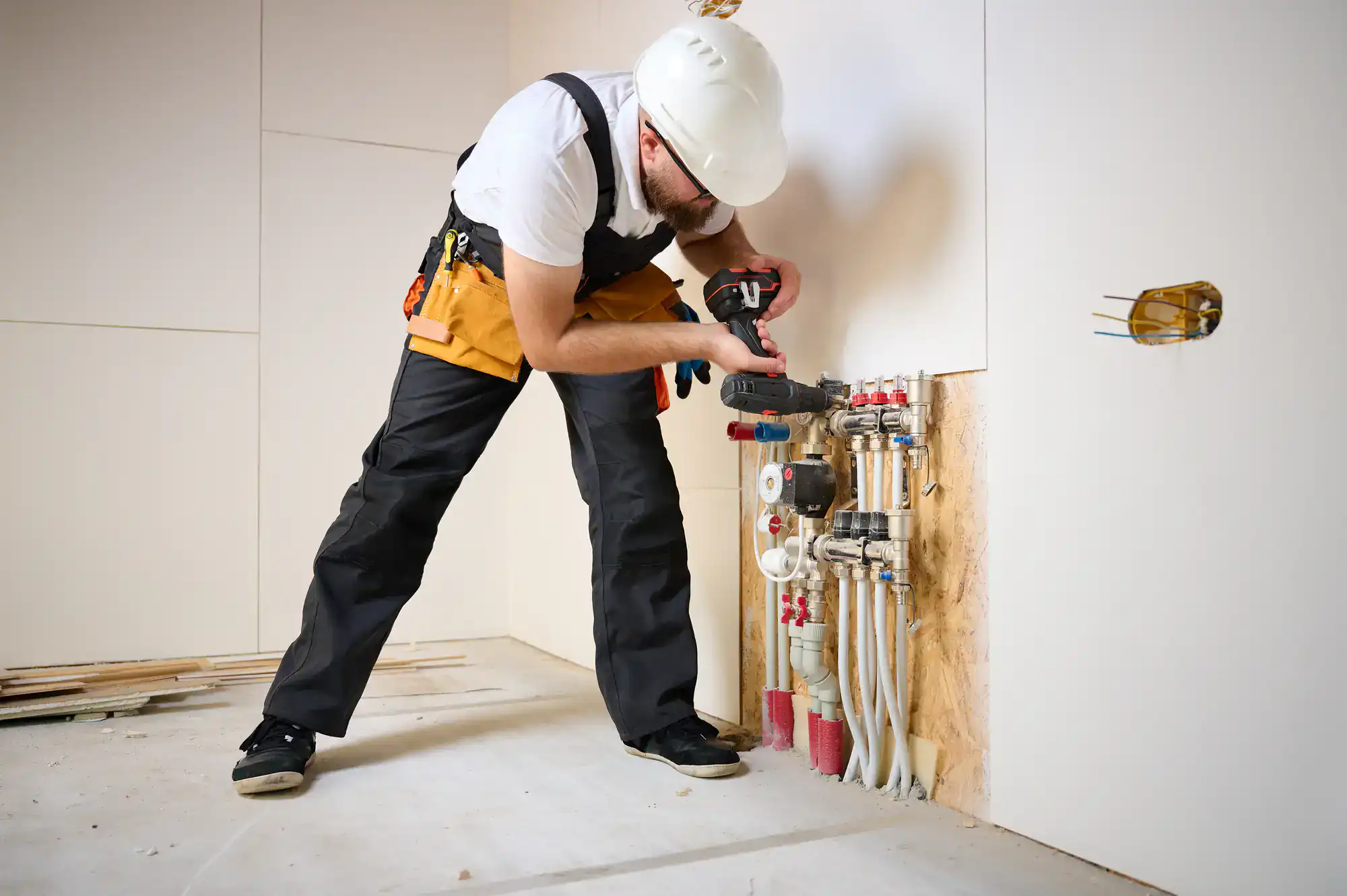
Installation typically takes one to three days depending on whether we’re replacing an existing system or installing new ductwork. We remove your old equipment, install the new system, connect it to your thermostat (or install a new smart thermostat if you want one), test everything, and make sure airflow is balanced throughout your home.
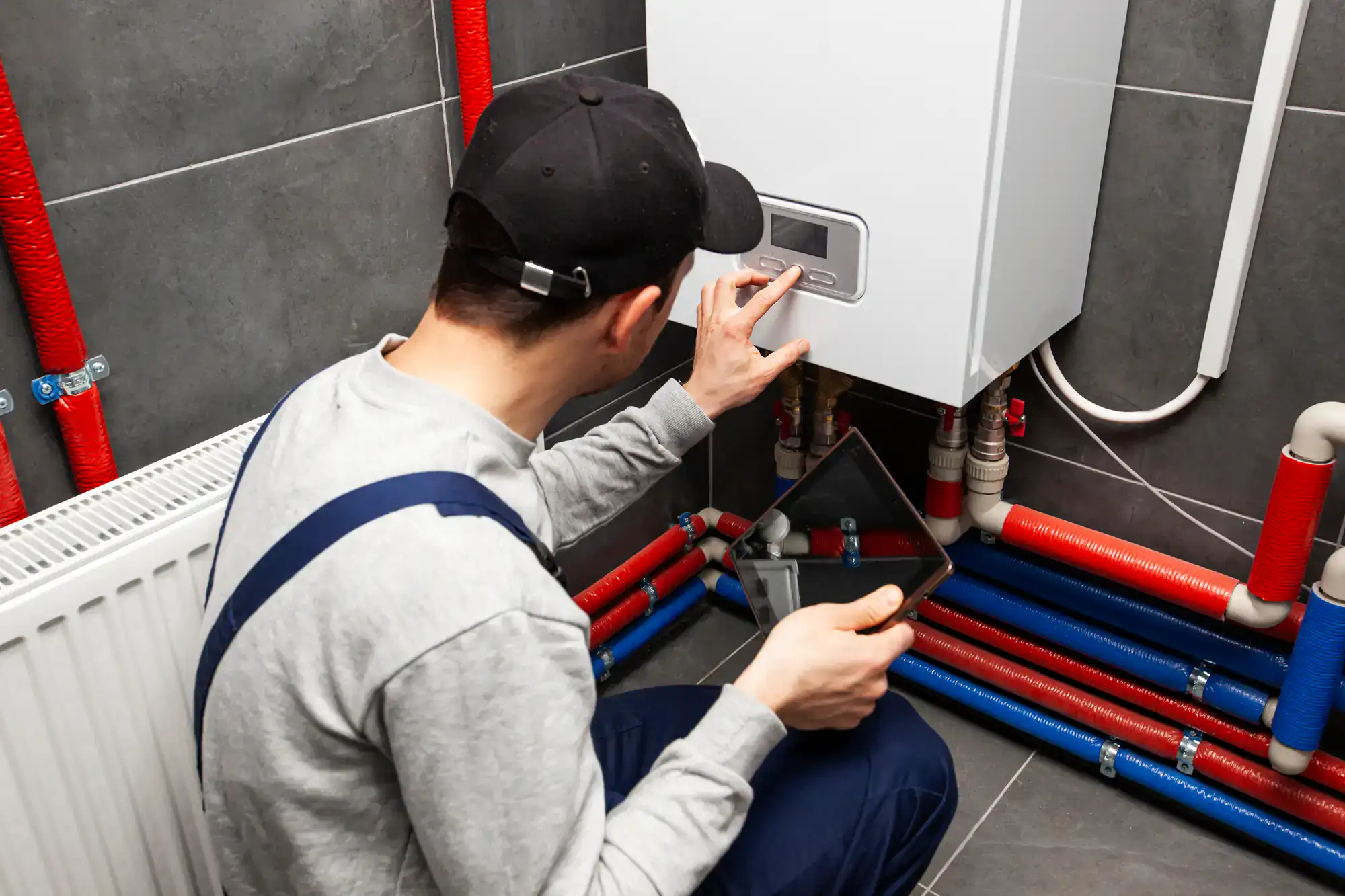
Before we leave, we show you how to operate your new system and answer any questions. You get documentation on your equipment, warranty information, and a maintenance schedule that keeps your system running efficiently for years.
Ready to get started?
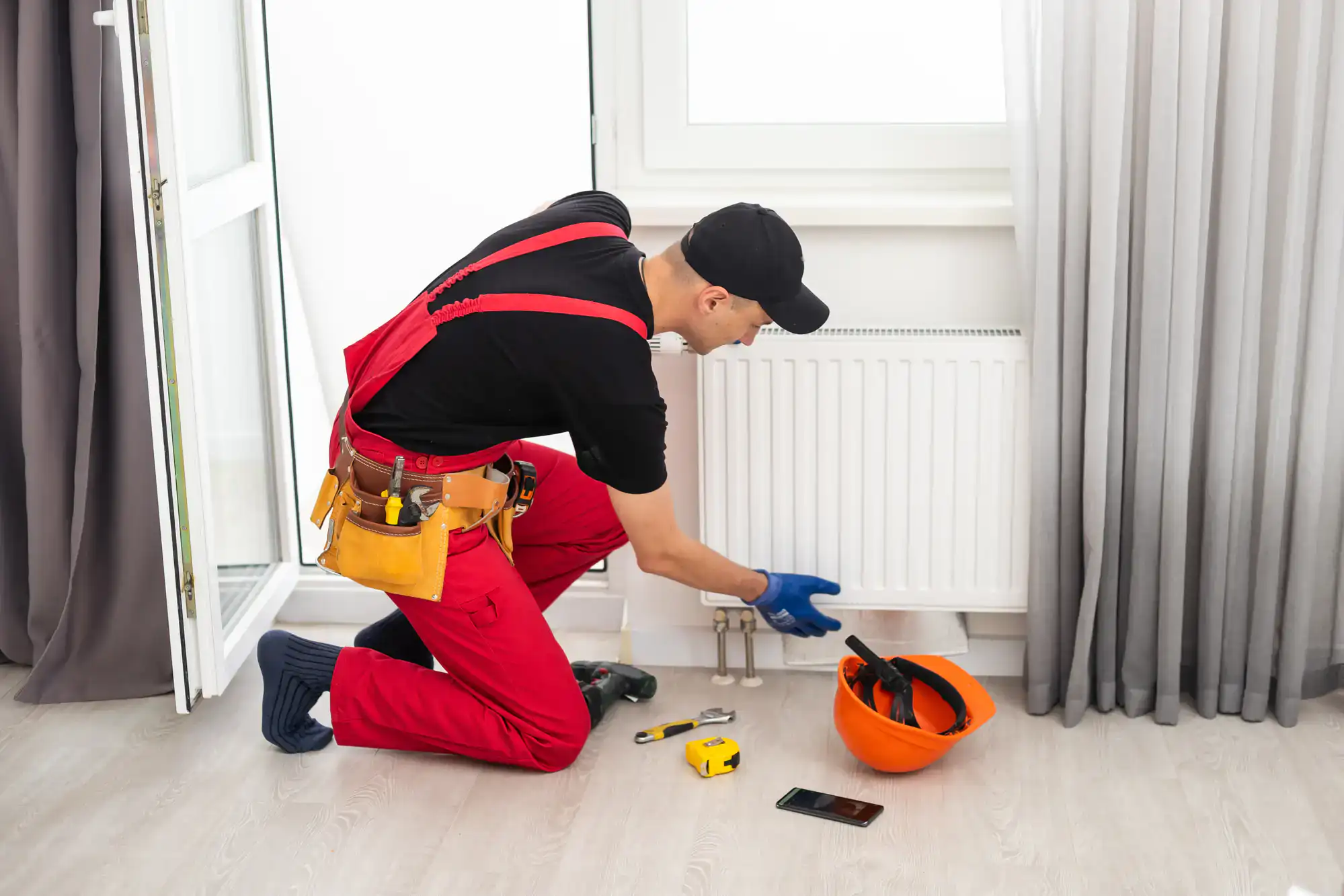
Your residential heating system installation in Universal City includes complete equipment removal, new system installation, electrical connections, thermostat setup, and full testing. We handle permits and ensure everything meets local building codes.
Most Universal City homeowners choose heat pump systems because they’re efficient in our climate and handle both seasons. A complete heat pump installation typically runs between $6,500 and $15,000 depending on system size and efficiency rating. Entry-level 14 SEER systems start around $4,200, while high-efficiency 16-18 SEER models with variable-speed compressors run $7,500 to $11,000.
If you’re installing in 2026, federal tax credits and rebates can significantly reduce your upfront cost. Recent energy legislation offers incentives specifically for high-efficiency heat pump installations, making upgrades more affordable than they’ve been in years.
We install systems from major manufacturers with proven track records in Texas heat and humidity. Every installation includes a comprehensive warranty on parts and labor. We also offer smart thermostat integration, which lets you control your system remotely and optimize energy use based on your actual schedule.
For homes near Randolph Air Force Base or in older Universal City neighborhoods, we often recommend ductwork inspection before installation. Leaky or undersized ducts waste energy and create uneven heating, no matter how good your equipment is.
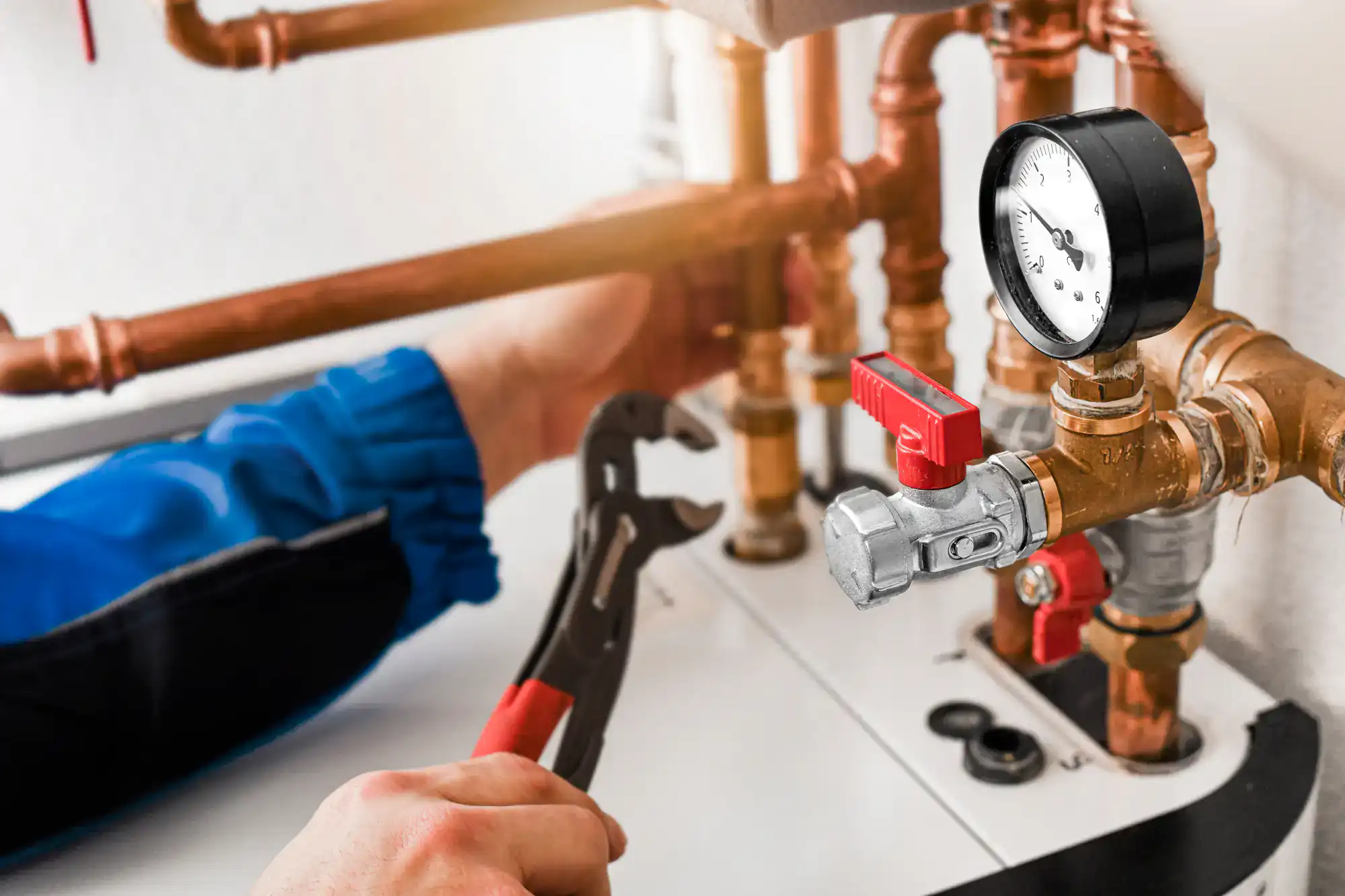
Most heating system installations in Universal City take one to three days from start to finish. A straightforward replacement where we’re swapping out an old furnace or heat pump for a new one typically takes one full day. More complex jobs—like installing a heat pump system in a home that previously had a furnace, or upgrading ductwork alongside new equipment—usually take two to three days.
The timeline depends on a few factors. If your home has accessible ductwork and your electrical panel can handle the new system without upgrades, installation moves faster. Older homes around Kitty Hawk Road or near Randolph AFB sometimes need electrical work or duct modifications, which adds time but ensures your system operates safely and efficiently.
We don’t rush installations to hit a timeline. Your system needs to be sized correctly, connected properly, and tested thoroughly. That’s how you avoid callbacks, uneven heating, and premature equipment failure. We’ll give you a realistic timeline during your assessment so you know exactly what to expect.
Heat pumps and furnaces both heat your home, but they work differently and perform differently in Universal City’s climate. A heat pump moves heat from outside air into your home using electricity—no gas, no combustion. A furnace burns natural gas or propane to create heat.
For Universal City, heat pumps usually make more sense. Our winters are mild enough that heat pumps operate efficiently without needing backup heat most of the time. They also cool your home in summer, so you’re getting year-round climate control from one system. Modern heat pumps with inverter-driven compressors adjust output in real time, which keeps your home comfortable during temperature swings without constantly cycling on and off.
Furnaces work well if you already have natural gas service and prefer that fuel source, or if you want a dual-fuel system that switches to gas during rare deep freezes. They heat up faster than heat pumps and can handle extreme cold better. But for most homeowners in the 78148 and 78150 zip codes, a high-efficiency heat pump delivers better year-round performance and lower operating costs than a furnace-only setup.
Professional heating system installation in Universal City typically costs between $6,500 and $15,000 for a complete system including equipment, labor, permits, and startup. The wide range reflects differences in system type, efficiency rating, home size, and installation complexity.
Entry-level heat pump systems with 14 SEER efficiency start around $4,200 to $6,500. These work fine for smaller homes or budget-conscious homeowners who want reliable heating and cooling without premium features. Mid-range systems with 16-18 SEER ratings and variable-speed technology run $7,500 to $11,000. These are the sweet spot for most Universal City homes—noticeably better efficiency and comfort without the top-tier price tag.
High-efficiency systems above 18 SEER with advanced features like smart thermostat integration and multi-stage compressors can reach $12,000 to $15,000. If your home needs ductwork modifications or electrical panel upgrades, add another $1,500 to $4,000 depending on scope.
For 2026 installations, federal tax credits and rebates can reduce your cost by several thousand dollars. We’ll help you understand what incentives you qualify for and how to claim them. The upfront investment matters, but so does long-term operating cost—a more efficient system often pays for itself in energy savings over five to seven years.
Not always, but it’s worth inspecting before you install new equipment. Many Universal City homes have ductwork that’s 20 to 30 years old. If your ducts are leaking, undersized, or poorly insulated, they’ll waste energy and create comfort problems no matter how efficient your new heating system is.
We inspect ductwork as part of every installation assessment. We’re looking for visible leaks, disconnected sections, inadequate insulation in attics or crawl spaces, and sizing issues. If your ducts are in good shape and properly sized for your new system, you don’t need to replace them. If we find problems, we’ll show you exactly what needs attention and explain how it affects performance.
Duct sealing and insulation upgrades usually cost $1,500 to $3,000 depending on your home’s layout and accessibility. Full duct replacement runs $3,000 to $6,000 for most homes. That sounds like a lot, but leaky ductwork can waste 20% to 30% of your heated and cooled air. Fixing it means your new system actually delivers the comfort and efficiency you paid for.
In older neighborhoods around Randolph Air Force Base, we often find ductwork that was sized for smaller, less efficient equipment. Upgrading to a modern heat pump sometimes requires duct modifications to ensure proper airflow and balanced temperatures throughout your home.
Heat pumps work best for most Universal City homes because they handle our mild winters efficiently while also cooling your home in summer. Our climate rarely drops below freezing for extended periods, which is where heat pumps perform at their peak efficiency. Modern air-source heat pumps can reduce your heating electricity use by up to 75% compared to older resistance heating systems.
The key is choosing the right efficiency rating and features for your specific home. A 16 SEER heat pump with a variable-speed compressor gives you good efficiency without overpaying for features you won’t use. If you want maximum efficiency and the smoothest temperature control, look at 18+ SEER systems with inverter-driven technology that adjusts output in real time.
Some homeowners near Randolph AFB prefer dual-fuel systems that pair a heat pump with a gas furnace. The heat pump handles most heating and all cooling, but the system automatically switches to gas when temperatures drop into the low 30s. That setup costs more upfront but delivers the best of both worlds—heat pump efficiency most of the year, plus furnace reliability during rare cold snaps.
Furnace-only systems still make sense if you already have natural gas service and don’t need air conditioning, but that’s uncommon in Universal City. Our summers are too hot to skip cooling, and installing separate heating and cooling systems costs more than a single heat pump that does both.
Correct sizing comes from a detailed load calculation that accounts for your home’s square footage, insulation levels, window types, ceiling height, ductwork layout, and how your home is oriented to the sun. A properly sized heating system runs efficiently, maintains even temperatures, and lasts longer because it’s not overworking or short-cycling.
Oversized systems are a common problem. Some contractors size equipment based on square footage alone or just install the same size unit that was there before. An oversized heat pump or furnace cycles on and off too frequently, which wastes energy, creates temperature swings, and wears out components faster. You’ll feel the difference—rooms that get too hot then too cold, higher utility bills, and equipment that doesn’t last as long as it should.
Undersized systems run constantly trying to keep up, especially during temperature extremes. They’ll eventually reach your target temperature, but they work harder and cost more to operate than a correctly sized system would.
We perform a Manual J load calculation for every installation. That’s the industry standard for proper sizing, and it takes about 30 minutes to complete during your assessment. We measure your home, evaluate insulation, check ductwork, and calculate exactly how much heating and cooling capacity you need. Then we recommend equipment that matches those numbers—not bigger, not smaller. That’s how you get a system that performs efficiently and lasts 15 to 20 years instead of failing early.
Other Services we provide in Universal City
 Call Now