Your employees stop complaining about the temperature. Your customers stay longer. Your energy bills drop because the system isn’t fighting itself to maintain 72 degrees.
That’s what proper commercial HVAC installation in Olmos Park, TX gets you—not just cold air, but predictable performance when it’s 105 outside and your building is full. The difference between a system that limps through summer and one that handles peak load without sweating comes down to how it’s installed.
We’re talking about equipment sized correctly for your square footage, ductwork that actually delivers airflow where you need it, and controls that let you set it and forget it. Not a rush job that passes inspection but fails by August. When a commercial HVAC system installation is done right from the start, you’re not calling for emergency service every time the temperature spikes.
We’ve been handling commercial HVAC installation services across San Antonio, Houston, and Austin for over two decades. Veteran-owned, which means we show up when we say we will and we don’t leave until the job’s done right.
Olmos Park businesses need systems that can handle the unique demands of this climate—summers that regularly hit triple digits and winters that can still drop below freezing overnight. We’ve installed systems in restaurants where kitchen heat adds another layer of complexity, retail spaces where customer comfort directly impacts sales, and office buildings where productivity tanks when the AC can’t keep up.
You’re not getting a crew that learned HVAC in a mild climate and moved here last year. You’re getting technicians who understand what Texas weather does to commercial systems and how to build installations that last.
First, we assess your building—not just square footage, but how you actually use the space, where heat builds up, and what your peak occupancy looks like. A 3,000-square-foot restaurant needs different capacity than a 3,000-square-foot office, even if the math says otherwise.
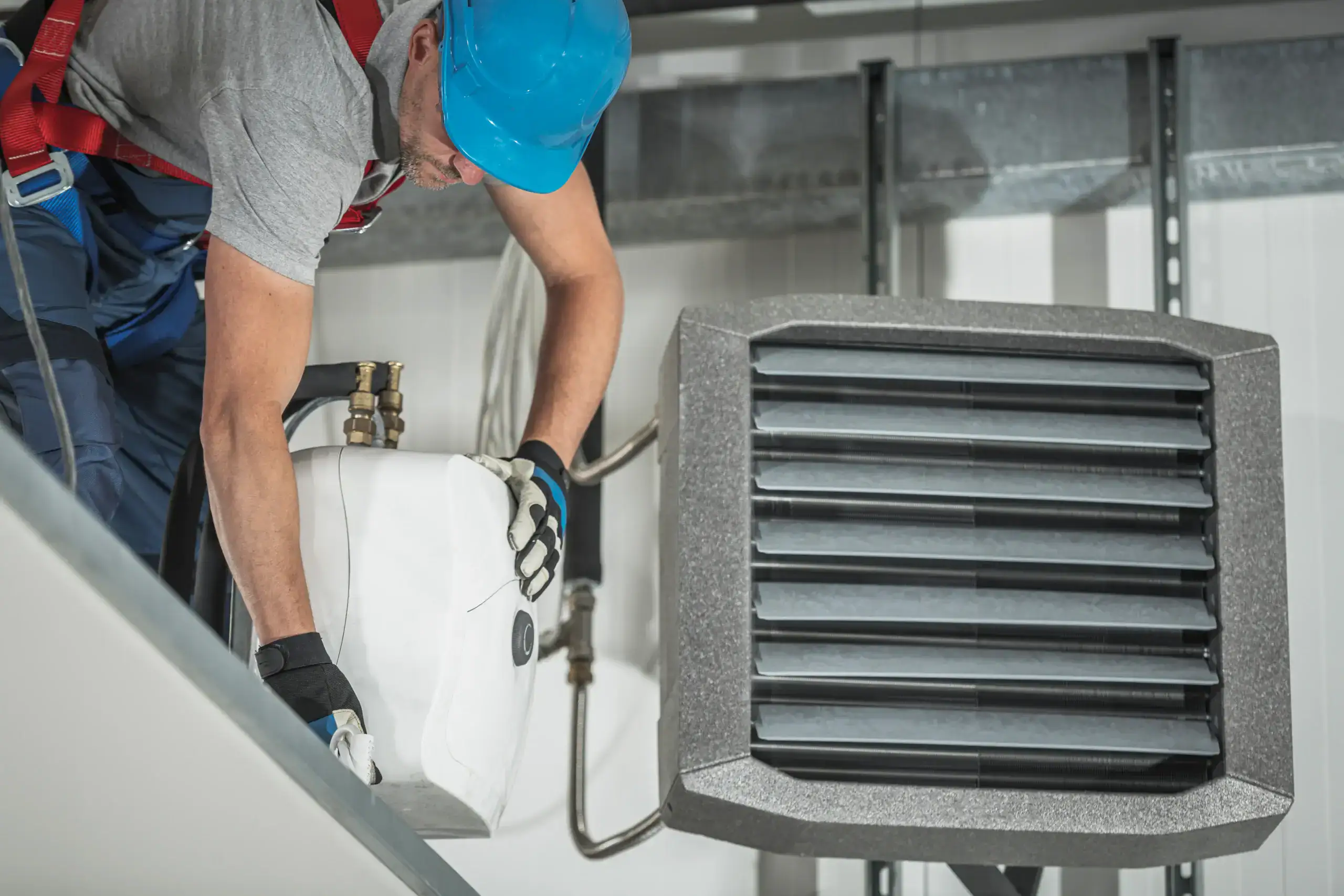
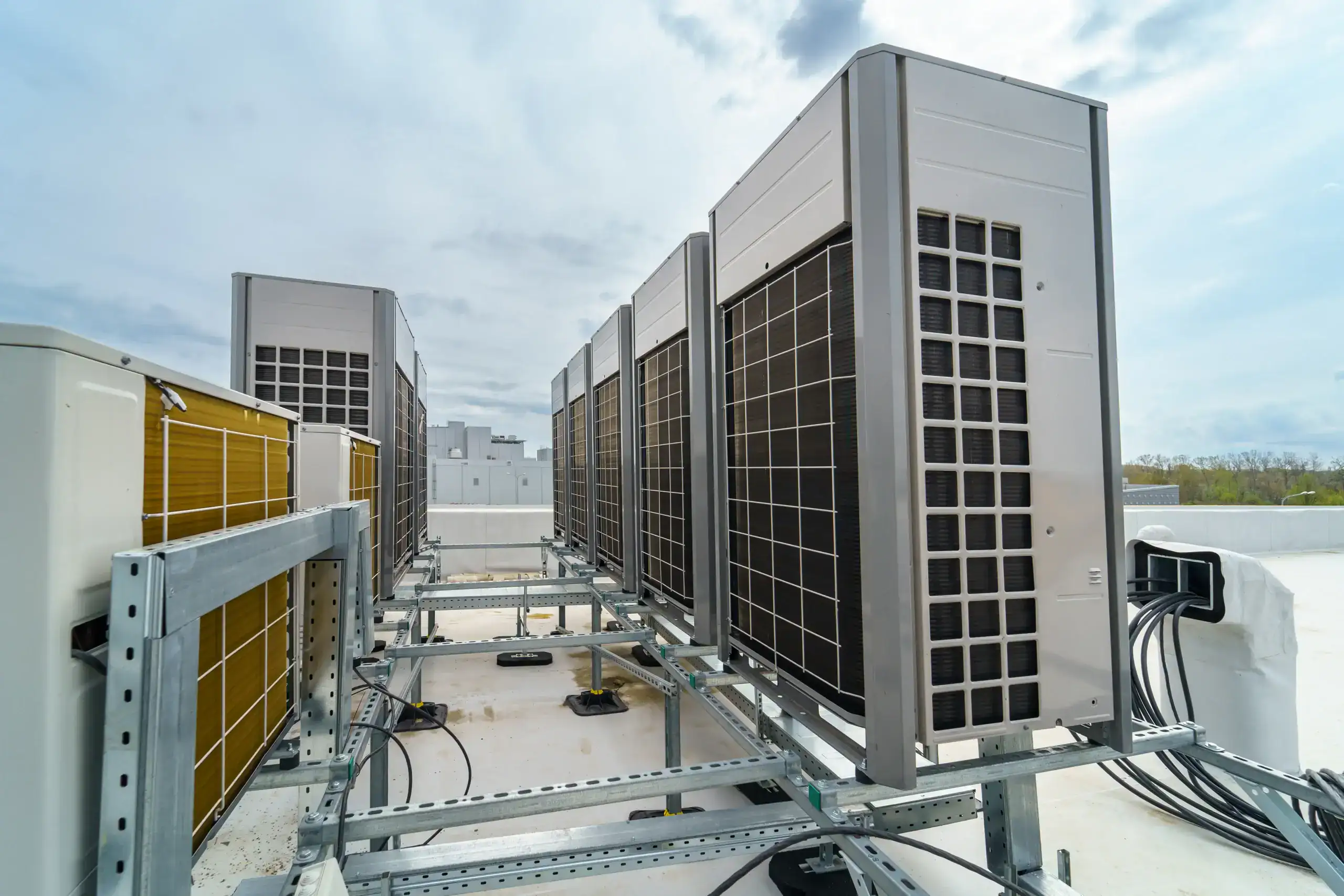
Then we design the system layout. For most Olmos Park commercial properties, that means rooftop units that keep equipment out of your usable space and make maintenance easier down the road. We map out ductwork routes, identify the best locations for thermostats and returns, and plan the electrical and condensate drainage before we touch a tool.
Installation day, we protect your space, position the equipment, run all connections, and test everything under load—not just “does it turn on” but “does it maintain temperature when stressed.” Before we leave, you get a walkthrough of your new system, including how to use the controls and what to watch for. Then we hand you documentation and warranty information, because you’ll want that when it’s time for maintenance.
Ready to get started?
You’re getting equipment that’s properly sized for Texas summers—not undersized to save money upfront or oversized because “bigger is better.” In Olmos Park, where temperatures regularly exceed 100 degrees from June through September, undersized systems run constantly and fail early. Oversized systems short-cycle and never dehumidify properly.
The installation includes all ductwork modifications or replacements needed to actually deliver the airflow your new system produces. Old ductwork with leaks and restrictions kills efficiency no matter how good your equipment is. We also install programmable or smart thermostats that let you control temperatures by zone and schedule, which matters when your business has varying occupancy throughout the day.
Every commercial HVAC system installation in Olmos Park, TX from us includes startup and testing, which means we run the system through full heating and cooling cycles, check refrigerant levels, verify electrical connections, and measure actual airflow at the registers. You also get our warranty on both parts and labor, plus 24/7 emergency service if something goes wrong outside business hours. Because in this climate, AC failure isn’t something that can wait until Monday morning.
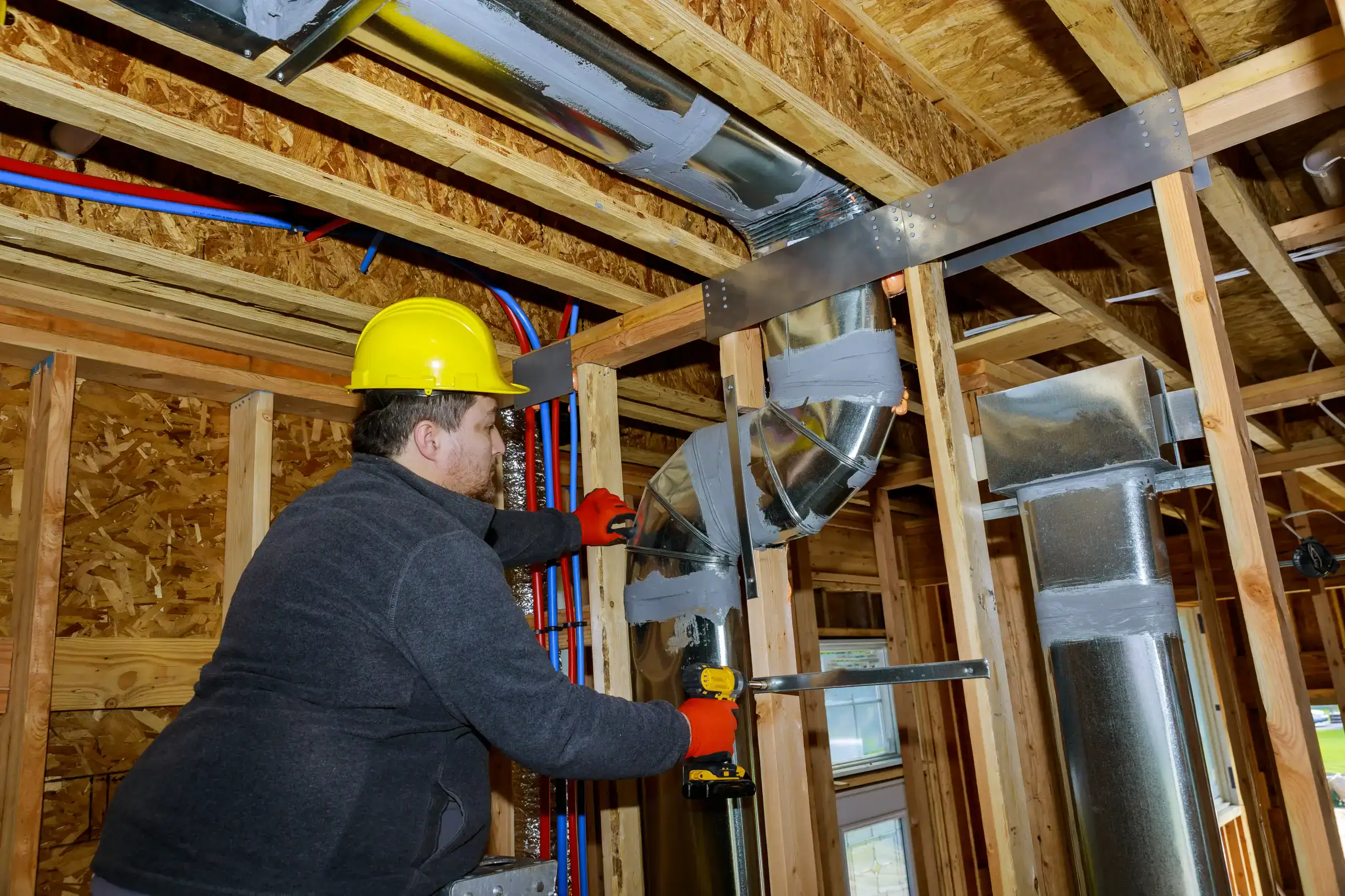
Most commercial HVAC installations take between two and five days depending on system size and building complexity. A single rooftop unit for a small office might be done in two days—one for equipment placement and connections, another for ductwork modifications and testing.
Larger buildings with multiple zones, extensive ductwork changes, or older buildings that need electrical upgrades can stretch to a week. Restaurants typically take longer because we’re working around your operating hours and dealing with kitchen exhaust integration.
We’ll give you a specific timeline after the initial assessment. What slows things down isn’t usually the equipment installation itself—it’s dealing with unexpected issues like discovering your existing ductwork is full of gaps or your electrical panel needs upgrading to handle the new system’s load. That’s why the assessment matters.
Size depends on more than square footage—it’s about heat load, which includes occupancy, equipment, lighting, insulation, window exposure, and ceiling height. A restaurant kitchen generates massive heat from cooking equipment. A retail space with floor-to-ceiling windows facing west gets hammered by afternoon sun. An office with 50 computers and monitors adds heat that the AC has to remove.
In Olmos Park’s climate, we typically see commercial buildings need between 400 and 600 square feet of cooling per ton of AC capacity, but that’s just a starting point. A proper load calculation accounts for your specific building characteristics and usage patterns.
Undersizing saves money upfront but costs you in higher energy bills, constant repairs, and early system failure. Oversizing wastes energy and creates humidity problems because the system cools too quickly and shuts off before removing moisture from the air. We run the actual calculations during assessment so you get equipment that matches your real needs.
If your system is over 15 years old and facing a repair that costs more than half of a new installation, replacement usually makes more financial sense. Older commercial systems use R-22 refrigerant, which is being phased out and getting expensive. They also run at lower efficiency ratings, which means higher electric bills every month.
Calculate what you’re spending annually on repairs and energy costs. If a new energy-efficient system cuts your cooling costs by 30-40%, the savings can offset the installation cost within a few years. Plus newer systems have better warranties and fewer breakdowns.
That said, if your system is under 10 years old and the repair is minor—a failed capacitor, a worn contactor, a refrigerant leak that can be fixed—repair makes sense. The decision point is when you’re facing major component failure like a compressor or when you’re calling for service multiple times per season. At that point, you’re throwing money at a system that’s telling you it’s done.
Every commercial system we install meets current efficiency standards, but you can go higher if you want lower operating costs. Standard commercial units now run around 13-14 SEER. High-efficiency models hit 16-18 SEER or higher, which translates to 20-30% lower energy consumption.
For Olmos Park businesses running AC nearly year-round, that efficiency difference adds up. A restaurant running 12 hours a day, seven days a week will see the payback on a high-efficiency system faster than an office that’s only occupied Monday through Friday.
We also install variable-speed systems that adjust output based on actual demand instead of running full-blast every time they cycle on. These systems cost more upfront but provide better temperature control, lower humidity, and reduced energy use. During the assessment, we’ll show you the cost difference between standard and high-efficiency options, plus estimated annual savings, so you can make an informed decision based on your budget and usage patterns.
Commercial systems need professional maintenance every quarter—not because we’re trying to sell you service visits, but because commercial equipment runs harder and longer than residential systems. You’re operating 8-12 hours daily, sometimes more, which means filters clog faster, coils get dirtier, and components wear quicker.
Quarterly maintenance includes filter changes, coil cleaning, refrigerant level checks, electrical connection inspection, and testing all safety controls. Skipping maintenance voids most warranties and leads to efficiency loss. A dirty coil makes your system work 20-30% harder to achieve the same cooling, which shows up in your electric bill.
For Olmos Park businesses, we recommend scheduling maintenance before peak summer and winter seasons—April and November are ideal. That way you’re catching small issues before they become expensive failures during the hottest or coldest weeks. Many commercial clients opt for maintenance agreements that include priority service and discounted rates, which makes budgeting easier and ensures the work actually gets done on schedule.
Yes, and we do it regularly for businesses that can’t afford downtime during operating hours. Restaurants, retail stores, and medical offices often need installation work done evenings, weekends, or overnight to avoid disrupting customers and revenue.
After-hours installation costs more because of labor rates, but for many businesses, the alternative—closing during peak hours—costs even more in lost sales. We’ll work with your schedule to minimize impact on your operations.
The timeline stretches when we’re working limited hours, so a job that takes three full days might spread across a week of evening shifts. But the work quality doesn’t change. We still follow the same installation process, testing procedures, and cleanup standards regardless of when we’re on-site. Just let us know your constraints during the initial consultation and we’ll build a schedule that works for your business.
Other Services we provide in Olmos Park
 Call Now