When your AC fails during an Austin heat wave, you’re not just uncomfortable. You’re watching your electric meter spin while warm air blows through your vents. Your family’s sweating through sheets at night, and you’re wondering if you need a $8,000 replacement or just a $200 fix.
Most HVAC contractors in Travis County will tell you to replace everything. We’ll tell you what’s actually broken and what it’ll cost to fix it before we touch anything. If your system is 12 years old and the compressor’s shot, yes, replacement makes sense. But if it’s a capacitor or a refrigerant leak, you shouldn’t be financing a new unit.
You get a written estimate. You get same-day service on most repairs. And when we say your AC will keep up with 105-degree days, we mean it’ll actually cool your house to 72, not struggle to hit 78.
Texas Air Repair is a veteran-owned local HVAC company that’s been serving Travis County homeowners since before Austin’s population boom doubled your cooling bills. We’re based in San Antonio, and we’ve watched this market shift from honest service to high-pressure sales tactics.
We don’t do that. Our technicians are licensed, insured, and trained to fix your system right the first time. Most of our business comes from referrals, which tells you more than any marketing pitch could.
When your neighbor’s AC went out last July and they called us at 9 PM, we had someone there by 10:30. That’s how we operate. Austin’s heat doesn’t wait for business hours, and neither do we.

You call or submit a request online. We ask a few questions about what’s happening—no cooling, strange noises, high bills—and schedule a time that works for you. If it’s an emergency, we’re there within hours.
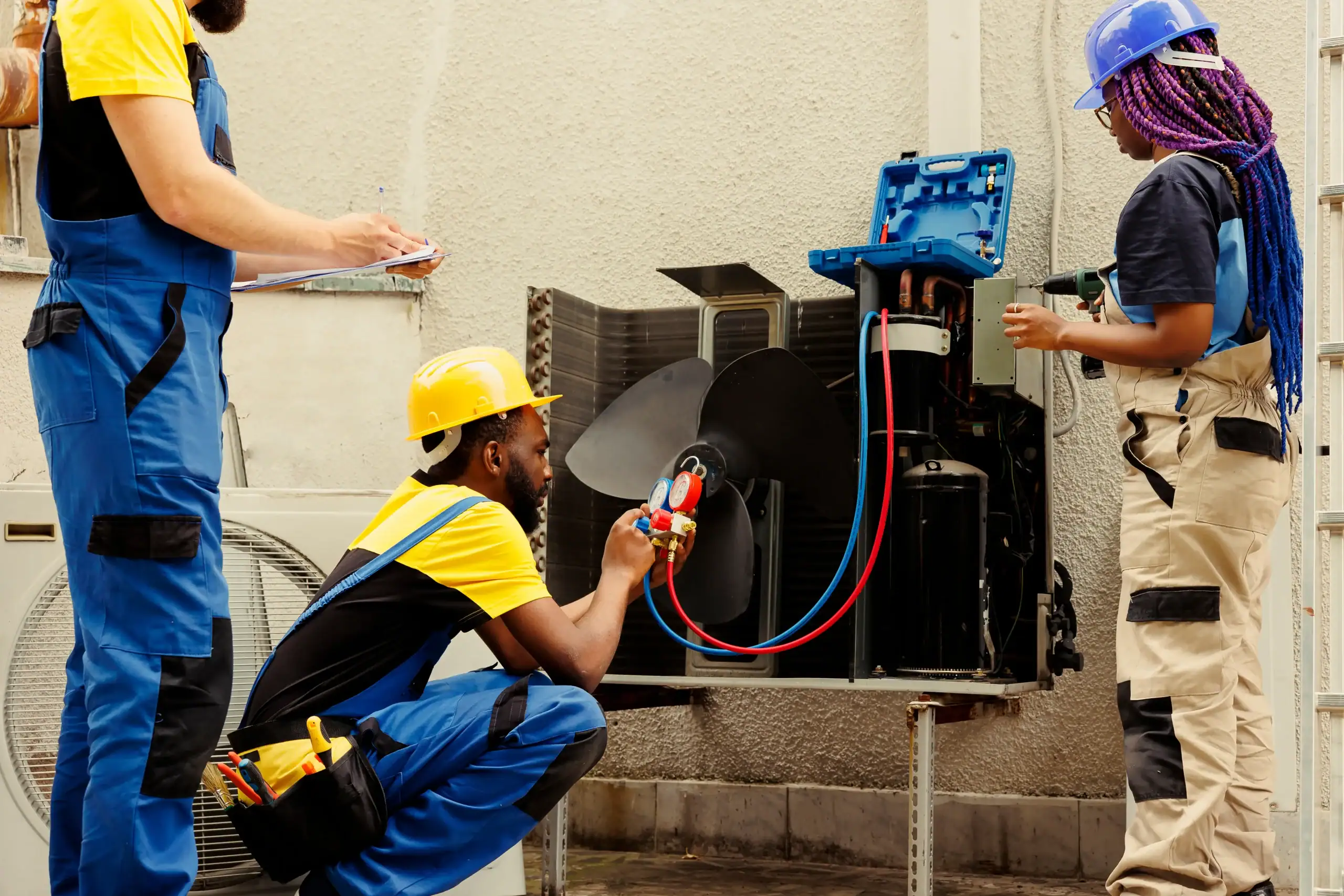
Our technician shows up in a marked vehicle with the tools and parts most repairs need. They’ll diagnose the problem, explain what’s wrong in plain terms, and give you a written estimate before doing any work. No surprise charges. No upselling unless your system genuinely needs it.
Once you approve the work, most repairs are done that same visit. We test everything before we leave, show you it’s working, and answer any questions you have. You get a warranty on parts and labor, and a follow-up call to make sure everything’s still running right.
If you need a full system replacement, we’ll walk you through your options based on your home’s size, your budget, and how long you plan to stay there. We install it, haul away the old unit, and make sure your new system is keeping up with Travis County summers before we call it done.
Ready to get started?
Every service call starts with a full system diagnostic. We’re checking refrigerant levels, airflow, electrical connections, and whether your thermostat is actually talking to your unit. In Travis County, where your AC runs 3,000+ hours a year, small issues become expensive failures fast.
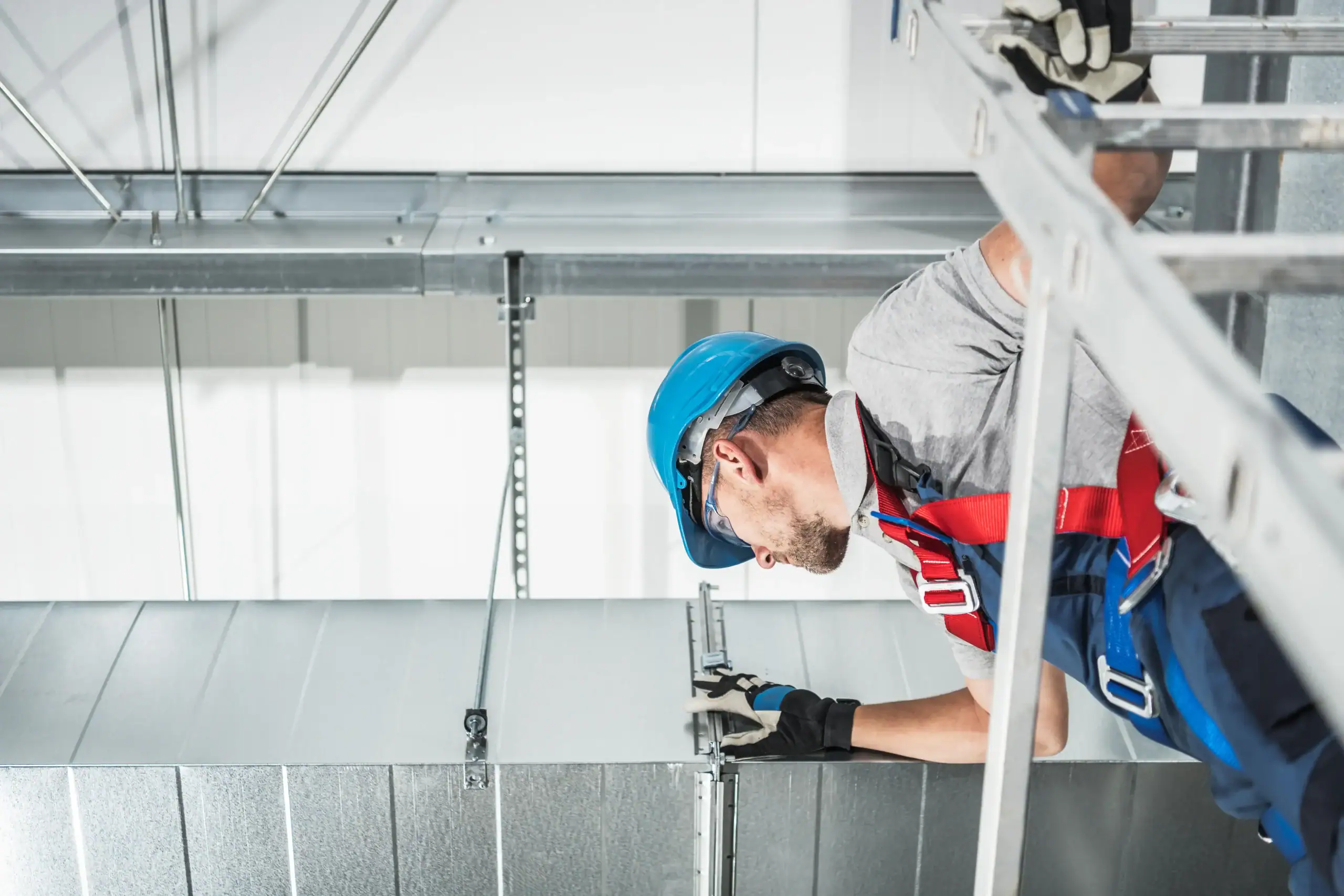
If you’re scheduling maintenance, we’re cleaning coils, replacing filters, checking ductwork for leaks, and making sure your system isn’t working twice as hard because of a $12 part. Austin’s dust and pollen load is brutal on HVAC systems, and most homeowners don’t realize their filters are clogged until their energy bill jumps 20%.
For installations, we’re sizing your system correctly based on your square footage, insulation, and how much sun hits your roof. An oversized unit won’t dehumidify properly. An undersized unit will run nonstop and still leave you hot. We also handle indoor air quality—duct cleaning, humidity control, and air purifiers—because Travis County’s allergens are year-round, not seasonal.
Emergency repairs get priority. If your heat goes out in January or your AC dies in August, we’re not making you wait three days. You’ll get a licensed technician who can handle the repair that night or first thing the next morning.

Most AC repairs in Travis County run between $150 and $600, depending on what’s broken. A capacitor replacement might cost $150 to $250. A refrigerant recharge could be $300 to $500. If your compressor failed, you’re looking at $1,200 to $2,500, and at that point, replacement often makes more sense if your system is over 10 years old.
We give you a written estimate before we start any work, so you know exactly what you’re paying. No diagnostic fee that disappears into the final bill. No “we’ll know more once we open it up” without telling you the cost first.
The real cost comes from waiting. A small refrigerant leak that costs $400 to fix today becomes a $2,000 compressor replacement in six months when your system runs low and burns out. Austin’s heat doesn’t give your AC a break, so small problems accelerate fast.
Twice a year—once before cooling season in April, once before heating season in October. Austin’s extended summers mean your AC is working harder and longer than systems in most of the country. Skipping maintenance is like driving 30,000 miles without an oil change.
During a maintenance visit, we’re catching the issues that cause breakdowns. Dirty coils reduce efficiency by 30%. A failing capacitor will strand you without AC on a 103-degree day. A clogged drain line will flood your house. All of these are preventable if you’re staying ahead of them.
Most homeowners spend $150 to $200 per visit for maintenance. That’s cheaper than a single emergency repair call, and it keeps your system running efficiently. You’ll also see it in your energy bills—a well-maintained system uses 15% to 20% less electricity than one that’s been ignored for three years.
It depends on your square footage, insulation, windows, and how much direct sun your house gets. A 1,500-square-foot home typically needs a 2.5 to 3-ton unit. A 2,500-square-foot home usually needs 4 to 5 tons. But those are rough estimates—your actual needs could be different.
An oversized system will cool your house fast but won’t run long enough to remove humidity. You’ll feel cold and clammy. An undersized system will run constantly and never quite get your house to the temperature you set. Both scenarios waste energy and wear out your equipment faster.
We do a Manual J load calculation before recommending a system size. That accounts for your home’s specific conditions, not just square footage. In Travis County, where you’re cooling against 100-degree heat for months at a time, getting the sizing right matters more than in milder climates. The wrong size will cost you hundreds extra per year in energy bills and shorten your system’s lifespan by years.
Most AC units in Austin last 10 to 15 years, which is shorter than the national average of 15 to 20 years. The reason is simple—your system runs twice as many hours per year as one in a milder climate. More runtime means more wear.
If your system is over 12 years old and needs a major repair like a compressor or evaporator coil, replacement usually makes more financial sense. New units are significantly more efficient—a 10-year-old system might have a SEER rating of 10 or 12, while new systems start at 14 and go up to 20+. That efficiency difference can cut your cooling costs by 30% to 40%.
You can extend your system’s life with regular maintenance, but there’s a point where you’re just delaying the inevitable. If you’re repairing something every summer, your system is telling you it’s done. We’ll give you an honest assessment of whether repair or replacement makes sense based on your system’s age, condition, and what the repair costs.
Yes. We’re available 24/7 for emergency heating and cooling services in Travis County. When your AC dies at 10 PM and it’s still 95 degrees outside, or your heat goes out on one of Austin’s rare freezing nights, you’re not waiting until Monday morning.
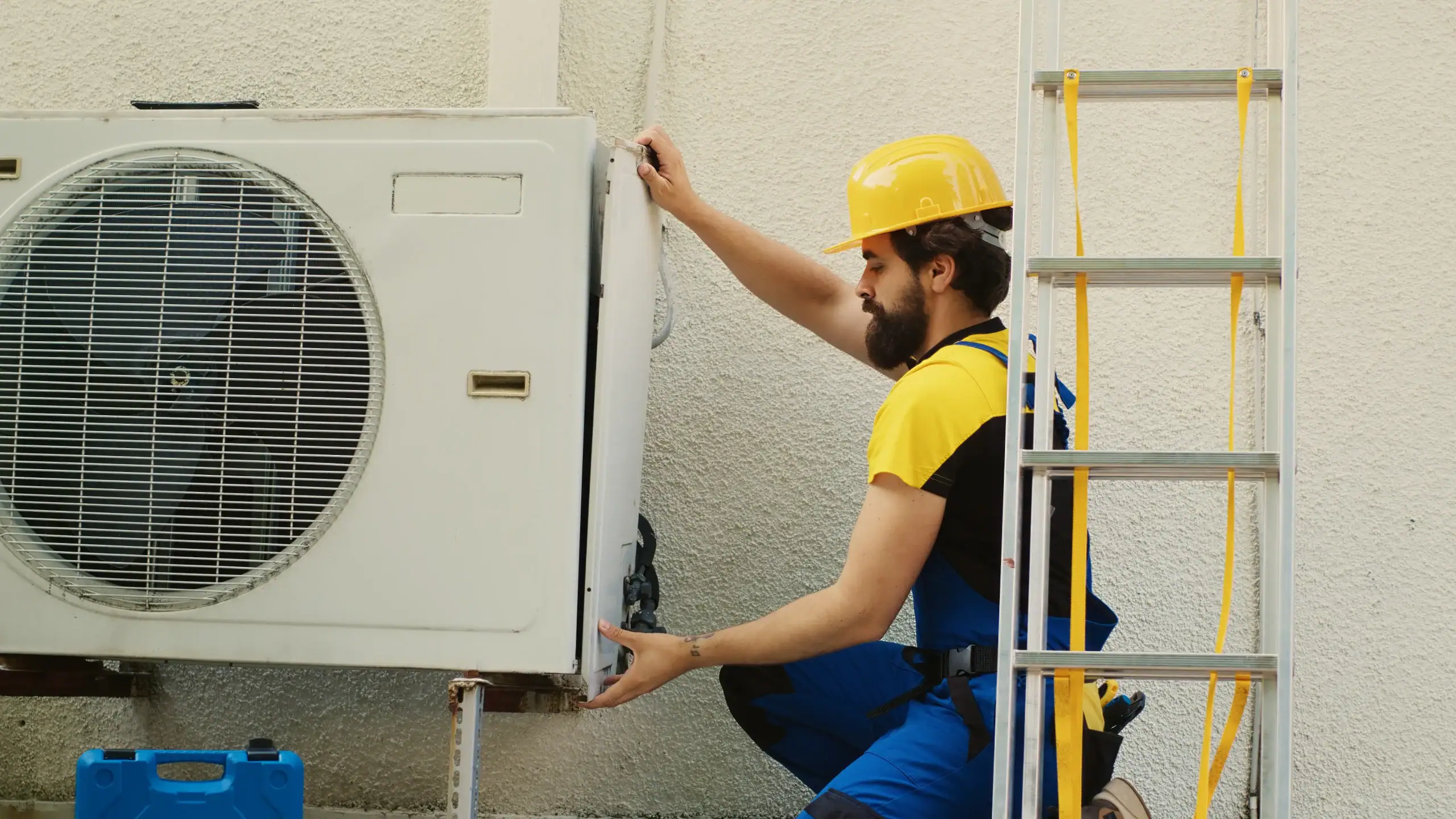
Emergency calls get priority dispatch. In most cases, we’ll have a licensed technician at your house within a few hours. They’ll have the tools and common parts needed to get your system running that same visit. If it’s something unusual that requires ordering a part, we’ll at least get you temporary cooling or heating so you’re not suffering overnight.
Emergency service does cost more than a regular appointment—that’s standard across the industry because you’re paying for after-hours availability. But we’re upfront about pricing before we dispatch, and we don’t tack on hidden fees once we’re there. You’ll know what the call costs and what the repair costs before any work starts.
A cheap HVAC contractor quotes you a low price, shows up when they feel like it, doesn’t diagnose the actual problem, and disappears when the repair fails two weeks later. A good local HVAC service provider charges a fair price, shows up on time, fixes what’s actually broken, and stands behind their work.
You’ll see the difference in how they diagnose issues. A cheap contractor replaces parts until something works. A good contractor tests the system, identifies the root cause, and fixes that. One approach costs you $200 now and $500 later. The other costs you $400 once and you’re done.
You’ll also see it in licensing and insurance. Texas requires HVAC contractors to be licensed, but not everyone follows that rule. If an unlicensed technician damages your system or gets hurt on your property, you’re liable. A licensed, insured contractor protects you from that risk. We carry full licensing and insurance because it’s the right way to operate, and it’s what you deserve when you’re trusting someone with a $10,000 system in your home.
Other Services we provide in Travis
 Call Now