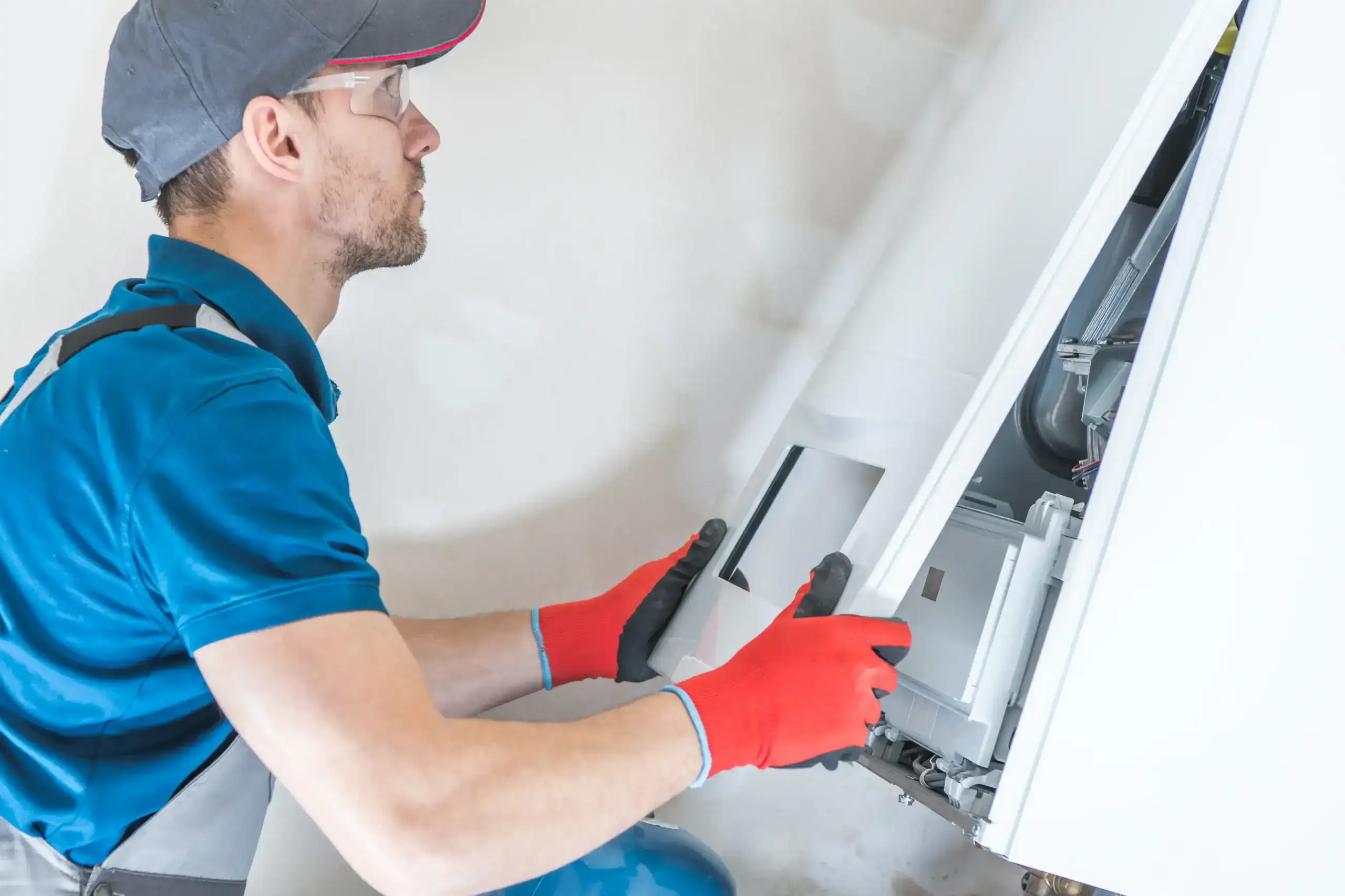
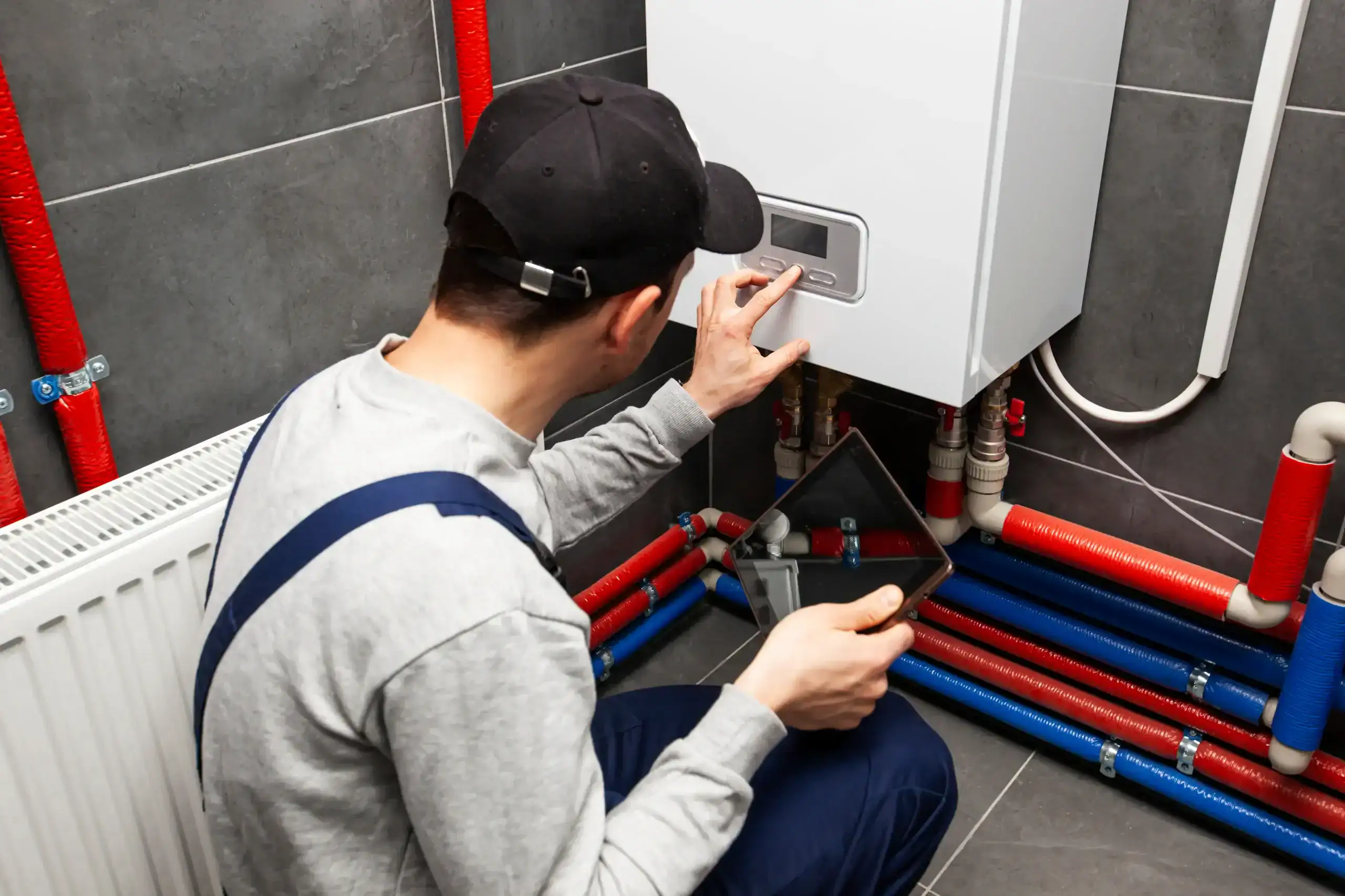
Austin weather doesn’t ease you into winter. Temperatures drop 40 degrees overnight, and suddenly your furnace that’s been sitting idle since March decides not to fire up. You’re stuck at 2 AM with a house dropping into the 50s and kids who can’t sleep.
That’s when you need HVAC heating repair in Travis, TX that actually answers the phone. Our technicians arrive with the parts most systems need already loaded in the truck. Blower motors, igniters, thermocouples, gas valves—the components that fail after months of sitting dormant in Austin’s humidity.
Most repairs get completed the same day. You’re not waiting three days for a part to ship while your family bundles up indoors. The furnace gets diagnosed, fixed, and tested before we leave. You get heat back and a clear explanation of what failed and why.
We’ve spent over 20 years handling residential heating repair in Travis, TX. We’re veteran-owned, which means we show up on time, communicate clearly, and don’t leave until the job’s done right.
Austin’s climate is tough on heating systems. High humidity corrodes gas valves and pilot assemblies faster than in drier climates. Furnaces sit unused for eight months, then get asked to fire up instantly when a cold snap hits. We’ve seen every failure pattern this environment creates.
Our technicians are licensed, insured, and trained specifically on how Central Texas weather stresses HVAC systems. We’re not learning on your equipment. We’re fixing it with experience that comes from thousands of service calls across Travis County.
You call or submit a request online. We ask a few questions about what’s happening—no heat at all, weak airflow, strange noises, pilot light issues. This helps us know what parts to bring.
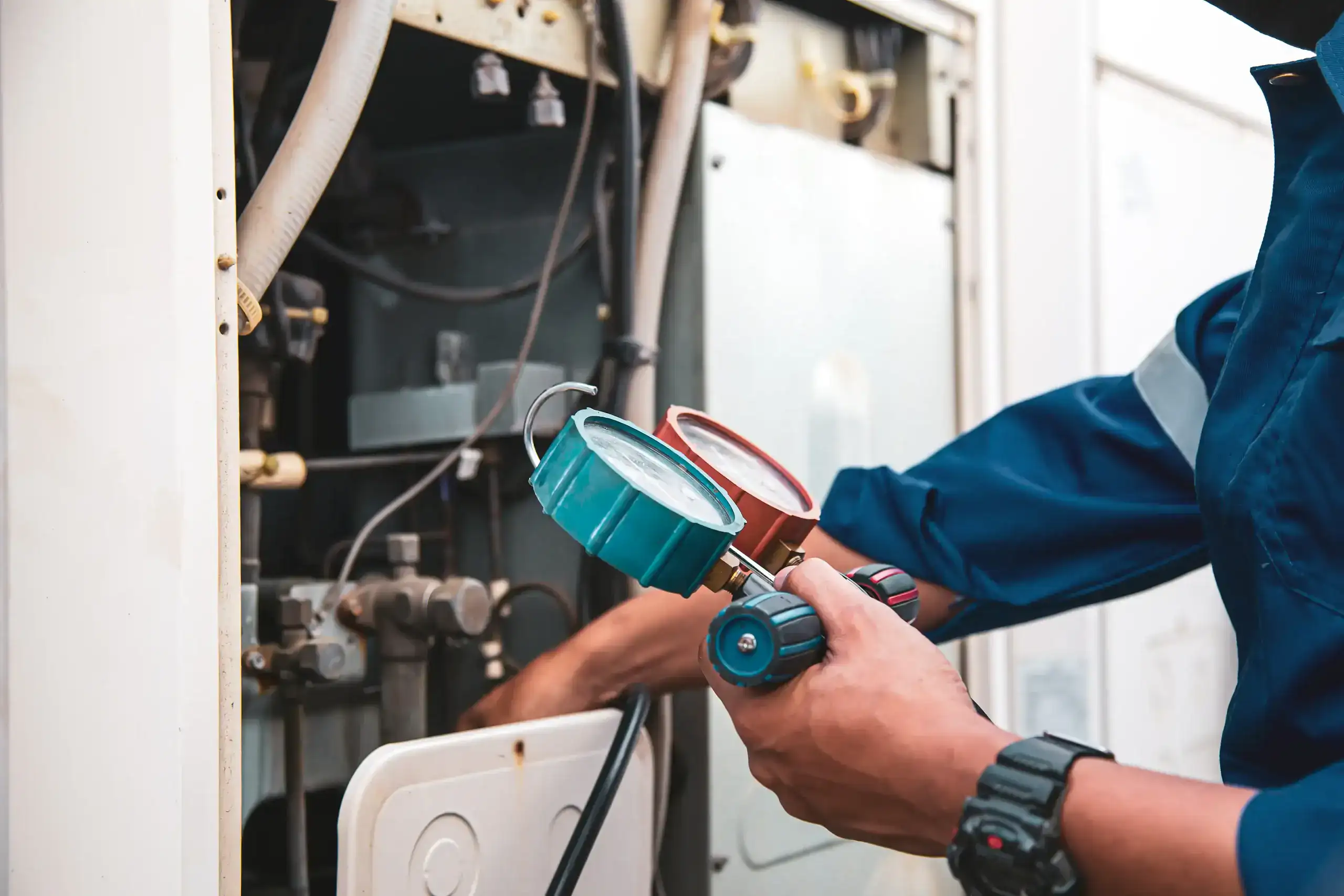
A licensed technician arrives within hours for emergencies, same day for standard calls. They run a full diagnostic on your furnace or heat pump. Thermostat, ignition system, blower motor, gas valve, heat exchanger—every component gets checked. You get a clear explanation of what’s broken and what it costs to fix before any work starts.
Once you approve, the repair happens. Most jobs finish in one visit because we stock common parts. After the fix, we test the system through a full heating cycle to confirm it’s running properly. You get documentation of what was done and recommendations for preventing the next breakdown.
If your system is old enough that repair costs approach half the replacement value, we’ll tell you. Sometimes fixing it makes sense. Sometimes it doesn’t. You’ll know either way.
Ready to get started?
Every heating repair in Travis, TX starts with a complete system diagnostic. We’re not guessing at the problem or replacing parts until something works. Thermostats, electrical connections, gas pressure, airflow, safety controls—everything gets tested to pinpoint the actual failure.
Common repairs include replacing failed igniters that won’t light the burners, swapping out blower motors that seized after sitting idle, fixing gas valves corroded by Austin’s humidity, and replacing thermocouples that can’t hold a pilot light. We also handle flame sensor cleaning, circuit board replacement, and heat exchanger inspections for cracks that create carbon monoxide risks.
Travis County homes face specific challenges. The 2021 freeze showed how quickly temperatures can drop and how long systems might need to run continuously. Your furnace needs to handle both mild 50-degree nights and occasional hard freezes in the 20s. We make sure it can do both.
You also get guidance on whether repair makes financial sense. If your 18-year-old furnace needs a $1,200 repair, we’ll explain why replacement might be smarter. If your 6-year-old system just needs a $300 part, we’ll fix it and keep it running for years. The goal is making the right call for your situation, not selling you equipment you don’t need yet.
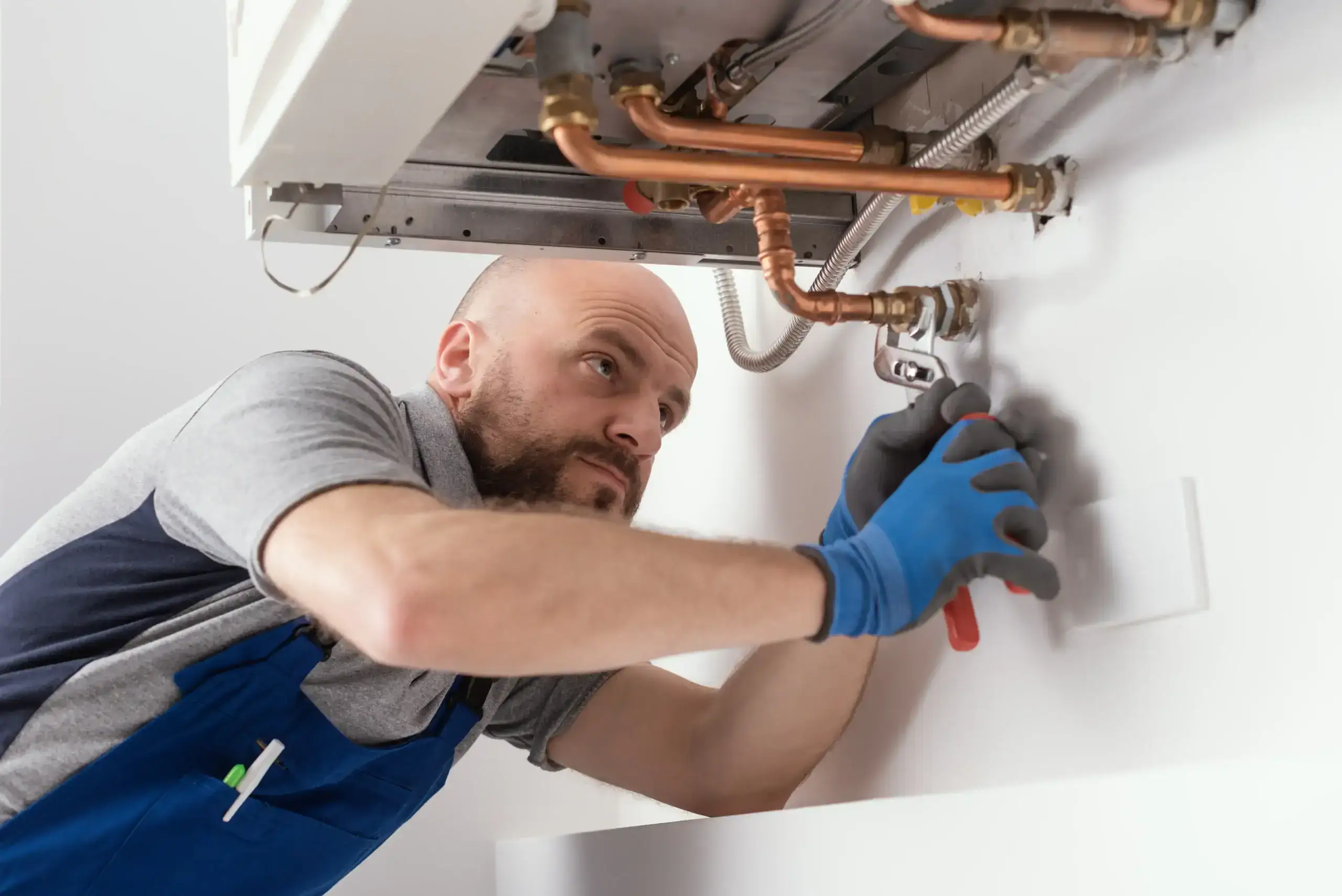
We offer 24/7 emergency service and typically arrive within a few hours of your call. When temperatures drop suddenly in Travis County, heating systems fail all at once and every HVAC company gets slammed. We prioritize emergencies based on severity—families with young children or elderly residents in homes dropping below 50 degrees get bumped to the front.
If we can’t get there within a few hours, we’ll tell you upfront instead of promising something we can’t deliver. We’ll also walk you through temporary measures like closing off rooms, using space heaters safely, or adjusting your thermostat to maximize whatever heat you’re still getting.
Most emergency calls happen between 10 PM and 6 AM because that’s when temperatures drop lowest and furnaces work hardest. Our technicians stay on call specifically for these situations. You’re not getting an answering service or a callback the next morning. You’re getting someone who can actually fix your furnace at 2 AM if that’s when it quits.
If your furnace is under 10 years old and the repair costs less than half what replacement would cost, fixing it usually makes sense. If it’s over 15 years old or the repair approaches 50% of replacement cost, you’re often better off replacing it.
Here’s the math that matters: a new furnace costs $3,000-$6,000 installed depending on size and efficiency. If your 16-year-old system needs a $2,000 heat exchanger replacement, you’re spending significant money on equipment that’s already near the end of its lifespan. Another component will likely fail within a year or two.
But if your 7-year-old furnace needs a $400 blower motor, that’s a straightforward repair that buys you another 8-10 years of service. We’ll walk you through the specific numbers for your situation. Age, repair cost, overall condition, and efficiency all factor in. Sometimes the right call is fixing it. Sometimes it’s replacing it. You’ll know which applies to your furnace before you spend a dollar.
Austin’s mild climate is actually hard on furnaces because they sit unused for 8-9 months, then get asked to fire up instantly when cold snaps hit. Components dry out, dust accumulates in burners, and moving parts seize from lack of use. Humidity also corrodes internal components faster than in drier climates.
If your furnace breaks down every season, it’s usually because small problems aren’t getting caught during preventive maintenance. A dirty flame sensor causes ignition failures. A weak capacitor makes the blower motor struggle. A clogged air filter restricts airflow and causes overheating. Each issue is minor on its own but causes a breakdown when temperatures drop and the system has to run continuously.
The fix is fall maintenance before heating season starts. A technician cleans the burners, tests the ignition system, checks electrical connections, lubricates moving parts, and replaces worn components before they fail. This catches problems while you still have time to address them on your schedule instead of during an emergency at midnight. Most repeat breakdowns disappear once the system gets proper annual maintenance.
You get a clear quote before any work starts. The price includes labor, parts, testing, and our warranty on the repair. No surprise charges when the job’s done. No hidden fees for after-hours service or weekend calls.
Here’s how it works: the technician diagnoses your furnace and identifies what’s broken. They explain what failed, why it failed, and what it costs to fix. You see the price for parts and labor as one number. If you approve, that’s what you pay. If the repair costs more than expected once we’re into the work, we stop and get your approval before continuing.
The only time pricing changes is if we find additional problems during the repair. For example, we’re replacing your blower motor and discover your heat exchanger has cracks that create a safety hazard. We’ll explain the new issue and what it costs to address. You decide whether to fix it, and you know the cost before we do the work. Everything stays transparent from diagnosis through completion.
Yes. We repair all residential heating systems including gas furnaces, electric furnaces, and heat pumps. Each system has different components and failure patterns, and our technicians are trained on all of them.
Gas furnaces are most common in Travis County and typically fail due to ignition problems, blower motor issues, or gas valve malfunctions. Heat pumps are becoming more popular and usually need refrigerant leak repairs, reversing valve replacement, or defrost control fixes. Electric furnaces are less common but require heating element and sequencer repairs when they break down.
The diagnostic process is the same regardless of system type. We test every component, identify what’s failed, and explain your options. If you have a heat pump that’s struggling in heating mode but works fine for cooling, we know to check the reversing valve and defrost cycle. If your gas furnace lights but won’t stay on, we’re testing the flame sensor and thermocouple. You get technicians who understand how your specific system works and what typically fails in Austin’s climate.
Yes. If your furnace or heat pump is beyond repair and replacement makes more sense, we’ll walk you through available rebates and tax credits. Austin Energy offers rebates for high-efficiency systems, and federal tax credits cover up to 30% of equipment and installation costs for qualifying systems.
The rebate process can be confusing because requirements change based on efficiency ratings, system type, and installation details. We handle the paperwork and make sure your new system qualifies before installation. This includes confirming SEER ratings for heat pumps, AFUE ratings for furnaces, and proper sizing for your home.
Most homeowners don’t realize how much these incentives reduce the actual cost. A $5,000 heat pump installation might cost $3,200 after rebates and tax credits. That changes the math significantly when you’re deciding between an expensive repair on an old system versus replacement with a new efficient one. We’ll show you the real out-of-pocket numbers so you can make an informed decision about what makes financial sense for your situation.
Other Services we provide in Travis
 Call Now