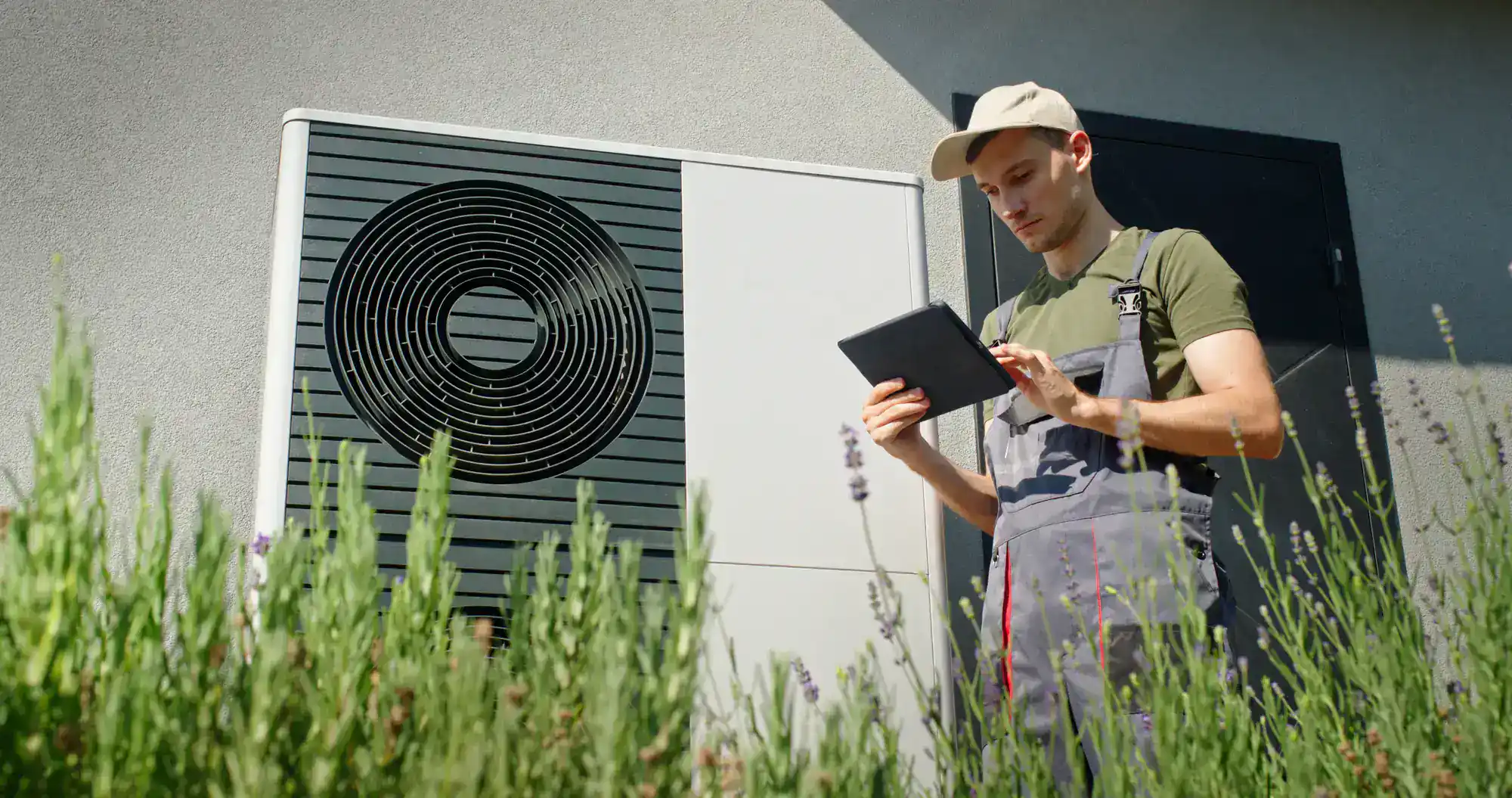
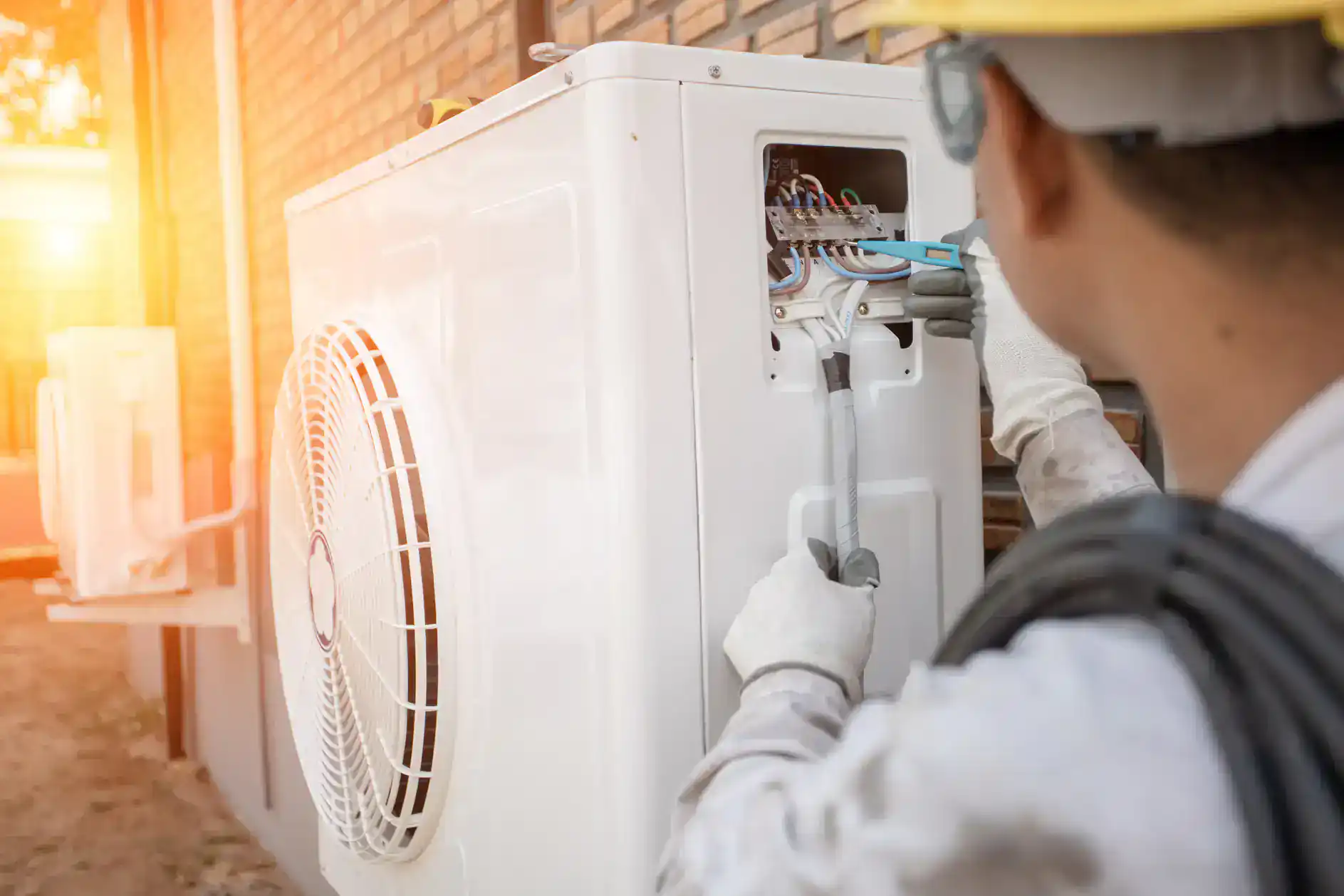
You stop juggling two separate systems and start using one that does both jobs better. Heat pumps move heat instead of generating it, which means they use 2-3 times less electricity than traditional HVAC setups. In Travis County, where temperatures swing from 100-degree summers to surprise winter freezes, that efficiency matters on every utility bill.
Most homeowners see the investment pay itself back within 3-5 years. After that, the savings keep coming for the 15+ year lifespan of the system. You’re not just cutting costs either—you’re getting more consistent temperatures, better humidity control, and quieter operation than older furnaces and AC units provide.
The federal government currently offers up to $2,000 in tax credits for qualifying heat pump installations. Austin Energy also runs rebate programs that can reduce your upfront costs even further. Between the incentives and the monthly savings, the math works in your favor from day one.
We’re a veteran-owned HVAC company that’s been handling heating and cooling across San Antonio, Houston, and Austin since before heat pumps became mainstream. We’ve installed hundreds of systems in Travis County homes, so we know exactly how Austin’s climate affects performance and what sizing works for different neighborhoods.
Our technicians are factory-certified and licensed, not just trained on generic HVAC basics. When you call us, you’re getting someone who understands how cedar pollen clogs filters, why proper duct sizing matters for heat pump efficiency, and what backup heating makes sense for those rare hard freezes. We also offer 24/7 emergency service, because we know HVAC problems don’t wait for business hours.
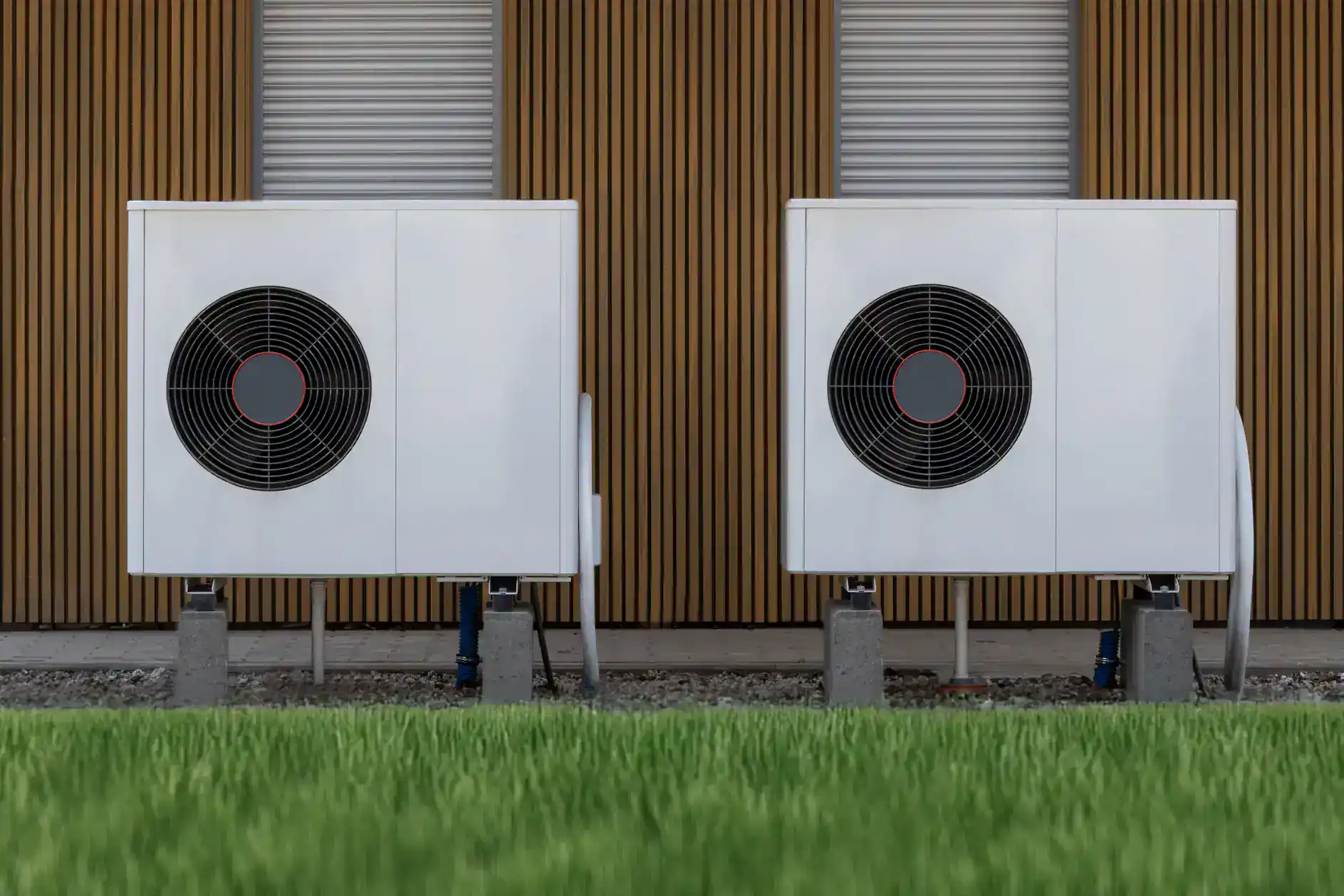
First, we come out to assess your home and current ductwork. Heat pumps need proper airflow to work efficiently, so we measure your ducts and check if modifications are needed. Most Travis County homes built in the last 20 years have ducts that work fine with minimal adjustments. We also calculate the right system size based on your square footage, insulation, and how your home is laid out.
Once you approve the quote, we schedule installation—usually completed in one day for standard residential setups. We remove your old equipment, install the new heat pump and air handler, connect everything to your existing ductwork, and test the system under load. Before we leave, we walk you through the thermostat settings and explain how to maintain your new system.
After installation, we recommend annual maintenance visits to keep your heat pump running at peak efficiency. Regular filter changes and coil cleaning prevent the performance drops that cost you money over time. We also handle any warranty service if issues come up, so you’re not dealing with manufacturer runarounds on your own.
Ready to get started?
Your heat pump system installation includes the outdoor unit, indoor air handler, refrigerant lines, electrical connections, thermostat setup, and startup testing. We also handle all permits required by Travis County and ensure the installation meets Austin’s minimum efficiency standards—SEER2 of 14.3 and HSPF2 of 7.5.
In Travis County specifically, we account for the temperature swings between day and night that stress HVAC systems. We install auxiliary electric heating strips for backup during the occasional hard freeze, so you’re never left without heat when temperatures drop below what the heat pump can handle efficiently. This hybrid approach gives you the best of both worlds—maximum efficiency most of the year with reliable backup when needed.
We also inspect and seal your ductwork during installation. Austin’s high pollen counts and traffic pollution mean leaky ducts don’t just waste energy—they pull in outdoor contaminants that affect your indoor air quality. Proper sealing keeps your system efficient and your air cleaner, which matters when cedar season hits or when wildfire smoke drifts into the area.
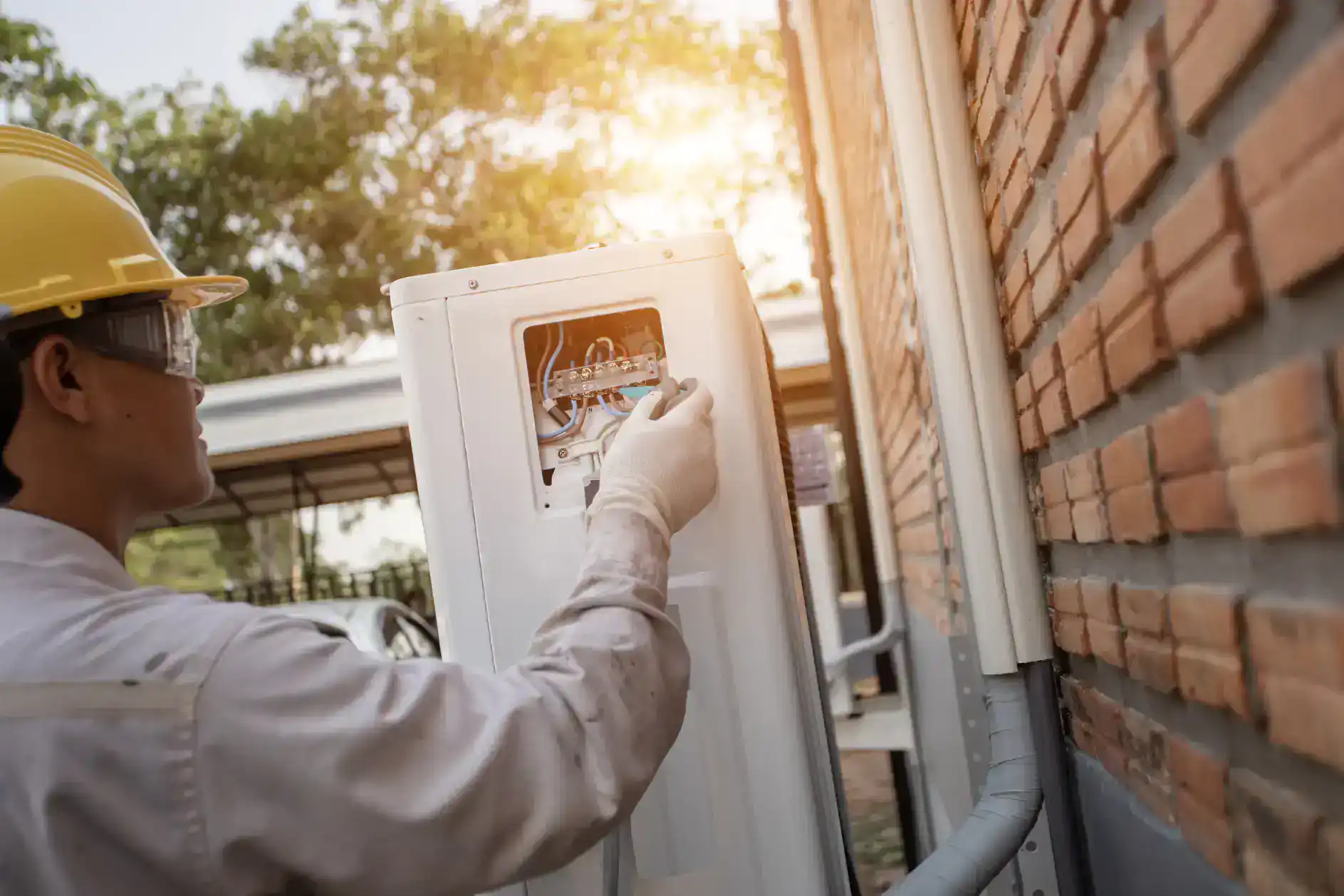
Heat pump installation in Travis County typically runs between $6,000 and $8,000 for a standard 3-ton system, which covers most homes between 1,500 and 2,000 square feet. That price includes the equipment, labor, permits, and startup. Larger homes or properties needing ductwork modifications will cost more, while smaller systems or homes with newer ducts may come in lower.
Federal tax credits can reduce your out-of-pocket cost by up to $2,000, and Austin Energy periodically offers rebates that stack on top of that. If your household income qualifies, you might be eligible for additional rebates—roughly one-third of Texas households qualify for the full federal rebate amount. We help you navigate those programs so you’re not leaving money on the table.
The real cost question isn’t just installation—it’s what you’ll save monthly. Most Travis County homeowners see their energy bills drop 20-70% compared to running separate heating and cooling systems. At current Austin electricity rates, that often means $100+ in monthly savings during peak summer and winter months, which adds up to thousands over the system’s lifespan.
Yes, modern heat pumps work excellently in Travis County winters, which are mild most of the time. Heat pumps operate efficiently down to about 40 degrees, and Austin’s average winter low sits around 42 degrees. Even during colder snaps, heat pumps continue working—they just become less efficient as temperatures drop, which is why we install auxiliary electric heating as backup.
When temperatures dip into the 20s or teens during rare winter storms, the auxiliary heat kicks in automatically. You stay warm without thinking about it. This hybrid setup gives you the efficiency of a heat pump 95% of the year while ensuring you’re never uncomfortable during the occasional hard freeze that hits Travis County.
The key is proper installation and sizing. An undersized heat pump will struggle even in mild cold, while an oversized unit will short cycle and waste energy. We calculate the right size based on your home’s specific heating and cooling loads, not just square footage, so your system performs well in both July heat and January cold fronts.
Most heat pump installations in Travis County homes take one full day, typically 6-8 hours from start to finish. That assumes your existing ductwork is in good shape and doesn’t need major modifications. If we need to resize ducts, add returns, or make electrical panel upgrades, installation might extend into a second day.
We start by removing your old equipment and prepping the installation areas. The outdoor unit gets mounted on a concrete pad or secured to your existing pad, while the indoor air handler replaces your old furnace or air handler. We run new refrigerant lines if needed, make all electrical connections, install your thermostat, and then test everything under actual operating conditions before we leave.
You’ll have heating and cooling the same day we start in most cases. We don’t leave your home without climate control, even if we run into unexpected issues. If something takes longer than planned, we bring in additional crew or equipment to finish the job rather than leaving you without HVAC overnight.
Most Travis County homes built after 2000 have ductwork that accommodates heat pumps with minimal modifications. Heat pumps move more air at lower temperatures than furnaces, so they need adequate duct sizing to maintain efficiency. During our initial assessment, we measure your ducts and calculate airflow to determine if modifications are needed.
Common adjustments include adding return vents, sealing leaky joints, or upsizing a few trunk lines. These modifications aren’t always necessary, but when they are, they significantly improve system performance and comfort. Proper airflow prevents hot and cold spots, reduces noise, and ensures you’re getting the efficiency you paid for.
If your ductwork is undersized or in poor condition, we’ll give you options. Sometimes strategic modifications work fine. Other times, replacing sections makes more sense than trying to force a new system to work with inadequate ducts. We’re transparent about what your home needs and why, so you can make an informed decision rather than discovering problems after installation.
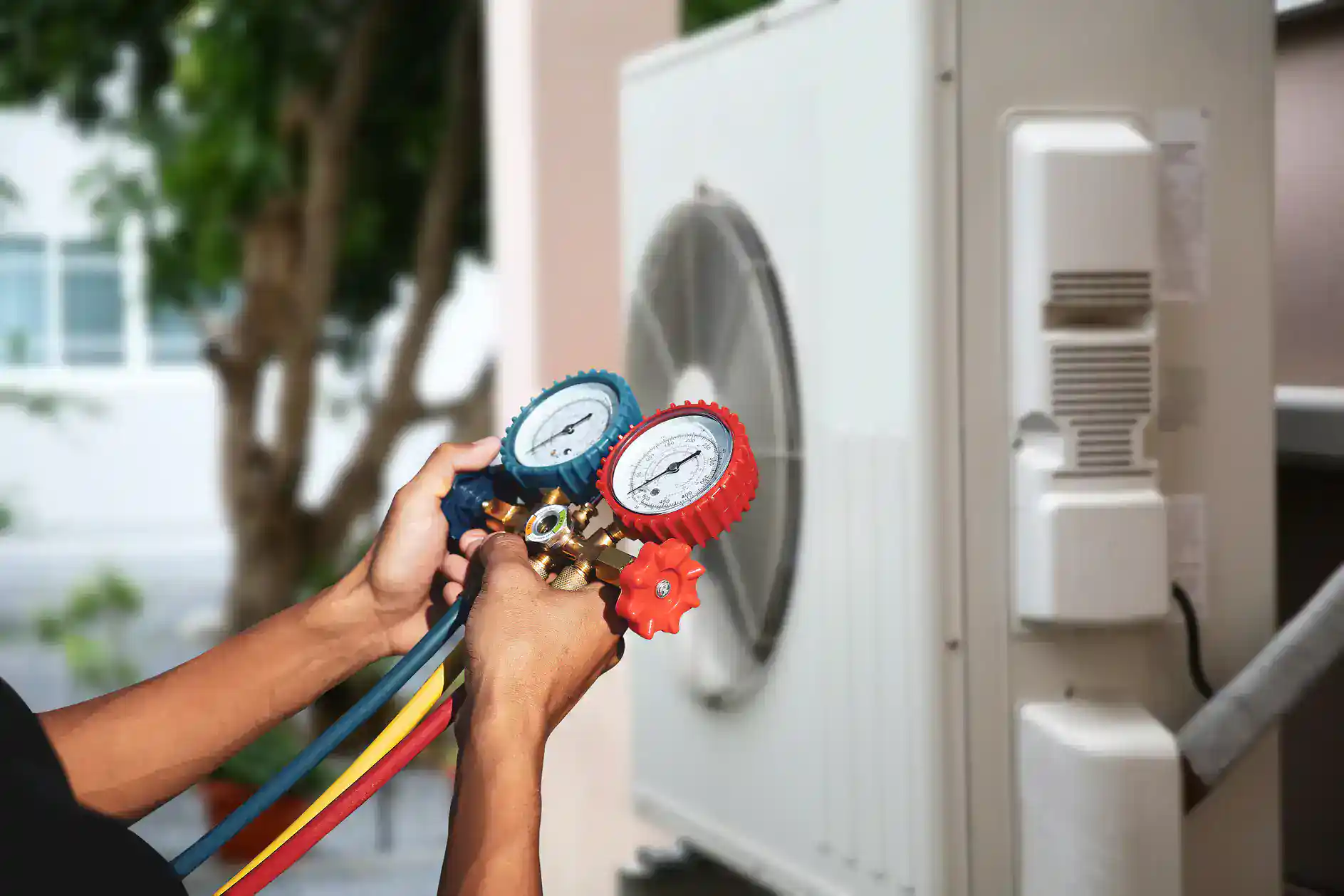
Heat pumps need filter changes every 1-3 months depending on usage and Austin’s pollen levels, plus annual professional maintenance to stay efficient. During maintenance visits, we clean the outdoor coil, check refrigerant levels, test electrical connections, lubricate moving parts, and verify the system is operating at manufacturer specifications.
Travis County’s environment is tough on HVAC systems. Cedar pollen in winter and spring clogs filters fast, while summer dust and pollution coat outdoor coils. Regular cleaning prevents the efficiency losses that cost you money—a dirty coil can reduce efficiency by 20-30%, which shows up immediately on your utility bill.
Most manufacturers require annual maintenance to keep warranties valid, so skipping service can cost you if something breaks. We offer maintenance plans that include priority scheduling, discounted repairs, and automatic reminders so you’re not trying to remember when your system was last serviced. Consistent maintenance extends your heat pump’s lifespan from 15 years to potentially 20+ years, which maximizes your return on investment.
Yes, federal tax credits currently offer up to $2,000 for qualifying heat pump installations, covering 30% of the equipment and installation cost. Austin Energy also runs rebate programs for high-efficiency systems, though availability and amounts change periodically. We stay updated on current programs and help you navigate the application process.
Texas hasn’t yet filed for the federal home energy rebate funding that could provide up to $8,000 for qualifying households, but that program may become available. Income-based rebates could cover significant portions of installation costs for eligible homeowners—roughly one-third of Texas households qualify based on income thresholds.
The key with rebates is timing and documentation. Some programs require pre-approval before installation, while others allow retroactive applications. We handle the paperwork and ensure your installation meets all program requirements so your rebate doesn’t get denied over technicalities. Between federal credits, local rebates, and monthly energy savings, the financial case for heat pump installation in Travis County is stronger now than it’s ever been.
Other Services we provide in Travis
 Call Now