
Your old system is costing you more than you think. Every month it runs past its prime, you’re paying for inefficiency—higher electric bills, uneven cooling, and that constant worry about when it’ll finally give out.
Modern AC systems with SEER ratings of 16 or higher can cut your cooling costs by up to 40%. That’s real money back in your pocket, month after month. You’ll also notice the difference in comfort—no more hot spots in the back bedrooms, no more fighting over the thermostat, and no more humidity that makes your house feel like a swamp even when the AC is running.
The right air conditioning replacement in Travis, TX does more than cool your home. It gives you predictable energy bills, consistent temperatures in every room, and the peace of mind that comes from knowing your family won’t be sweating through an emergency breakdown when Austin hits 105 degrees in August.
We’ve been handling AC system replacement in Travis, TX and across the Austin metro for over 20 years. We’re veteran-owned, which means we show up on time, do what we say we’ll do, and treat your home like it’s our own.
We’re not the guys who try to upsell you on features you don’t need. We size your system correctly, explain your options in plain English, and give you honest pricing upfront. No games, no pressure, no surprises when the invoice shows up.
Austin’s climate is tough on HVAC systems. We’ve been working in this heat since day one, and we know exactly what it takes to keep Travis County homes comfortable when the temperature doesn’t drop below 90 for weeks at a time.

We start with an honest assessment of your home. That means looking at square footage, insulation, ductwork condition, and how your current system has been performing. Proper sizing matters—an oversized unit will cool too fast and leave you with humidity problems, while an undersized system will run constantly and never quite get the job done.
Once we know what your home actually needs, we walk you through your options. We’ll explain the difference between SEER ratings, show you what rebates and tax credits you qualify for, and help you understand the real return on investment for different efficiency levels. You’ll know exactly what you’re getting and why it makes sense for your situation.
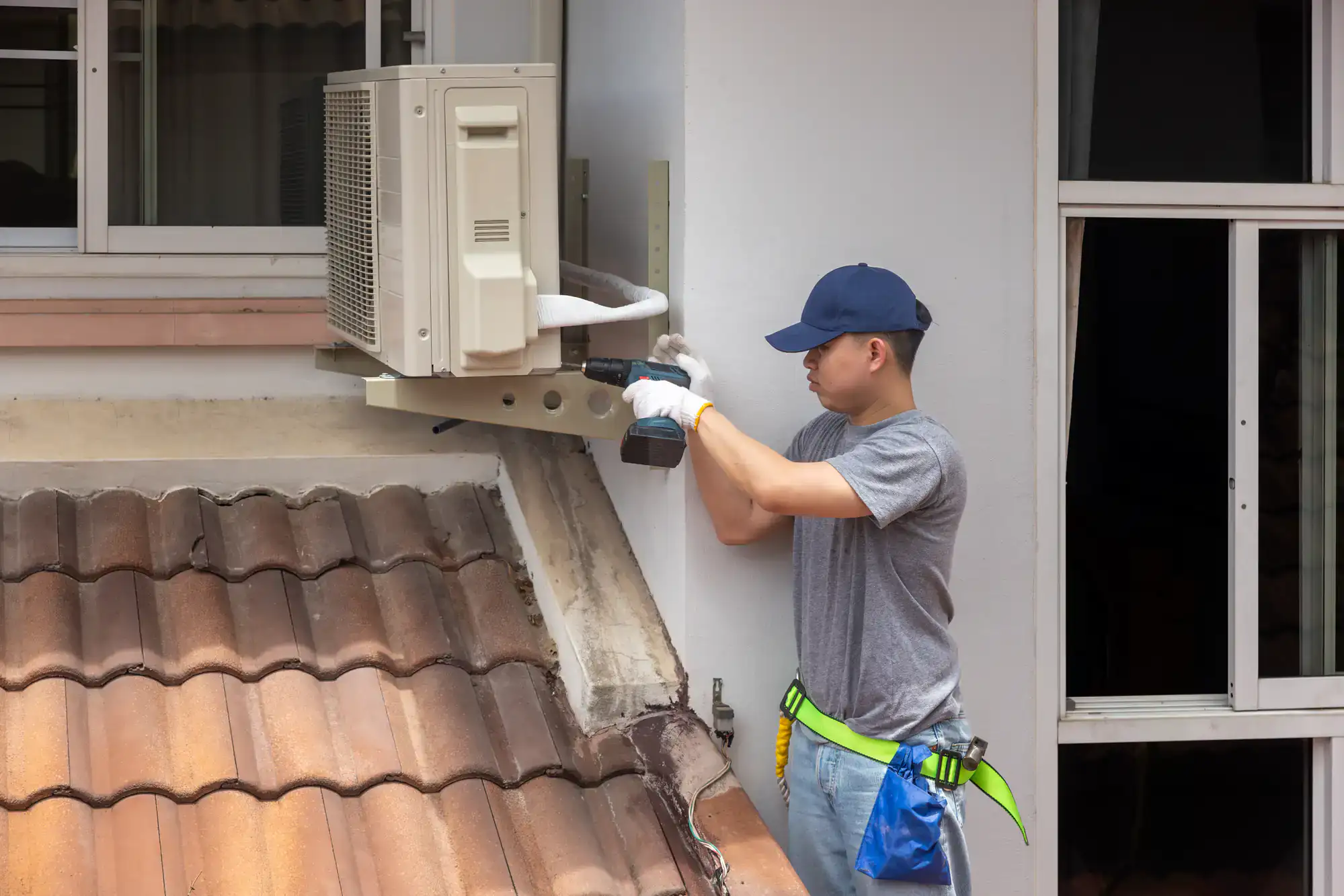
Installation day, we pull the old system, check and seal your ductwork if needed, install the new unit, and test everything to make sure it’s running right. We don’t leave until your home is cooling the way it should. And if something comes up after we’re gone, we’re available 24/7 for emergency service across the Austin area.
Ready to get started?
AC replacement in Travis, TX isn’t just about dropping in a new unit. You’re getting a complete system that’s matched to your home’s specific cooling load. That includes the outdoor condenser, indoor air handler or furnace, refrigerant lines, thermostat, and any ductwork modifications needed to ensure proper airflow.
We also handle the permitting and inspection process required by Travis County. Your new system will be installed to code, which protects you if you ever sell your home and ensures everything is safe and efficient from day one.
Austin Energy offers rebates for high-efficiency systems, and the federal government provides tax credits worth 30% of the cost for units with SEER2 ratings of 16 or higher. We’ll help you navigate those programs so you’re not leaving money on the table. With Austin’s long cooling season—often running from April through October—the energy savings from a modern system add up fast.
Indoor air quality improvement in Travis, TX is another consideration. If you’re dealing with allergies, dust, or humidity issues, we can integrate air purification, dehumidification, and filtration upgrades during the installation process.
Most homeowners in Travis County spend between $4,000 and $10,000 for a complete AC system replacement, with premium high-efficiency systems running over $12,000. The final cost depends on the size of your home, the SEER rating you choose, whether your ductwork needs work, and what brand and features make sense for your situation.
Higher SEER ratings cost more upfront but save you significantly on energy bills. In Austin’s climate, where your AC runs hard for six months straight, a SEER 18 system versus a SEER 14 can mean hundreds of dollars in annual savings. When you factor in the 30% federal tax credit available for qualifying high-efficiency systems, the math often favors going with better equipment.
We give you transparent pricing before any work starts. You’ll see exactly what you’re paying for—equipment, labor, permits, and any additional work like duct sealing or thermostat upgrades. No hidden fees, no surprise charges after the fact.
If your system is over 15 years old and needs a major repair—like a compressor or coil replacement—you’re usually better off replacing the whole thing. Older systems use R-22 refrigerant, which is expensive and being phased out, and they’re far less efficient than modern units.
Rising energy bills are another red flag. If your cooling costs have been creeping up even though you haven’t changed how you use the AC, your system is losing efficiency. At a certain point, you’re just throwing money away every month instead of investing it in new equipment that will actually save you money.
Frequent breakdowns, uneven cooling, excessive noise, and humidity problems that won’t go away are all signs your system is on its last legs. We’ll give you an honest assessment. If a repair makes sense, we’ll tell you. If you’re just delaying the inevitable and wasting money, we’ll tell you that too.
For Austin’s climate, we typically recommend SEER ratings of 16 or higher. That’s the threshold for federal tax credits, and it’s also where you start seeing real energy savings that justify the upfront cost. Systems in the 16-18 SEER range offer a solid balance between efficiency and price.
If you want maximum efficiency and your budget allows it, SEER ratings up to 24.5 are available. These systems use variable-speed compressors that adjust cooling output based on demand, which saves energy and provides better humidity control. In a climate where your AC runs constantly for months, that technology makes a noticeable difference in both comfort and cost.
The minimum SEER rating for new systems in Texas is 15 as of 2023, but going with the bare minimum means you’re missing out on rebates, tax credits, and long-term savings. We’ll run the numbers with you so you can see what different efficiency levels actually mean for your monthly bills and total cost of ownership.
Most residential AC replacements take one full day, though larger homes or jobs that require ductwork modifications can take two days. We’re not rushing through the job—proper installation matters more than speed, and cutting corners leads to problems down the road.
The process includes removing your old system, installing the new outdoor condenser and indoor unit, running or replacing refrigerant lines, connecting and testing the thermostat, checking airflow and refrigerant charge, and making sure everything is sealed and operating correctly. If we’re also sealing ducts or upgrading your indoor air quality equipment, that adds time but ensures you’re getting the full benefit of your new system.
We’ll give you a clear timeline before we start, and we’ll let you know immediately if we run into anything unexpected. Most of the time, you’ll have cool air by the end of the day. And if we’re working on your system during peak summer heat, we’ll do everything we can to minimize the time you’re without AC.
Yes. We offer 24/7 emergency service across the Austin metro area, and we understand that AC failures don’t wait for convenient times. If your system dies in the middle of a heat wave and you need it replaced immediately, we’ll prioritize your job and get you back up and running as fast as possible.
That said, emergency replacements during peak summer often come with longer wait times and higher costs because demand is through the roof and supply can be tight. If you’re seeing warning signs—rising bills, frequent repairs, inconsistent cooling—don’t wait until it fails completely. Replacing your system in spring or early summer gives you more options, better availability, and often better pricing.
We keep our trucks stocked with common parts and our warehouse stocked with popular system sizes, which helps us move faster when you need urgent help. And because we’ve been serving Travis County for over 20 years, we know the local suppliers and can source equipment quickly even when things get busy.
The federal government offers a tax credit worth 30% of the total cost for qualifying high-efficiency systems with a SEER2 rating of 16 or higher. There’s no cap on that credit for 2024 and 2025, which means if you’re installing a $10,000 system, you can claim $3,000 back on your taxes. That’s a significant chunk of change that makes upgrading to better equipment a lot more affordable.
Austin Energy also offers rebates for customers who install high-efficiency HVAC systems. The specific rebate amounts and eligibility requirements change, but it’s worth checking what’s currently available before you make your final decision. We can help you navigate those programs and make sure you’re getting every dollar you qualify for.
Between federal tax credits, utility rebates, and the long-term energy savings from a modern system, the real cost of upgrading is often much lower than the sticker price suggests. We’ll walk you through the math so you can see the full financial picture and make a decision that makes sense for your budget and your home.
Other Services we provide in Travis
 Call Now