Summary:
Your AC system works harder in San Antonio than almost anywhere else. When temperatures push past 100 degrees for months on end, that constant demand takes a toll. Small issues that could’ve been caught early turn into expensive failures right when you can’t afford to be without cooling. The difference between a $150 tune-up and a $2,500 emergency repair often comes down to one thing: whether you stayed ahead of the problem or waited until it became a crisis. Here’s how regular maintenance protects both your comfort and your wallet.
Why AC Maintenance Matters More in San Antonio
San Antonio’s climate doesn’t give your air conditioning system any mercy. You’re looking at seven to eight months of active cooling season, often with temperatures exceeding 100 degrees and humidity that makes the air feel even hotter. Your system isn’t taking breaks between seasons like it would in milder climates.
That extended runtime means every component works harder. Coils accumulate dirt faster. Refrigerant levels drop. Electrical connections loosen from constant vibration. These aren’t hypothetical problems that might happen someday—they’re the natural result of running your AC nearly year-round in one of the hottest regions in the country.
Without maintenance, those small issues compound. A dirty coil makes your system work harder to cool your home, which increases energy consumption and puts extra strain on the compressor. That strain leads to premature wear, which eventually results in expensive component failures. The cycle continues until you’re facing a breakdown on the hottest day of summer when every HVAC company in town is already booked solid.
What Happens During a Professional AC Tune-Up
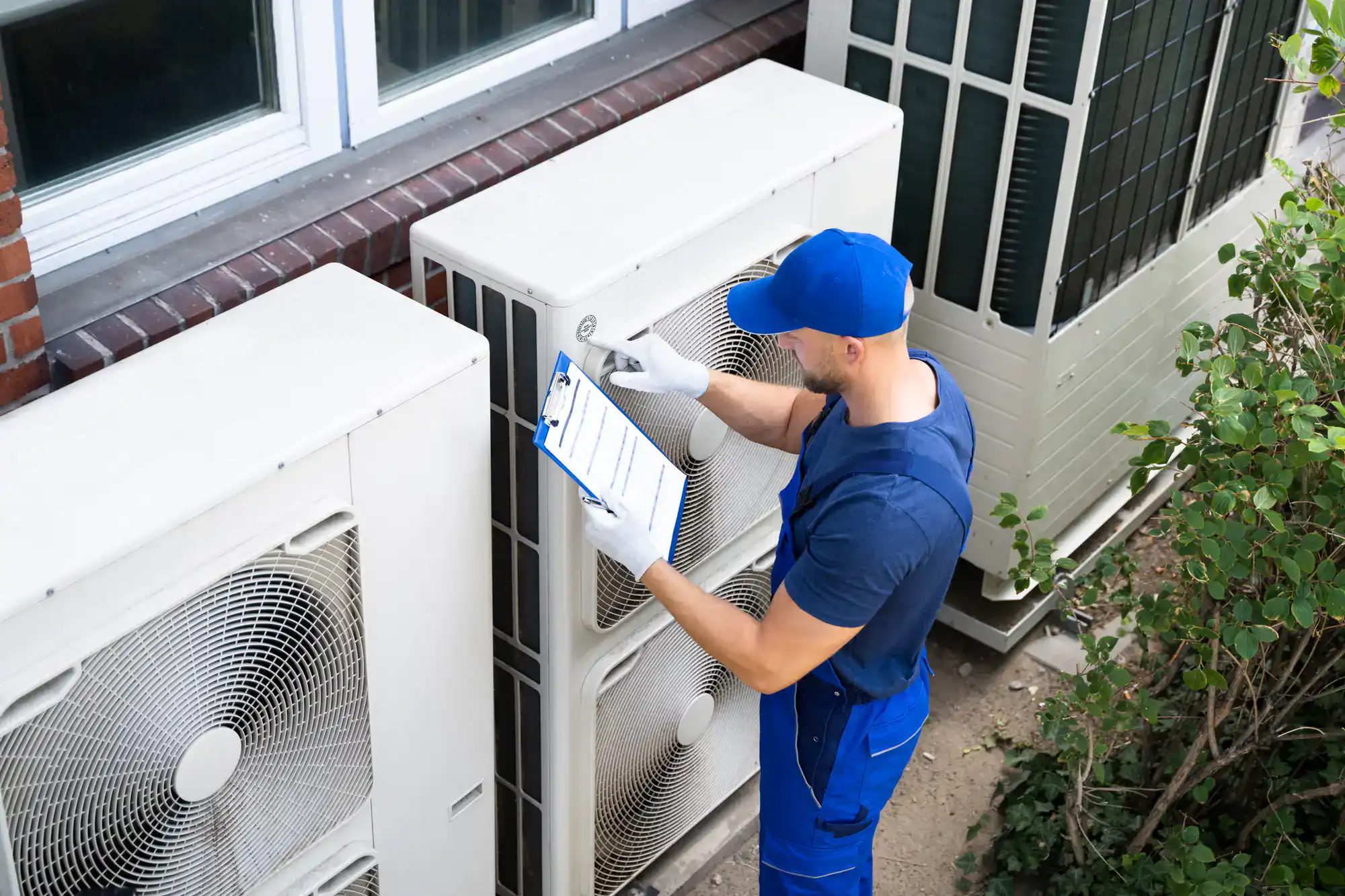
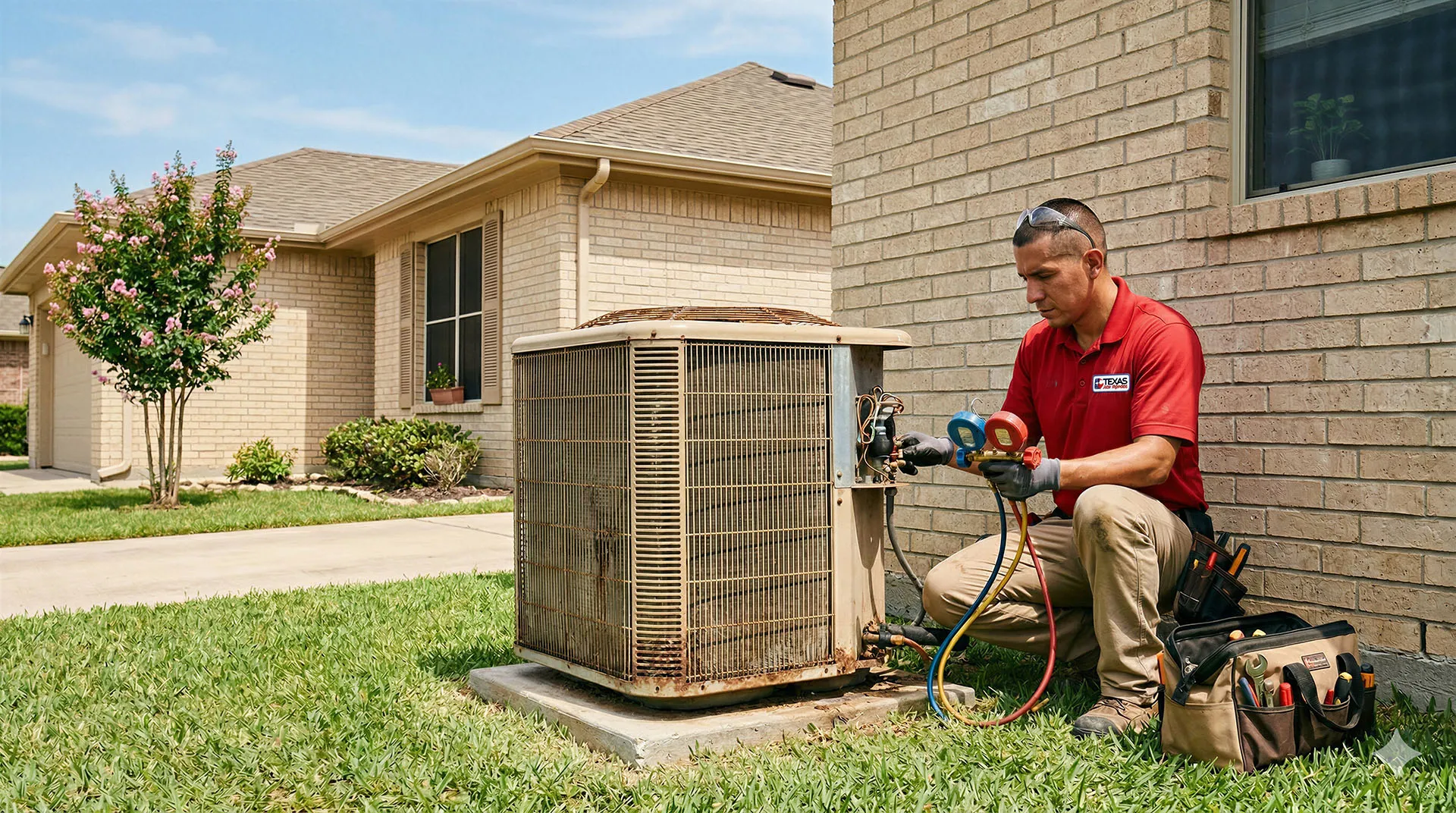
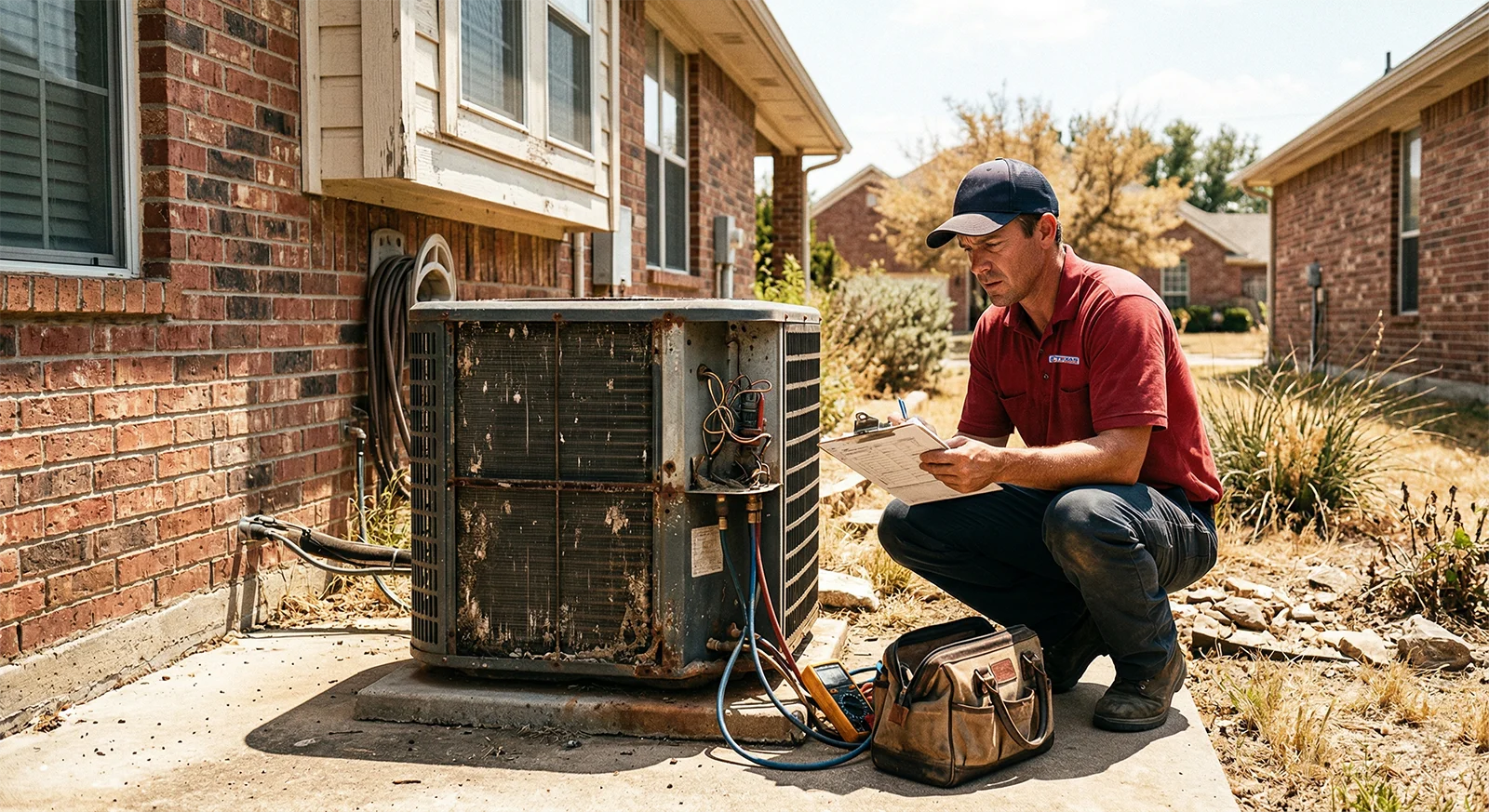
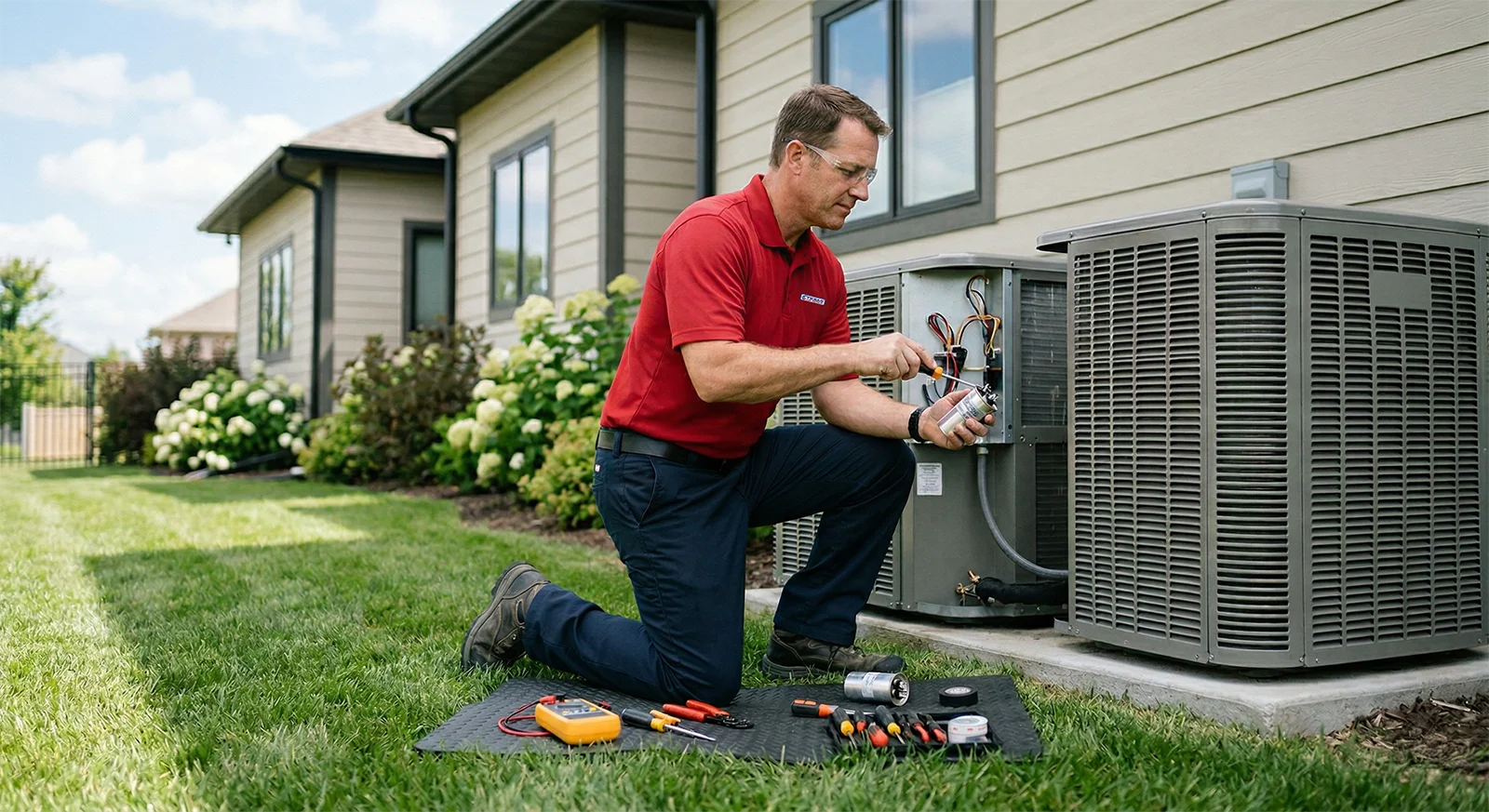
A proper AC maintenance visit isn’t just a quick visual inspection. It’s a comprehensive service that addresses every component affecting your system’s performance and longevity. Our technicians start by inspecting and cleaning your condenser coils, which directly impact how efficiently your system transfers heat. Dirty coils force your AC to work harder and consume more energy to achieve the same cooling output.
The refrigerant charge gets checked and adjusted to manufacturer specifications. Low refrigerant doesn’t just reduce cooling capacity—it can cause your evaporator coil to freeze, leading to water damage and system shutdown. Electrical connections are tightened and tested because loose connections create resistance, generate heat, and pose fire hazards.
Your air filter gets replaced, though you should be handling this between professional visits. Clogged filters restrict airflow, which reduces efficiency and can cause your system to overheat. The condensate drain line is cleared to prevent water backup that can damage your home and create mold growth. Capacitors are tested since these components often fail first in hot climates, and catching a weak capacitor before it burns out prevents damage to more expensive parts like the compressor.
We also calibrate your thermostat to ensure accurate temperature readings, inspect ductwork for leaks that waste cooled air, and test system controls to verify everything operates safely. We measure airflow, check blower motor operation, and look for any signs of wear that could lead to future problems. The entire process typically takes 60 to 90 minutes and gives you a clear picture of your system’s current condition.
This thorough approach catches minor issues before they escalate. A $50 capacitor replacement during a tune-up prevents a $1,500 compressor failure down the road. That’s not a sales pitch—it’s basic cause and effect when mechanical systems aren’t properly maintained.
The Real Cost of Skipping Maintenance
Skipping maintenance might feel like saving money today, but it sets you up for much bigger expenses tomorrow. Emergency repairs in San Antonio typically cost 50 to 100 percent more than standard service calls because they happen at the worst possible moments—during holiday weekends, in the middle of the night, or when every technician in town is already swamped with calls.
The average AC repair in San Antonio runs $300 to $400 for common issues. But when neglect leads to major component failures, you’re looking at $2,500 or more for compressor replacements. Refrigerant leaks can cost $200 to $1,500 depending on severity. A frozen coil repair that could’ve been prevented with a clean filter and proper airflow now requires emergency service and potential water damage remediation.
Beyond repair costs, neglected systems consume significantly more energy. Research shows that unmaintained HVAC units use 15 to 25 percent more energy than properly serviced systems. For the average San Antonio household spending $1,800 annually on HVAC-related energy costs, that’s an extra $270 to $450 per year just disappearing into wasted electricity. Over five years, you’ve spent $1,350 to $2,250 more than necessary simply because you didn’t invest in maintenance.
System lifespan takes a hit too. Well-maintained AC systems in San Antonio can last 15 to 20 years despite the intense heat. Systems that don’t receive regular care often fail after just 10 to 12 years. That means you’re replacing your entire system five to seven years earlier than necessary, turning what should be a long-term investment into a recurring expense.
Then there’s the warranty issue. Most manufacturers require proof of annual professional maintenance to honor warranty claims. Skip those tune-ups, and you might find yourself paying out of pocket for repairs that should’ve been covered. We’ve seen homeowners face thousands in expenses simply because they couldn’t provide maintenance records when filing a claim.
The math is straightforward. Annual maintenance typically costs $150 to $200. Compare that to emergency repairs, wasted energy, and premature replacement, and the return on investment becomes obvious. Every dollar spent on preventive care saves an estimated four dollars in avoided breakdowns and repair costs according to EPA guidance. That’s a 400 percent return you won’t find in many other home investments.
How Maintenance Extends Your AC System's Lifespan
Your air conditioning system is a significant investment, typically costing $5,000 to $7,000 or more for a full replacement. Getting maximum lifespan from that investment makes financial sense, and maintenance is the single most effective way to extend how long your system lasts.
Regular tune-ups reduce wear and tear on critical components by keeping everything clean, properly lubricated, and operating within design specifications. When your system runs efficiently, it doesn’t have to work as hard to cool your home. Less strain means longer component life. Clean coils transfer heat effectively. Proper refrigerant levels prevent compressor damage. Tight electrical connections eliminate resistance and overheating.
Studies consistently show that preventive maintenance can extend equipment life by five to seven years or more. For San Antonio homeowners, that means delaying a $7,000 replacement expense by half a decade. Even accounting for the cost of annual maintenance over those extra years, you’re still thousands of dollars ahead compared to letting your system fail prematurely.
When to Schedule AC Maintenance in San Antonio
Timing matters when it comes to AC maintenance in San Antonio. Spring—specifically March or April—is the sweet spot for scheduling your annual tune-up. You’re getting ahead of the summer rush before temperatures climb into the 90s and before HVAC companies get overwhelmed with service calls.
Early scheduling gives you better appointment availability and more flexible timing. More importantly, if our technicians discover any issues during your tune-up, you have time to address them before you actually need your system running full-time. Waiting until June or July means you’re already dealing with heat while you wait for parts or repairs, and if everyone else waited too, you might not get an appointment for weeks.
Some homeowners benefit from twice-yearly service—once before cooling season and once before heating season. If your system is older, runs constantly, or has had issues in the past, that extra checkup can catch problems before they turn into failures. For most San Antonio homes where AC runs the majority of the year, at minimum you want that spring maintenance visit locked in annually.
Don’t wait until you notice problems to call for service. By the time you hear strange noises, feel weak airflow, or notice your system struggling to cool, damage may already be occurring. Preventive maintenance catches issues before you experience symptoms, which is exactly the point. You’re staying ahead of problems rather than reacting to them after they’ve already cost you comfort and money.
The busiest time for HVAC companies is summer when systems are failing under the strain of constant use. Scheduling maintenance in spring means you’re not competing with emergency repair calls. You get priority scheduling, thorough service, and peace of mind knowing your system is ready before the real heat arrives.
Energy Savings From Regular AC Maintenance
One of the most immediate benefits of regular maintenance is lower energy bills. When your AC system operates at peak efficiency, it uses less electricity to achieve the same cooling output. The savings show up every single month on your utility bill, making maintenance one of the few home expenses that actually pays for itself.
Clean coils, proper refrigerant levels, and unobstructed airflow all contribute to efficiency. When these elements are optimized through regular maintenance, your system doesn’t have to run as long or work as hard to maintain your desired temperature. Research from Energy Star shows that well-maintained HVAC systems can reduce energy usage by 5 to 15 percent compared to neglected systems. Some studies indicate potential savings up to 30 percent when comparing properly maintained systems to severely neglected ones.
For a San Antonio household spending $1,800 per year on HVAC-related energy costs, even a modest 10 percent efficiency improvement saves $180 annually. Over five years, that’s $900 in savings—more than enough to cover the cost of annual maintenance with money left over. The longer you maintain your system properly, the more those savings compound.
Beyond the direct cost savings, efficient operation reduces strain on the electrical grid during peak demand periods. Your system draws less power, which helps prevent brownouts and reduces overall energy consumption in the community. It’s a benefit that extends beyond your individual household.
The efficiency gains from maintenance aren’t just theoretical. Our technicians measure airflow, temperature differentials, and system performance during tune-ups. These metrics provide concrete data showing how well your system is operating. When components are clean and properly adjusted, the improvement in efficiency is measurable and translates directly to lower operating costs.
Dirty coils alone can reduce efficiency by 20 to 40 percent according to industry research. A clogged air filter forces your system to work significantly harder just to move air through your home. Low refrigerant charge makes your compressor run longer cycles to achieve the same cooling. Each of these issues is easily addressed during routine maintenance, and each one directly impacts how much you spend on electricity every month.
The math is simple. Spending $150 to $200 annually on maintenance to save $180 or more per year on energy costs is a net positive before you even account for avoided repairs and extended equipment life. It’s one of the few home investments with both immediate and long-term returns.
Protecting Your Investment and Your Comfort
Regular AC maintenance isn’t an expense—it’s an investment that protects one of the most important systems in your home. In San Antonio’s climate, where your AC runs nearly year-round and temperatures regularly exceed 100 degrees, preventive care is the difference between reliable comfort and expensive emergencies.
The benefits are clear and measurable. Lower energy bills that save you hundreds annually. Extended equipment lifespan that delays replacement costs by years. Reduced breakdown risk that keeps you comfortable when you need it most. Maintained warranty coverage that protects you from unexpected repair expenses. Every tune-up catches small issues before they become major problems, giving you control over your home comfort and your budget.
Spring maintenance before the summer rush ensures your system is ready when temperatures climb. It gives you peace of mind knowing you won’t be scrambling for emergency repairs when every HVAC company in town is already booked. For San Antonio homeowners who want to avoid the stress and expense of AC failures during the hottest months, regular maintenance is the smartest decision you can make. At Texas Air Repair, we bring over 20 years of experience helping San Antonio homeowners protect their comfort with honest, professional HVAC maintenance services designed to keep your system running efficiently year after year.