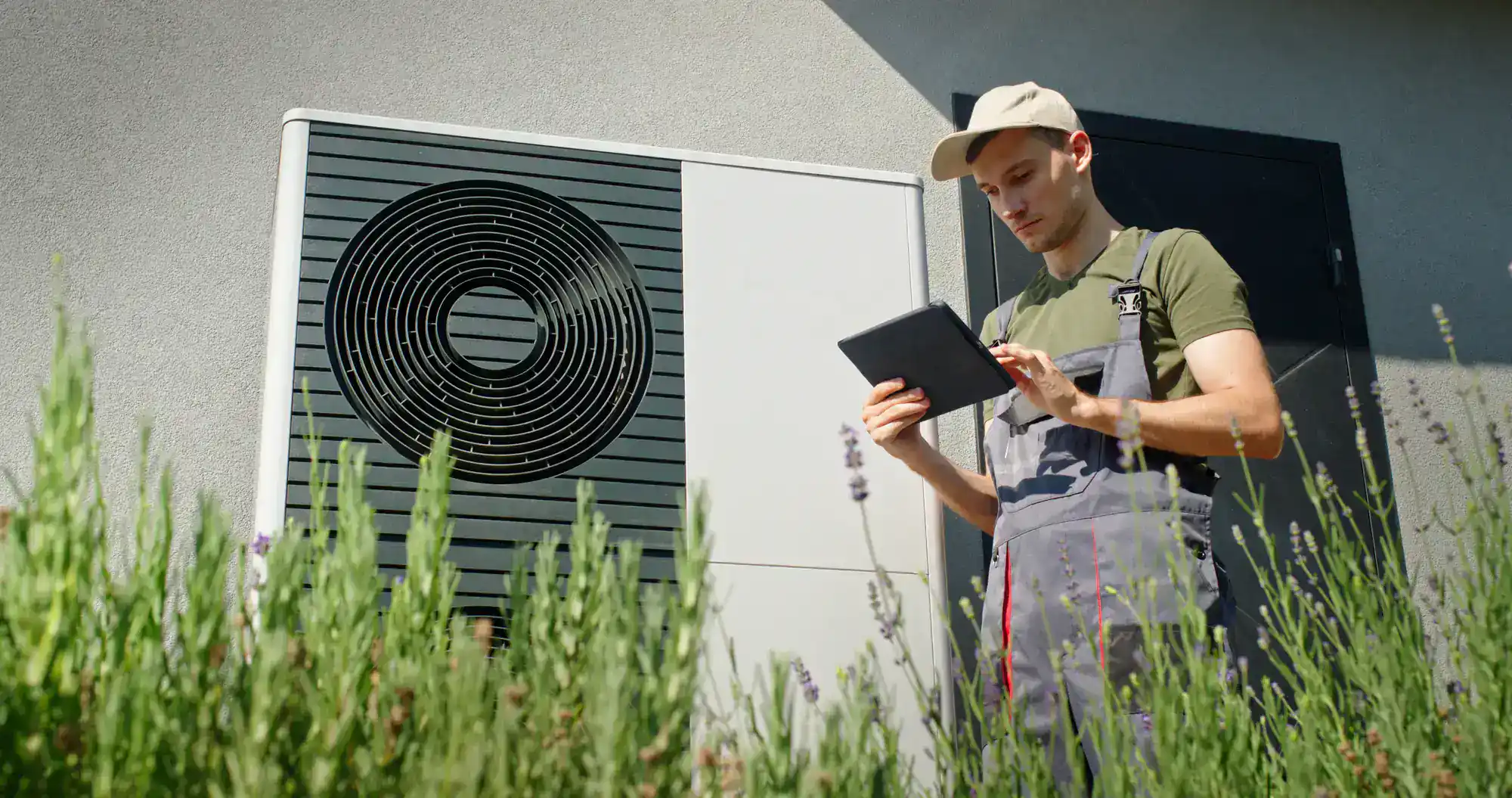
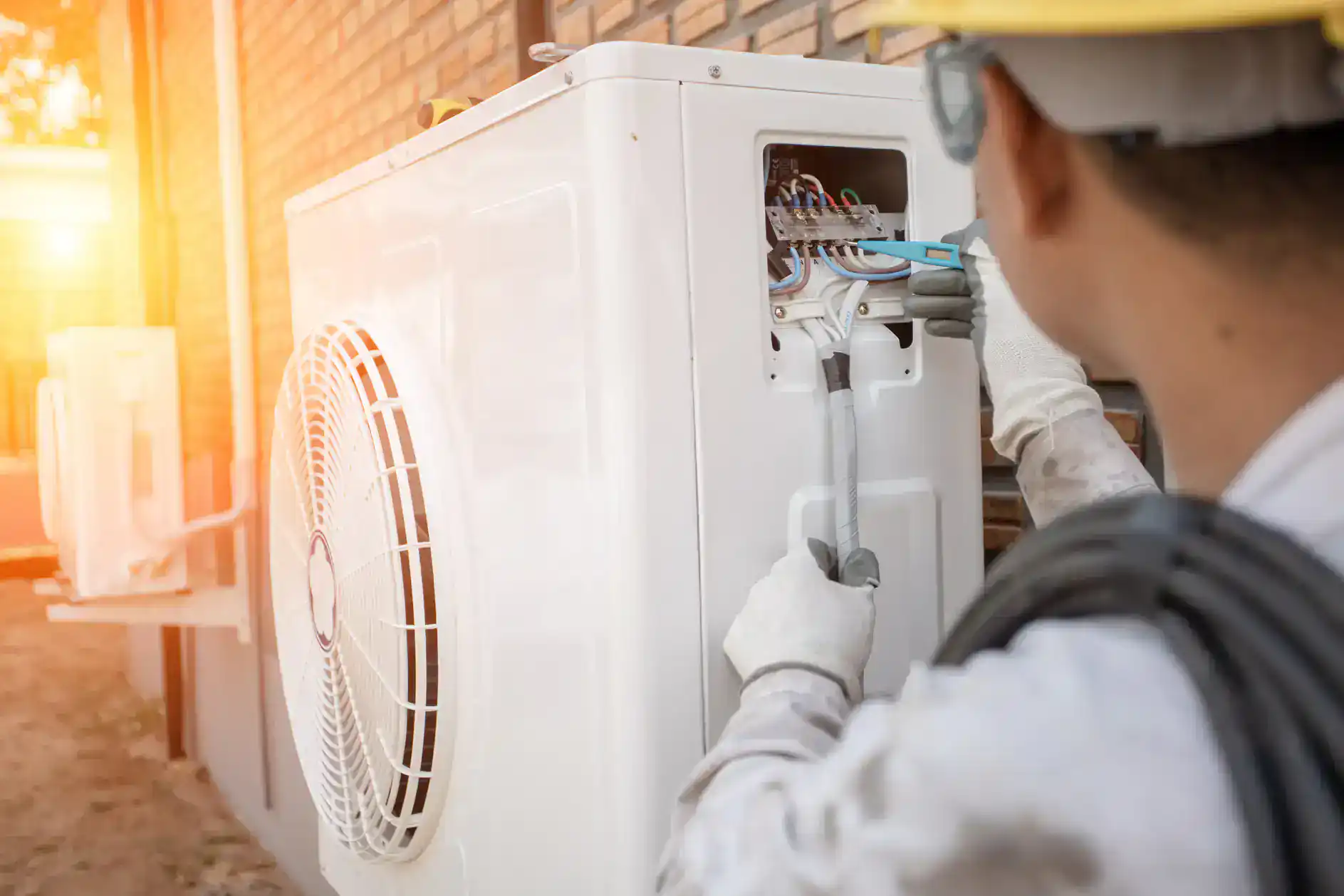
You’re done juggling two systems. A heat pump handles both heating and cooling from one unit, which means less equipment to maintain, less space taken up, and one less thing to worry about when Texas weather decides to get weird.
Here’s what matters: Texas households with heat pumps save more than $300 annually on energy bills. That’s not a marketing claim—that’s the average. Over 15 years, you’re looking at up to $10,000 back in your pocket. Heat pumps cut energy use roughly in half compared to electric resistance heating, and they work by moving heat instead of generating it, which is why they’re so efficient.
Sandy Oaks gets the full Texas weather experience—brutal summer heat, surprise cold snaps, humidity rolling in from San Antonio, and dust when things dry out. A properly sized heat pump handles all of it. You get powerful cooling when it’s 100 degrees outside and reliable heating when winter hits. Plus, heat pumps dehumidify better than standard AC, which matters when you’re dealing with South Texas humidity.
We’ve been installing and servicing HVAC systems across San Antonio, Houston, and Austin for over 20 years. We’re veteran-owned, which means we show up on time, do what we say we’re going to do, and don’t leave until the job’s done right.
Sandy Oaks is 20 miles south of San Antonio, which puts you in a unique spot. You get the rural space and larger properties, but you’re close enough to the city that dust, humidity, and temperature swings all play a role in how your HVAC system performs. We’ve installed heat pumps in this area long enough to know what works and what doesn’t.
You’re not getting a crew that learned about heat pumps last month. Our technicians are certified, licensed, and insured. We’re available 24/7 because systems don’t wait for business hours to break down. And we give you a clear quote before we start—no surprise charges, no hidden fees.
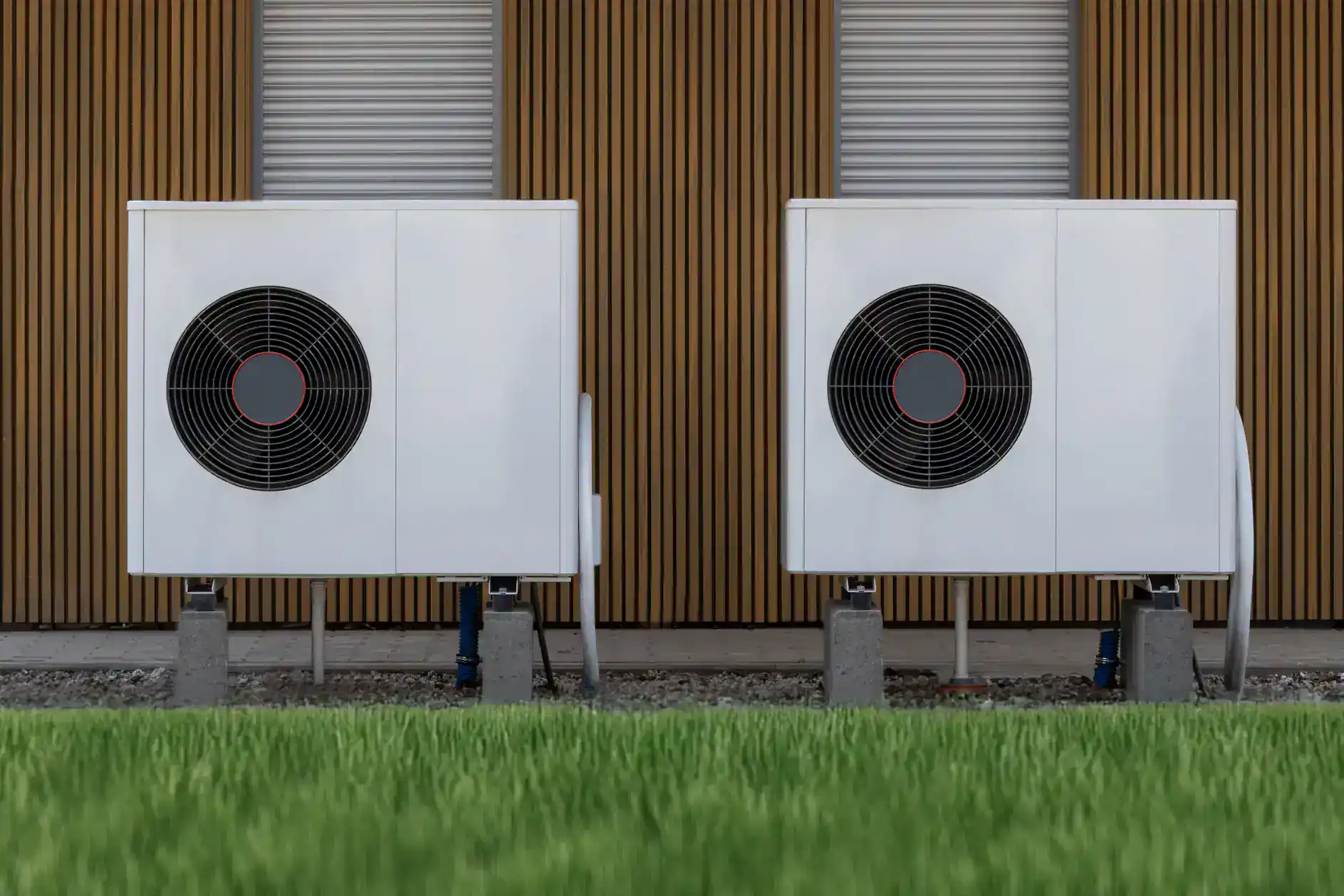
First, we come out and assess your home. That means looking at square footage, insulation, ductwork, and how your current system is set up. Sandy Oaks homes vary—some are newer builds with modern HVAC infrastructure, others are older properties with larger acreage and unique layouts. We size the system based on what your home actually needs, not what’s easiest to install.
Once we’ve walked through everything and you’ve approved the quote, we schedule the installation. Most residential heat pump installations take one to two days depending on whether we’re replacing an existing system or starting fresh. If your ductwork needs modification or sealing, that adds time, but we’ll tell you that upfront.
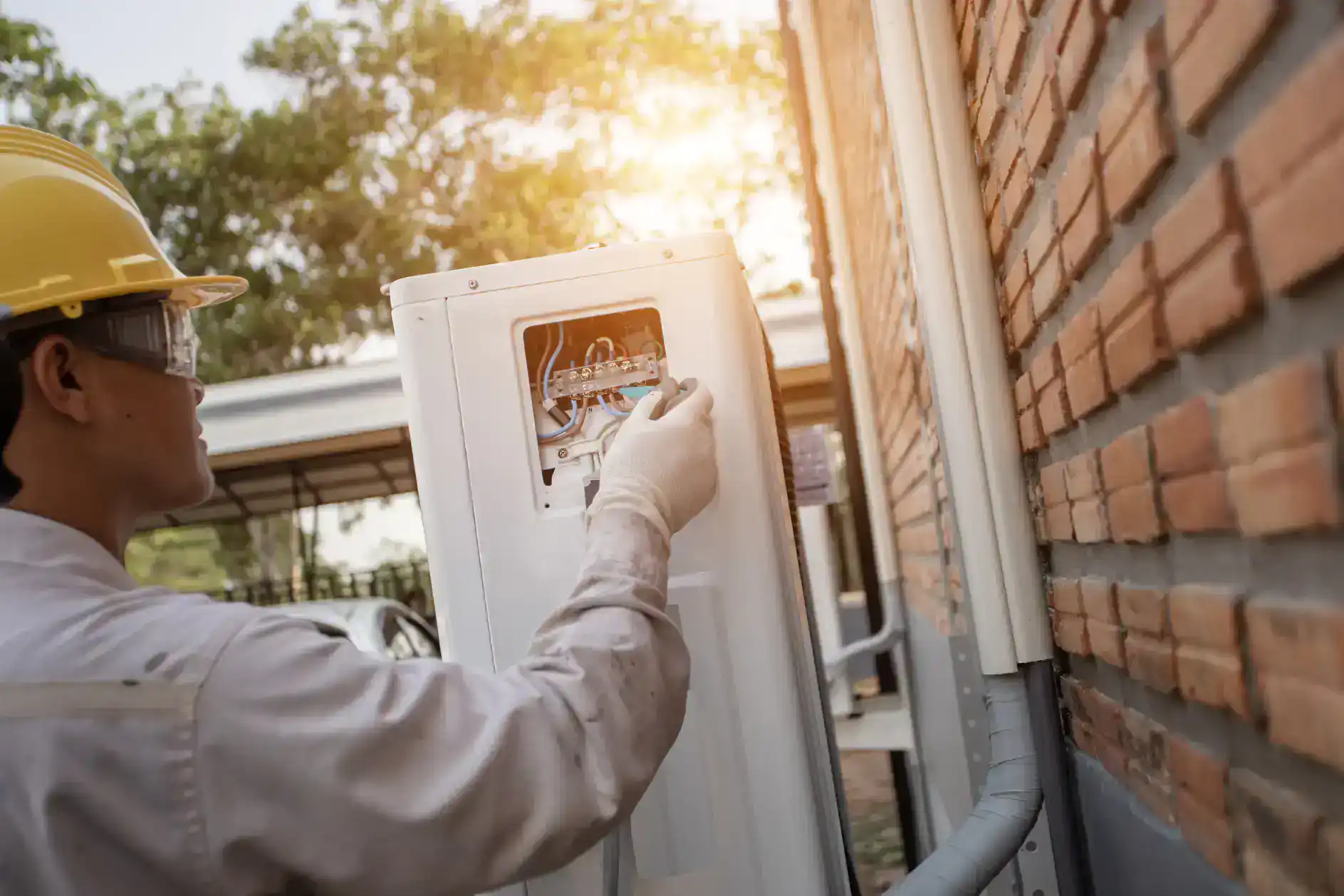
During installation, we remove your old equipment, install the new heat pump (both the indoor air handler and outdoor condenser unit), connect everything to your existing ductwork or install new ducts if needed, and test the system to make sure it’s running efficiently. Before we leave, we walk you through how to use your new system, what maintenance looks like, and answer any questions you have. Then we clean up and haul away the old equipment.
Ready to get started?
Heat pump system installation in Sandy Oaks, TX includes the equipment itself—the outdoor condenser unit and indoor air handler—plus all the labor to install it, connect it to your ductwork and electrical system, and test it. You also get a comprehensive warranty on both parts and labor, which varies by manufacturer and system type.
Right now, there are federal tax credits available—up to $2,000, which is 30% of your project cost for qualifying high-efficiency systems. Texas is also expanding heat pump rebate programs because the state is dealing with increasing winter peak demand. If you qualify based on household income, you could get rebates covering a significant portion of your installation cost. We’ll walk you through what’s available when we give you a quote.
Here’s what you need to know about costs: heat pump installation in Texas typically runs between $4,200 and $18,500 depending on system size, efficiency rating, and whether you need ductwork modifications. Entry-level systems start around $4,200 to $6,500. Mid-range systems with better efficiency and features run $7,000 to $12,000. Premium systems with the highest efficiency ratings and advanced features go up to $18,500. Your home size, insulation quality, and how much heating and cooling load you’re dealing with all affect which system makes sense.
Sandy Oaks homes often sit on larger lots with more square footage than typical suburban homes, which means you might need a larger system. But bigger isn’t always better—an oversized heat pump will cycle on and off too frequently, which wastes energy and wears out components faster. Proper sizing matters, and that’s why we do a full assessment before recommending a system.
Yes, and here’s why this question comes up: older heat pumps struggled in freezing temperatures. Modern heat pumps are different. They work efficiently down to around 25-30 degrees Fahrenheit, and many newer models can operate effectively even below that.
Sandy Oaks doesn’t see prolonged freezing temperatures. You’ll get cold snaps where it dips into the 20s or 30s overnight, but those don’t last long. A properly sized heat pump handles that without issue. If you’re concerned about backup heat during extreme cold, many systems include electric resistance heating strips that kick in automatically when outdoor temps drop too low. You won’t notice a difference in comfort—the system just switches modes.
Texas has more heat pumps installed than any other state—1.95 million of them. They work here because our climate is mostly hot with short, mild winters. That’s exactly what heat pumps are designed for. You need powerful cooling all summer and just a touch of heat in winter. A heat pump delivers both.
Texas households with heat pumps save an average of more than $300 per year compared to electric resistance heating. Over 15 years, that’s up to $10,000 in savings. Heat pumps cut energy use roughly in half because they move heat instead of generating it.
Here’s the math: over 25% of Texas households still use electric resistance heating, which averages 9 kW of peak demand. Heat pumps reduce that by approximately 50%, which directly lowers your electric bill. In Sandy Oaks, where summer cooling loads are high, you’ll also see savings during the warmer months because heat pumps dehumidify more effectively than standard air conditioners, which means your system doesn’t have to work as hard.
Your actual savings depend on your current system, your home’s insulation, and how you use your HVAC. But the efficiency difference is real. Heat pumps are rated by SEER (Seasonal Energy Efficiency Ratio) for cooling and HSPF (Heating Seasonal Performance Factor) for heating. Higher ratings mean better efficiency. We’ll show you the efficiency ratings for different systems when we give you a quote so you can see the projected savings.
You need to check your air filter monthly and replace it every 30 days during dusty periods, which happens in Sandy Oaks when things dry out. Dust accumulation is common in this area, and a clogged filter makes your system work harder, which drives up energy costs and can lead to breakdowns.
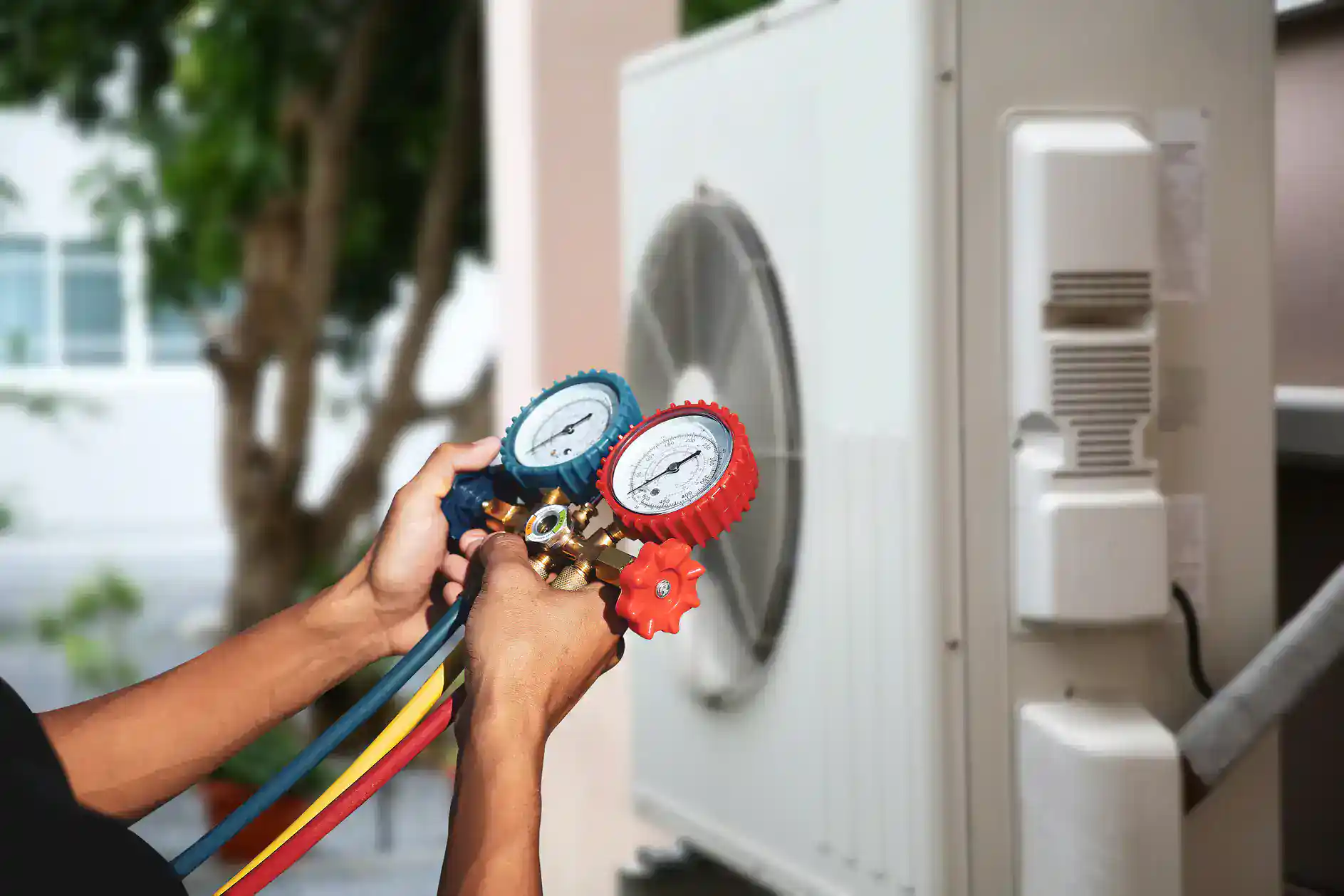
Beyond filters, you should schedule professional maintenance twice a year—once before cooling season and once before heating season. During a maintenance visit, we check refrigerant levels, clean the coils, inspect electrical connections, test the thermostat, and make sure everything is running efficiently. This catches small issues before they turn into expensive repairs.
Heat pumps also need clear space around the outdoor unit. Keep it free of debris, leaves, and vegetation. In Sandy Oaks, where properties often have more acreage and natural growth, it’s easy for brush to creep up around outdoor units. Just make sure there’s at least two feet of clearance on all sides so air can flow properly. That’s it—filters, professional maintenance twice a year, and keeping the outdoor unit clear.
Most residential heat pump installations take one to two days. If we’re replacing an existing system and your ductwork is in good shape, we can often finish in one day. If we need to modify ductwork, add new ducts, or make electrical upgrades, it takes longer.
Here’s what affects timeline: the size of your home, whether we’re working with existing infrastructure or starting from scratch, and whether we run into any issues with your current setup. Sandy Oaks homes vary quite a bit—some are newer construction with modern HVAC systems, others are older homes that might need ductwork updates or electrical panel upgrades to handle a new heat pump.
We’ll give you a clear timeline when we assess your home and provide a quote. We don’t rush installations because doing it right matters more than doing it fast. A properly installed heat pump will last 15-20 years. A rushed job leads to efficiency problems, comfort issues, and early breakdowns. We’d rather take an extra day and know your system is set up correctly.
If you’re replacing an old system, a heat pump makes more sense in Sandy Oaks for a few reasons. First, you’re eliminating the need for two separate systems. One heat pump handles both heating and cooling, which means less equipment, less maintenance, and fewer potential failure points.
Second, the energy savings are significant. Heat pumps are more efficient than electric resistance heating and comparable to high-efficiency air conditioners for cooling. You’ll see lower utility bills year-round. Third, federal tax credits and potential rebates make heat pumps more affordable right now than they’ve been in years.
Traditional AC and furnace setups still work, and if you already have a newer furnace that’s running fine, you might just replace the AC unit. But if both systems are aging or you’re starting fresh, a heat pump gives you better long-term value. Texas is moving toward heat pumps—the state has more installed than anywhere else in the country because they work well in this climate. Sandy Oaks gets hot summers and mild winters, which is exactly the climate profile where heat pumps perform best.
That depends on your home’s square footage, insulation, ductwork, ceiling height, number of windows, and how much sun exposure you get. Sandy Oaks homes often sit on larger properties with more square footage than typical suburban homes, but square footage alone doesn’t determine system size.
We do a full load calculation during the assessment. That means measuring your home, checking insulation levels, inspecting ductwork for leaks, and accounting for factors like which direction your home faces and how much shade you have. An oversized heat pump will cycle on and off too frequently, which wastes energy and creates humidity problems. An undersized system will run constantly and never quite keep up with demand.
HVAC professionals in this area typically recommend setting your thermostat about 20 degrees lower than the outdoor temperature during extreme heat. So when it’s 95-100 degrees outside in Sandy Oaks, a realistic indoor temp is 72-75 degrees. A properly sized heat pump will maintain that comfortably without running nonstop. We’ll recommend the right size system based on your home’s specific needs, not just a generic calculation.
Other Services we provide in Sandy Oaks
 Call Now