Your utility bills drop. Most Cross Mountain homeowners save over $300 annually once they switch from electric resistance heating to a properly installed heat pump system. That’s real money back in your pocket every single year.
You get heating and cooling from one system. No more juggling two separate units or worrying whether your furnace will make it through another unpredictable Texas winter. Heat pumps handle both jobs efficiently, even when temperatures swing 40 degrees in a day.
The federal tax credit covers up to $2,000 of your installation cost if you choose a high-efficiency system. Between utility savings and tax incentives, most systems pay for themselves within three to five years. After that, you’re just collecting savings.
We’ve been installing and servicing heat pump systems across San Antonio, Houston, and Austin since we started. We’re veteran-owned, which means we show up when we say we will and we don’t cut corners.
Cross Mountain homeowners deal with specific challenges. Your larger estate-style homes on spacious lots need systems sized correctly for square footage and ceiling height. We’ve handled enough installations in Bexar County to know what works in your climate and what doesn’t.
We’re available 24/7 for emergencies because Texas weather doesn’t wait for business hours. Our certified technicians have seen every scenario from ice buildup during freak freezes to compressor failures during summer heat waves.
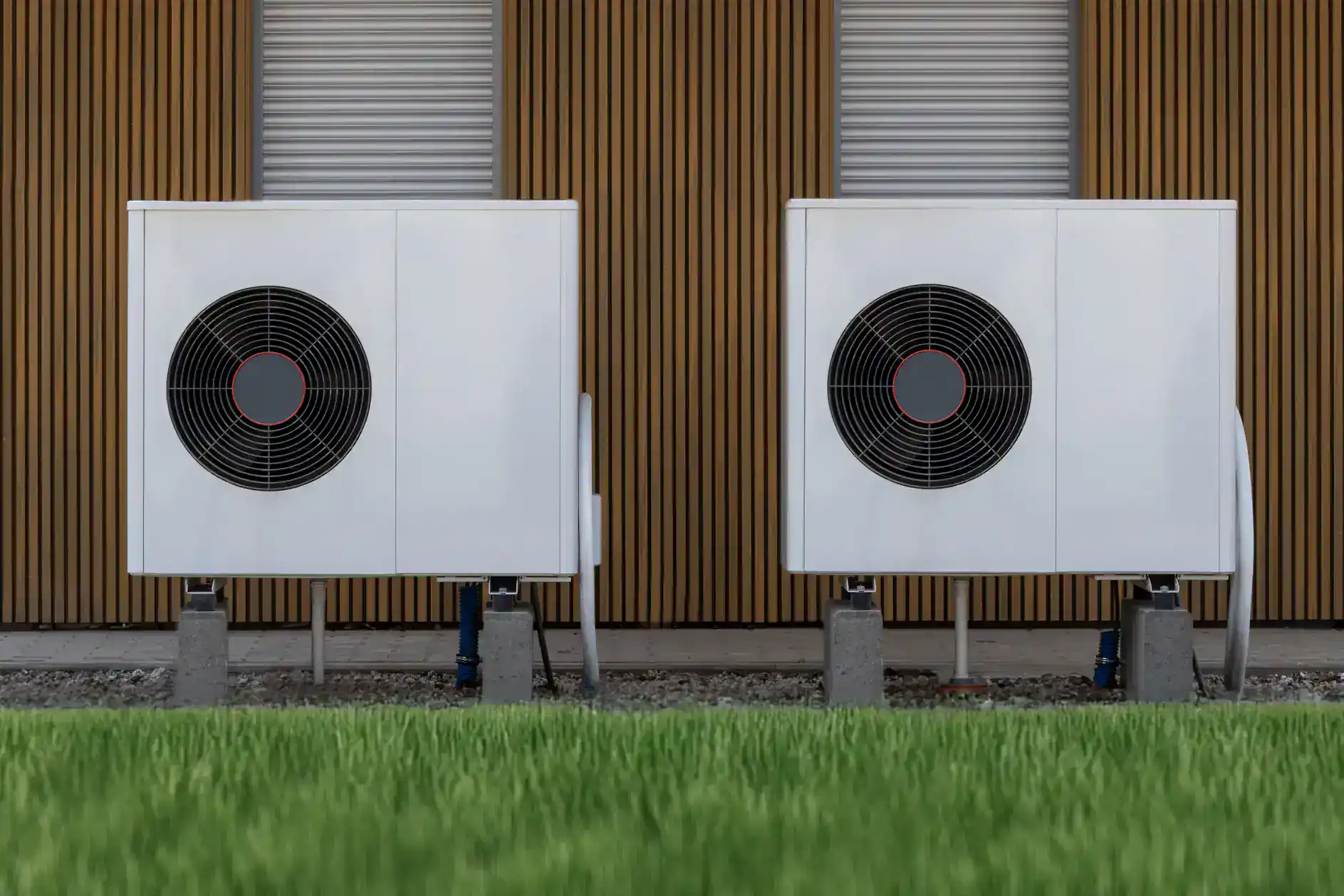
We start with an in-home assessment. One of our technicians measures your space, checks your existing ductwork, and evaluates your electrical panel. Most homes in Cross Mountain can use existing ducts, but older properties sometimes need modifications or panel upgrades.
You get a detailed quote that breaks down equipment costs, labor, and any additional work required. We explain which systems qualify for federal tax credits and what efficiency ratings mean for your specific situation. No surprises, no upselling equipment you don’t need.
Installation typically takes one to two days depending on your home’s setup. We remove your old system, install the new heat pump, test refrigerant levels, calibrate the thermostat, and verify everything runs correctly. Before we leave, we walk you through operation and maintenance so you know exactly what to expect.
Ready to get started?
Texas has more heat pumps than any other state because our climate suits them perfectly. Modern systems operate effectively down to -10°F, which covers even our worst winter days. The technology has improved significantly in the past decade.
Heat pumps move heat instead of generating it, which is why they use 50% less energy than electric resistance heating. During summer, they reverse the process and work like a traditional AC. One system, two functions, half the energy consumption.
Cross Mountain’s higher-end homes benefit most from this upgrade. Your larger square footage means higher utility bills, so the percentage savings translate to bigger dollar amounts. Professional installation matters because improperly sized systems waste energy and wear out faster.
Your system needs maintenance twice a year since it runs year-round. We check refrigerant levels, clean coils, test the reversing valve, and inspect for ice buildup or compressor strain. Regular service prevents the most common failures we see during Texas weather extremes.
Installation typically runs between $6,500 and $15,000 for most Cross Mountain homes, with premium high-efficiency systems reaching $18,500. Your final cost depends on system size, efficiency rating, and whether your home needs ductwork modifications or electrical upgrades.
Larger homes on those spacious Cross Mountain lots often need higher-capacity systems, which increases equipment costs. If your electrical panel can’t handle the load or your ductwork needs updating, add $1,500 to $4,000 for those modifications.
Federal tax credits cover up to $2,000 for qualifying high-efficiency installations. Local utility companies also offer rebates, though amounts vary. We help you navigate available incentives during the quote process so you know your actual out-of-pocket cost.
Yes, if it’s built for it. Modern heat pumps operate effectively down to -10°F, which covers even the worst Texas winter weather. The key is choosing a system designed for variable temperatures, not a basic model that struggles below 40°F.
During extreme cold, heat pumps work harder and may run longer cycles to maintain temperature. That’s normal. What’s not normal is a system that can’t keep up or shuts down completely, which happens with older or improperly sized units.
We install systems with updated compressors and improved coil design specifically because Texas weather is unpredictable. Your system needs to handle 100°F summer days and 20°F winter nights without failing. Proper installation and twice-yearly maintenance prevent the ice buildup and refrigerant leaks that cause problems during temperature extremes.
Texas homeowners switching from electric resistance heating to heat pumps save an average of $300+ annually on utility bills. Your actual savings depend on your home’s size, insulation quality, and how much you currently spend on heating and cooling.
Heat pumps cut energy use roughly in half compared to electric resistance systems. If you’re spending $200 monthly on heating during winter, expect that to drop to around $100 with a properly installed heat pump. Summer cooling costs stay similar since heat pumps work like standard AC units.
Most Cross Mountain homeowners see their investment pay back within three to five years through lower utility bills. After that, you’re collecting pure savings. The larger your home and the higher your current bills, the faster you hit that payback point.
Most existing ductwork can accommodate heat pump installation, but we need to inspect it first. Ducts designed for traditional HVAC systems usually work fine as long as they’re properly sealed and sized correctly for airflow.
Older homes sometimes have undersized ducts or significant air leaks that reduce efficiency. We test airflow and check for gaps during the initial assessment. Minor sealing work costs a few hundred dollars. Complete duct replacement runs $2,000 to $4,000 depending on your home’s layout.
Cross Mountain’s larger estate-style homes typically have well-designed duct systems that need minimal modification. The bigger concern is usually electrical capacity. Heat pumps draw significant power, and older panels sometimes need upgrades to handle the load safely.
Heat pumps need professional maintenance twice yearly because they run year-round instead of seasonally. We recommend service in spring and fall before peak summer and winter demand hits your system.
Each service includes cleaning coils, checking refrigerant levels, testing the reversing valve, inspecting electrical connections, and verifying defrost cycle operation. These checks prevent the most common failures we see: refrigerant leaks, ice buildup, and compressor strain during temperature extremes.
Texas humidity and unpredictable weather put extra stress on heat pump systems. Ice buildup from humidity can block airflow during cold snaps. Compressor overheating happens during heat waves if refrigerant runs low. Regular maintenance catches these issues before they become expensive emergency repairs.
Properly maintained heat pumps last 15 to 20 years in Texas climate conditions. Systems that skip regular maintenance or run with refrigerant leaks typically fail within 10 to 12 years.
Texas weather is hard on HVAC equipment. Your system battles 100°F heat, sudden freezes, high humidity, and constant temperature swings. Quality installation and twice-yearly professional maintenance are the difference between a system that lasts two decades and one that dies early.
We see the longest lifespans from homeowners who address small issues immediately instead of waiting for complete failure. A $200 refrigerant recharge today prevents a $3,000 compressor replacement next year. Regular filter changes and keeping outdoor units clear of debris also extend system life significantly.
Other Services we provide in Cross Mountain
 Call Now