
Summary:
Your AC just kicked on again. You glance at the thermostat—78 degrees, same as always—but somehow your last electric bill was higher than the month before. The system’s running constantly, the house feels humid even when it’s cooling, and you’re starting to wonder if you’re throwing money at a unit that’s past saving.
You’re not alone. San Antonio’s relentless heat puts more strain on air conditioning systems than most regions in the country, and when your unit starts losing efficiency, those monthly costs add up fast. The good news? Today’s energy-efficient AC replacement options are built specifically for climates like ours, and they can cut your cooling costs significantly while actually improving comfort.
Let’s talk about what makes sense for your home, your budget, and those long Texas summers ahead.
How Energy-Efficient AC Systems Actually Save You Money
Energy efficiency isn’t just a buzzword—it’s the difference between paying for cooling you need and paying for wasted energy your old system can’t avoid. When your AC was installed 10 or 15 years ago, it met the standards of that era. But technology has moved forward, and so have efficiency requirements.
Modern high-efficiency air conditioners use less electricity to produce the same amount of cooling. That means your compressor runs smarter, your system cycles more effectively, and your monthly bill reflects actual comfort instead of constant struggle. For San Antonio homeowners running AC nearly year-round, that efficiency gap translates to hundreds of dollars in annual savings.
The real question isn’t whether a new system saves money. It’s whether the savings justify the investment—and in most cases, especially with older units fighting through another brutal summer, the answer is yes.
Understanding SEER Ratings and What They Mean for Your Bills
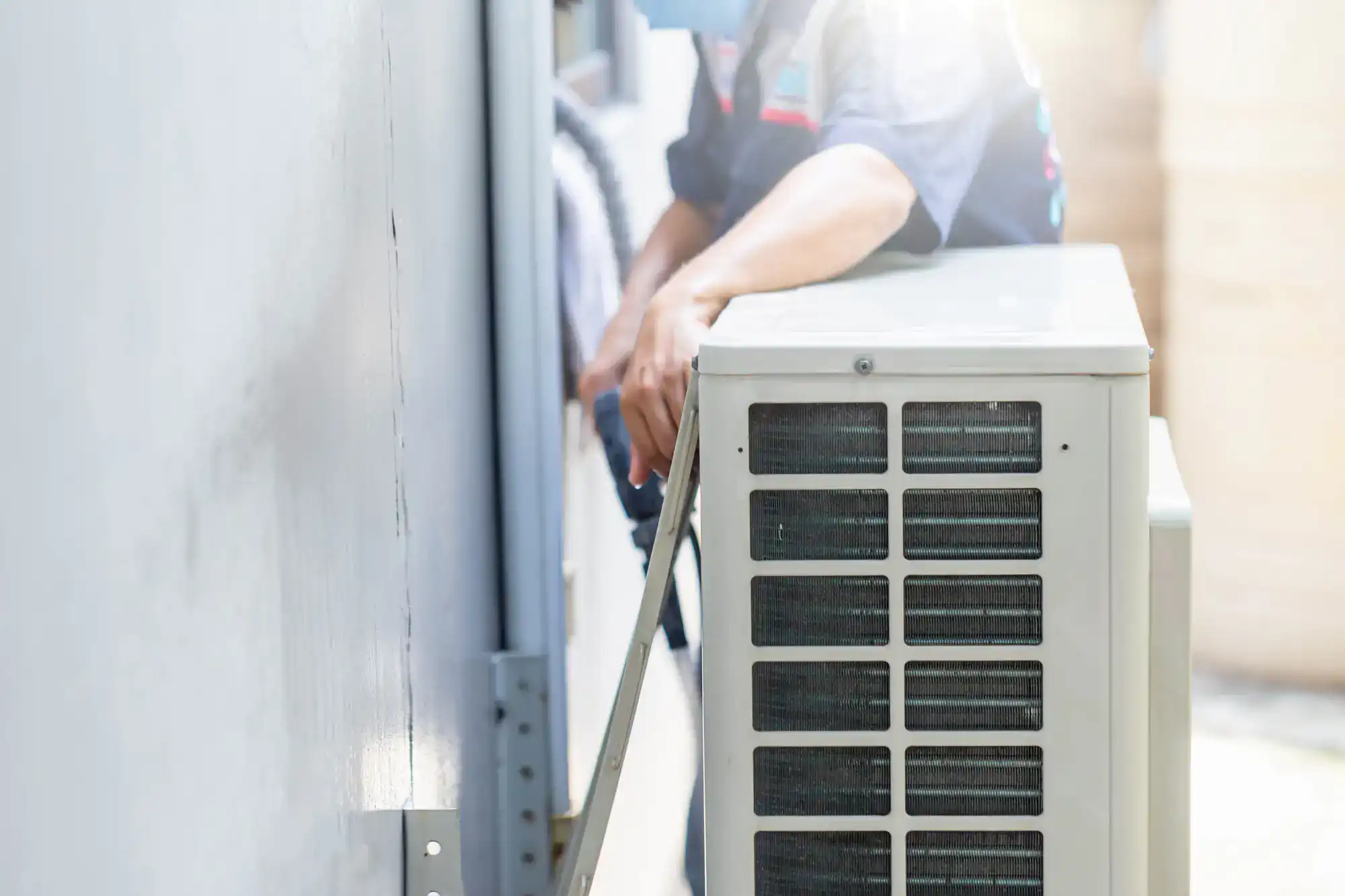
SEER stands for Seasonal Energy Efficiency Ratio, and it measures how much cooling your system delivers per unit of electricity consumed. Think of it like gas mileage for your car—higher numbers mean better efficiency.
Here’s what matters for San Antonio homes. As of 2023, the industry shifted to SEER2, which uses more realistic testing conditions that better reflect how systems actually perform in your home. The minimum SEER rating for new AC installations in Texas is 15, but that’s just the starting point.
A system rated at SEER2 16 to 18 offers a solid balance between upfront cost and long-term savings for most homeowners. If your current unit is 12 years old, it’s probably running at a SEER rating well below 13—meaning it works harder and costs more to produce the same cooling a modern system delivers efficiently.
Upgrading from an old SEER 10 system to a SEER 18 unit can cut your cooling costs by up to 50%. In a climate where your AC runs from April through October, that’s not a small difference. It’s the kind of savings you’ll see on every single electric bill, month after month, year after year.
CPS Energy offers rebates ranging from $100 to $275 per ton for qualifying high-efficiency systems, with higher rebates for units rated SEER2 16 or above. That rebate reduces your upfront cost while you start banking savings immediately. It’s one of the few home improvements where the math actually works in your favor from day one.
The key is matching the right efficiency level to your home’s needs. You don’t necessarily need the highest SEER rating available, but you do need a system that’s properly sized, professionally installed, and rated high enough to handle San Antonio summers without burning through electricity.
Variable-Speed Compressors vs Single-Stage Systems
Not all AC replacement options cool the same way, and understanding the difference can save you a significant amount of money over the life of your unit. Single-stage systems are either on at 100% or completely off. They blast cold air until the temperature drops, then shut down until the house warms up again. It’s effective, but it’s not efficient—and it’s definitely not comfortable when humidity levels spike.
Variable-speed systems work differently. Instead of cycling on and off repeatedly, they adjust compressor speed to match your home’s exact cooling needs at any given moment. On a mild 85-degree evening, the system might run at 40% capacity. On a scorching 103-degree afternoon, it ramps up as needed. This constant, modulated operation uses less energy than the stop-start cycle of older systems.
The comfort difference is noticeable. Variable-speed systems maintain more consistent temperatures throughout your home, and they do a much better job controlling humidity. In San Antonio, where humidity can make 85 degrees feel like 95, that dehumidification matters as much as the temperature itself.
From an efficiency standpoint, variable-speed compressors typically deliver SEER2 ratings of 18 or higher. They cost more upfront than single-stage units, but the energy savings add up quickly—especially when your system runs as many hours as it does in South Texas. If you’re replacing an aging unit and plan to stay in your home for several years, the variable-speed option often pays for itself through lower monthly bills and fewer repair calls.
There’s also the lifespan factor. Because variable-speed systems aren’t constantly cycling on and off at full capacity, they experience less wear on components. That can translate to a longer service life and fewer breakdowns during peak cooling season, which is exactly when you can’t afford to be without AC.
Smart Features That Cut Cooling Costs in San Antonio Homes
Energy efficiency isn’t just about the AC unit sitting outside your home. It’s also about how intelligently the system operates, adapts to your schedule, and responds to San Antonio’s unpredictable weather patterns. Modern AC replacement options come with technology that older systems simply can’t match.
Smart thermostats learn your preferences and adjust automatically. Zoning systems let you cool specific areas instead of the entire house. Advanced air filtration improves indoor air quality while the system runs more efficiently. These aren’t luxury add-ons—they’re practical features that reduce energy waste and improve comfort in measurable ways.
When you’re evaluating an AC upgrade, these smart features should be part of the conversation. They’re the difference between a system that just cools and one that actively manages energy use to keep your bills in check.
Smart Thermostats and Programmable Controls
A high-efficiency AC paired with an outdated thermostat is like buying a fuel-efficient car and then driving with your foot on the brake. You’re not getting the performance you paid for. Smart thermostats solve that problem by giving you precise control over when, where, and how your system operates.
These devices learn your schedule over time. If you’re gone from 9 to 5 every weekday, the thermostat adjusts cooling to avoid wasting energy on an empty house. It can pre-cool your home before you arrive so you walk into comfort without running the system at full blast all day. Some models even track local weather and adjust settings based on humidity levels and forecasted temperatures.
The energy savings are real. CPS Energy offers rebates for enrolling eligible smart thermostats in their demand response program—you can receive a one-time $150 rebate plus $30 in bill credits each summer just for allowing minor temperature adjustments during peak demand times. You won’t notice the difference in comfort, but you’ll see the savings on your bill.
Remote access is another practical benefit. Forgot to adjust the thermostat before leaving for a long weekend? You can change settings from your phone, avoiding three days of cooling an empty house. Plans change and you’re coming home early? Adjust the temperature an hour before you arrive instead of walking into a warm house.
For San Antonio homeowners, programmable setbacks make a measurable difference. Setting your thermostat just a few degrees higher during the hottest part of the day—when you’re at work or out running errands—can reduce cooling costs by 10 to 15% without sacrificing comfort during the hours you’re actually home.
Improved Air Filtration and Indoor Air Quality
Energy-efficient AC systems do more than lower your electric bill—they also improve the air your family breathes. Modern units incorporate advanced filtration technologies that remove dust, pollen, and other airborne particles more effectively than older systems. For households dealing with allergies or respiratory sensitivities, that’s not just a comfort upgrade. It’s a health improvement.
Better filtration also protects your system. When your AC isn’t constantly battling dust buildup on coils and components, it runs more efficiently and experiences less wear over time. Clean airflow means the system doesn’t have to work as hard to move air through your home, which translates to lower energy consumption and fewer repair calls.
Some high-efficiency systems offer additional air quality features like UV lights that reduce mold and bacteria growth, or whole-home dehumidifiers that work alongside your AC to manage San Antonio’s humidity levels. These features integrate seamlessly with your cooling system, running only when needed and using minimal additional energy.
Indoor air quality matters more than most homeowners realize. You spend the majority of your time inside, especially during summer when it’s too hot to be outdoors for long periods. If your AC is circulating stale, dusty, or humid air, you’re not getting the full benefit of a comfortable home—even if the temperature feels right.
When evaluating AC replacement options, ask about filtration ratings and air quality features. A system that keeps your home comfortable and your air clean delivers value beyond what shows up on your energy bill. It’s an investment in your family’s health and your long-term comfort.
Making the Right AC Replacement Decision for Your Home
Choosing an energy-efficient AC replacement isn’t just about picking the highest SEER rating or the newest technology. It’s about finding the system that matches your home’s specific needs, your budget, and your expectations for comfort during San Antonio’s demanding summers.
The right system will lower your monthly energy bills, reduce repair headaches, and keep your home consistently comfortable even when temperatures push past 100 degrees. It’ll handle humidity better than your old unit ever did, operate more quietly, and give you control through smart features that actually make a difference in daily life.
If your current system is struggling—running constantly, driving up bills, or breaking down repeatedly—waiting only makes the problem more expensive. We’ve helped San Antonio homeowners make these decisions for over 20 years, with honest evaluations, certified technicians, and transparent pricing that puts your needs first. When you’re ready to explore energy-efficient options that make sense for your home, reach out to us for a professional assessment.