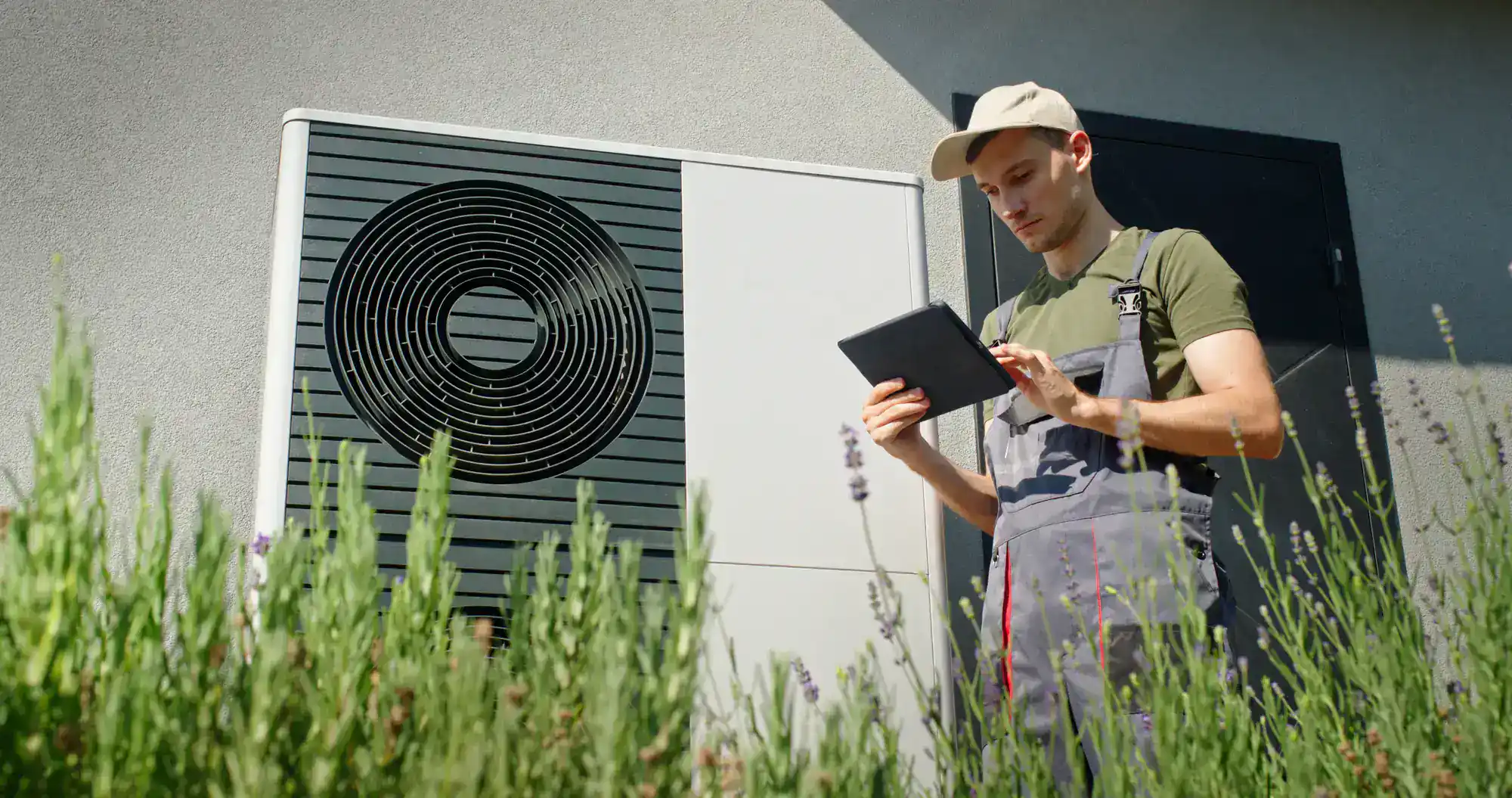
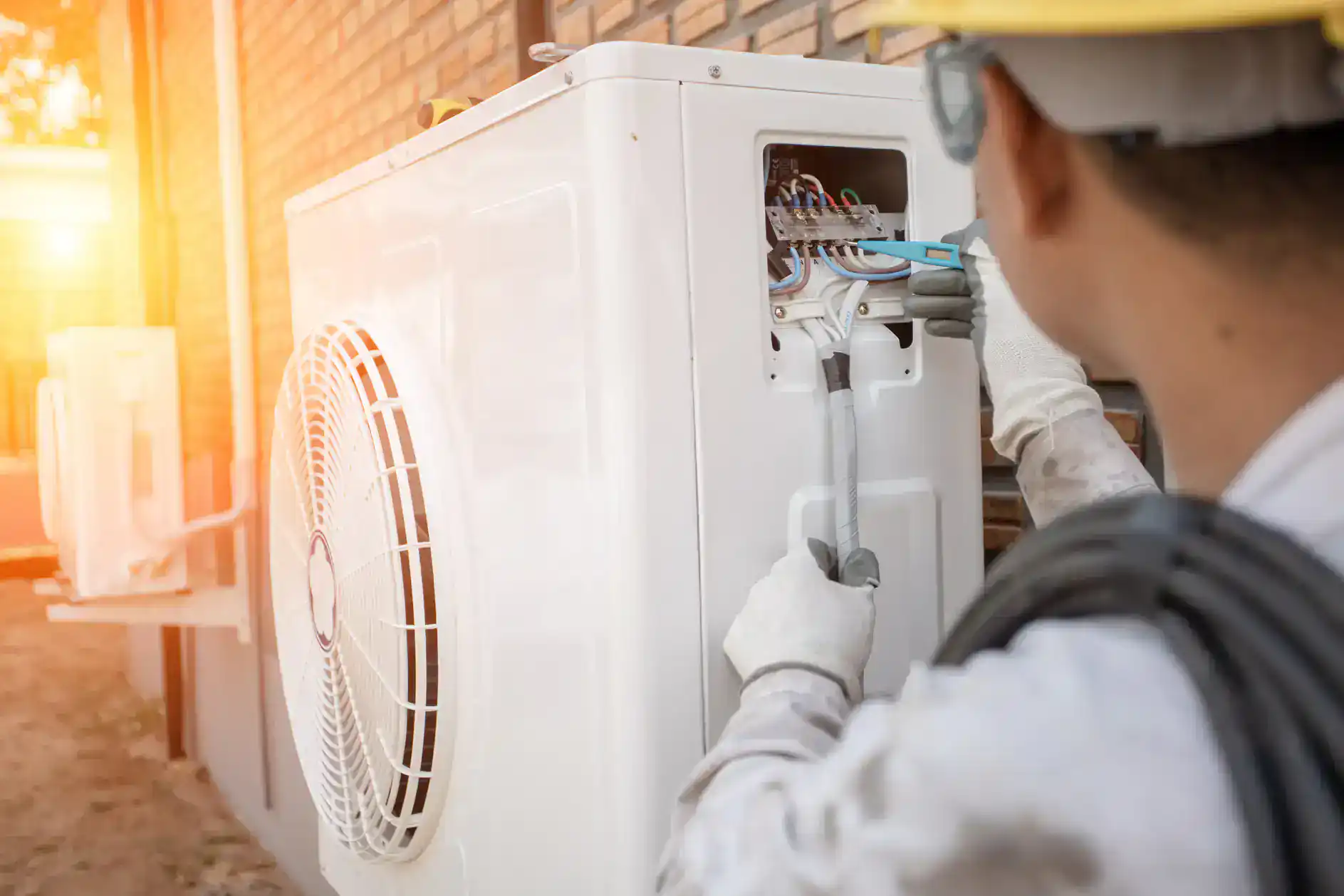
You’re looking at one system that handles both heating and cooling instead of running separate equipment. That means fewer moving parts to maintain, less energy wasted, and utility bills that drop by up to 40% compared to what you’re paying now with traditional HVAC.
Heat pumps move heat instead of creating it. In summer, they pull heat out of your home. In winter, they pull warmth from outside air and bring it inside. Texas climate makes this especially effective since our winters stay mild and our summers demand serious cooling power.
The upfront cost runs between $5,000 and $12,000 depending on your home’s size and the system you choose. But federal tax credits cover up to $2,000, and qualifying households can access rebates up to $14,000 through programs like HEEHRA. You start seeing savings on your very next utility bill, and over 15 years, you could put $10,000 back in your pocket through reduced energy costs.
Olmos Park homes built before World War II often need electrical panel upgrades or ductwork modifications. A proper heat pump installer in Olmos Park, TX will assess your home’s specific requirements during the initial consultation so there are no surprises when installation day arrives.
We’ve been handling HVAC installations across San Antonio since the early 1990s. We’re veteran-owned, locally operated, and we’ve seen every type of home challenge this area presents—from historic properties with tight attic access to modern builds needing high-efficiency systems.
Our technicians are licensed, certified, and trained specifically on heat pump technology and Texas climate conditions. We don’t subcontract installations. Every job gets handled by our team, and we stand behind the work with comprehensive warranties on parts and labor.
Olmos Park’s affluent community expects quality work done right the first time. Your $750,000+ home deserves an installation that protects your investment, maintains your property value, and delivers the comfort you’re paying for. We’ve built our reputation on transparent pricing, professional service, and 24/7 emergency support when you need it most.
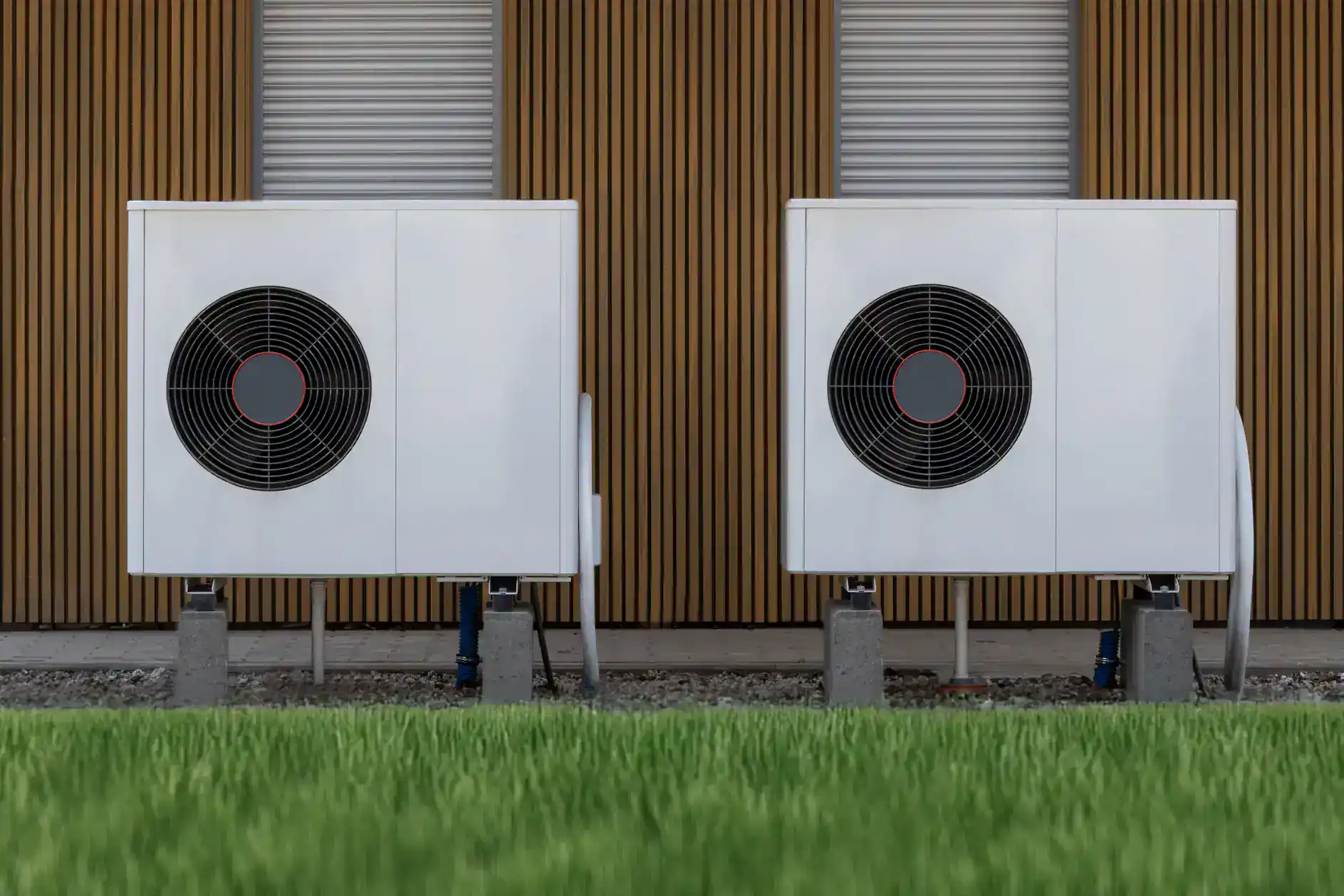
First, we schedule an in-home assessment to evaluate your current system, measure your home’s heating and cooling load, and check your electrical panel capacity. Older Olmos Park homes often need panel upgrades to handle modern heat pump systems, and we identify that upfront so you know exactly what the project involves.
Next, we provide a detailed quote that breaks down equipment costs, labor, any necessary electrical work, and available rebates you qualify for. No hidden fees. No surprise charges. You’ll know the total investment before we start.
Installation typically takes one to two days depending on your home’s setup. We remove your old equipment, install the new heat pump system, upgrade electrical components if needed, test the system thoroughly, and walk you through operation and maintenance. You’ll have heating and cooling throughout the process—we don’t leave you without climate control.
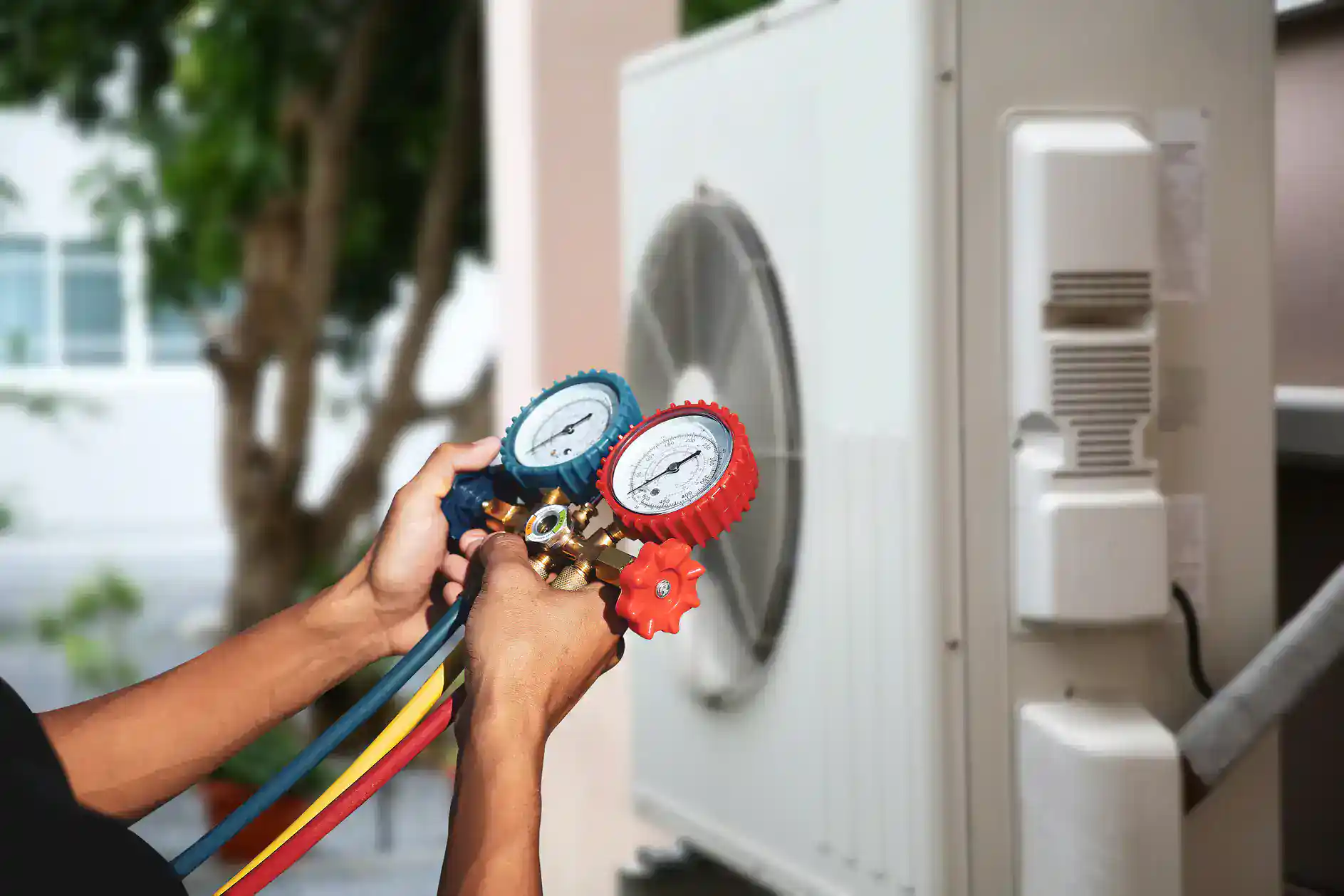
After installation, we schedule your first maintenance visit. Heat pumps run year-round, so they need professional servicing twice per year to maintain efficiency and catch small issues before they become expensive problems. We handle refrigerant checks, coil cleaning, electrical inspections, and filter replacements to keep your system running at peak performance.
Ready to get started?
Texas has more heat pumps installed than any other state—1.95 million homes already use them. That’s because our climate sits in the sweet spot for heat pump efficiency. We need powerful cooling all summer and just moderate heating in winter, which is exactly what heat pumps deliver best.
Modern systems operate effectively down to -10°F, and Olmos Park rarely sees temperatures that low. During our typical winter lows in the 30s and 40s, heat pumps run at peak efficiency. You get consistent warmth without the energy waste of electric resistance heating or the combustion byproducts of gas furnaces.
Your indoor air quality improves because heat pumps don’t burn fossil fuels inside your home. No combustion means no carbon monoxide risk, no gas leaks, and fewer airborne particles circulating through your living space. For families with allergies or respiratory sensitivities, that difference matters.
Energy efficiency translates to lower bills and reduced strain on Texas’s electrical grid. Switching to heat pumps would cut peak winter electricity demand equivalent to 40 new gas-fired power plants, avoiding over $5 billion in infrastructure costs. CenterPoint Energy and other Texas utilities now offer expanded rebates and time-of-use plans that save heat pump owners an additional 15-25% by running systems during off-peak hours.
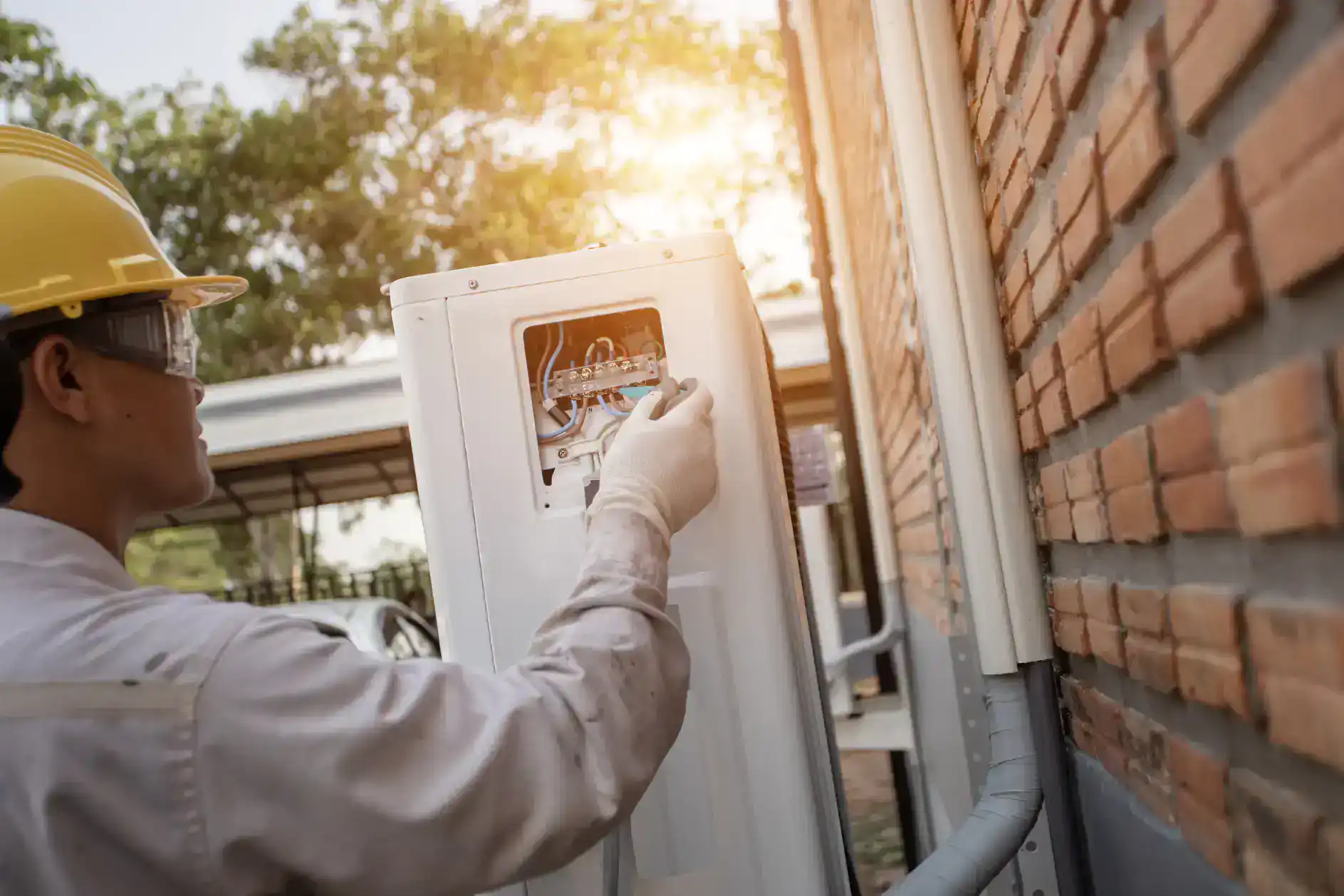
Heat pump system installation in Olmos Park typically runs between $5,000 and $12,000 depending on your home’s size, the system’s efficiency rating, and whether you need electrical upgrades. Larger homes over 3,000 square feet or properties requiring panel upgrades will land on the higher end of that range.
Federal tax credits cover up to $2,000 of the cost, and qualifying households can access HEEHRA rebates up to $14,000. Texas utilities like CenterPoint Energy also offer purchase incentives through ratepayer-funded efficiency programs. When you factor in these rebates and the 40% reduction in energy bills, most homeowners see positive ROI within 5-7 years.
Historic Olmos Park homes built before the 1940s sometimes need ductwork modifications or electrical panel upgrades to support modern heat pump systems. We identify these requirements during the initial assessment so your quote reflects the complete project cost upfront. No surprises, no hidden fees—just transparent pricing that lets you make an informed decision.
Yes, but there’s nuance here. Modern heat pumps operate effectively down to -10°F, and Olmos Park’s winter lows rarely drop below freezing for extended periods. During typical Texas winter weather in the 30s and 40s, heat pumps run at peak efficiency and keep your home comfortable without issue.
During rare cold snaps when temperatures stay below 25°F for multiple days, heat pump efficiency decreases and the system works harder. Most quality installations include auxiliary electric resistance heating that kicks in automatically when outdoor temps drop too low. You’ll still have heat—it just costs a bit more to run during those few extreme days per year.
The key is proper system sizing. An oversized heat pump will short-cycle, reducing efficiency and increasing wear. An undersized system will struggle during temperature extremes. We calculate your home’s specific heating and cooling load during the assessment to recommend the right size system for your square footage, insulation levels, and typical usage patterns. That ensures reliable performance year-round, even during unusual Texas weather.
Expect 15-20 years from a properly maintained heat pump system. Texas climate actually extends equipment life compared to regions with harsher winters because our mild heating season puts less strain on the compressor and mechanical components.
The catch is that heat pumps run year-round instead of sitting idle half the year like traditional furnaces. That means they need professional maintenance twice per year—once before cooling season and once before heating season. These visits include refrigerant level checks, coil cleaning, electrical connection inspections, and filter replacements. Skipping maintenance cuts your system’s lifespan and voids most manufacturer warranties.
We’ve seen well-maintained heat pumps in San Antonio homes run strong for two decades. We’ve also seen neglected systems fail after 8-10 years. The difference comes down to consistent professional servicing and addressing small issues before they cascade into major failures. Our maintenance plans keep your system running efficiently and catch problems early when repairs cost less and cause less disruption to your comfort.
Federal tax credits through the Inflation Reduction Act cover up to $2,000 for qualifying heat pump installations. This applies to Energy Star certified systems and can be claimed on your tax return for the year you complete the installation.
HEEHRA (High-Efficiency Electric Home Rebate Act) provides up to $8,000 for heat pump equipment and up to $6,000 for electrical panel upgrades, totaling $14,000 in potential rebates for qualifying households. Income limits apply—these rebates target low- and moderate-income families, with exact thresholds varying by household size and county median income.
Texas utilities including CenterPoint Energy offer additional purchase incentives through ratepayer-funded efficiency programs. These vary by service area and change periodically, but they typically provide $300-$1,000 rebates for high-efficiency heat pump installations. Some utilities also offer time-of-use electricity plans that reduce your per-kilowatt cost during off-peak hours, saving heat pump owners an additional 15-25% annually.
We help you identify which rebates and credits you qualify for during the initial consultation. We’ll provide the documentation you need for tax filing and rebate applications so you capture every dollar available.
Many Olmos Park homes built before the 1970s have 100-amp or 150-amp electrical panels that can’t safely handle modern heat pump loads along with your other electrical demands. Heat pumps typically require a dedicated 30-60 amp circuit depending on system size, and older panels often lack the capacity or available breaker slots.
We assess your electrical panel during the initial home evaluation. If you need an upgrade, we’ll include that cost in your quote upfront. Panel upgrades typically add $1,500-$3,000 to the project, but HEEHRA rebates cover up to $6,000 of electrical work for qualifying households, which often covers the entire upgrade cost.
Upgrading your panel isn’t just about the heat pump—it’s about safety and supporting your home’s total electrical needs. Older panels with outdated wiring create fire risks and can’t handle modern appliance loads. A panel upgrade protects your investment, brings your electrical system up to current code, and gives you capacity for future additions like EV chargers or kitchen remodels. It’s work that adds value to your property and eliminates a major safety concern.
System sizing depends on your home’s square footage, insulation quality, window efficiency, ceiling height, and typical occupancy. An oversized heat pump will short-cycle—turning on and off frequently—which reduces efficiency, increases wear on components, and creates temperature swings that hurt comfort. An undersized system will run constantly during temperature extremes and struggle to maintain your desired temperature.
We perform a Manual J load calculation during your assessment. This industry-standard process measures your home’s actual heating and cooling requirements based on construction details, orientation, shade coverage, and local climate data. It’s more accurate than the old rule of thumb (one ton of cooling per 500 square feet) that often leads to oversized installations.
Olmos Park’s historic homes present unique sizing challenges. High ceilings, original single-pane windows, and minimal insulation increase heating and cooling loads. But aggressive oversizing to compensate creates the short-cycling problem. We balance these factors to recommend a system size that maintains comfort efficiently without unnecessary equipment costs or operational issues. The goal is a system that runs in longer, steady cycles rather than constant on-off operation—that’s what delivers even temperatures and maximum efficiency.
Other Services we provide in Olmos Park
 Call Now