Your energy bill drops. Not by a little—by up to 70% compared to running separate heating and cooling systems. That’s real money back in your pocket every single month, and it adds up fast when you’re not paying to heat or cool the Texas outdoors.
The temperature stays consistent. No more hot spots in the bedroom or freezing mornings in the bathroom. Your heat pump moves heat instead of creating it, which means it works smarter and keeps every room comfortable without the constant cycling that wears out traditional systems.
You stop worrying about breakdowns. One system means one thing to maintain, one warranty to track, and one company to call. When you’re not juggling a furnace and an AC unit, life gets simpler. And when that system is installed right the first time by technicians who’ve been doing this for over two decades, it stays simpler.
Texas Air Repair is veteran-owned and locally operated, serving Leon Valley and the greater San Antonio area since day one. We’ve installed heat pumps through record-breaking summers, surprise freezes, and everything in between. That experience matters when you’re trusting someone with a system that needs to perform in 105-degree heat and the occasional 25-degree morning.
Our technicians are certified, licensed, and trained specifically on heat pump system installation. We’re not generalists trying to do everything—we focus on HVAC, and we do it right. When you call, you get someone who answers. When we schedule, we show up. When we quote a price, that’s the price.
Leon Valley homes face the same challenges as the rest of South Texas: high cooling costs, humidity that makes systems work overtime, and the need for reliable heating when cold snaps hit. We’ve been solving those problems for local families and businesses for over 20 years, and we’re available 24/7 when something goes wrong.
First, we assess your home. Not every heat pump is the same, and not every house needs the same system. We look at square footage, insulation, ductwork, and how your current system is performing. We measure the load, check for air leaks, and figure out what size and type of heat pump will actually keep you comfortable without wasting energy.
Then we give you options. You’ll see upfront costs, efficiency ratings, and what kind of savings you can expect on your monthly bills. We’ll explain federal tax credits—up to $2,000 for high-efficiency systems—and any rebates you qualify for. No pressure, no upselling. Just clear information so you can make the call that makes sense for your budget.
Installation day is straightforward. We remove your old equipment, install the new heat pump system, connect it to your existing ductwork (or upgrade ducts if needed), and test everything to make sure it’s running at peak efficiency. We walk you through the new system, show you how to use the thermostat, and answer any questions before we leave. Then we clean up, haul away the old unit, and you’re done.
After installation, we’re still here. You get a comprehensive warranty on parts and labor, and our 24/7 emergency service means you’re covered if anything ever goes sideways. We also recommend annual maintenance to keep your system running efficiently—most heat pumps last 15 to 20 years when they’re maintained properly, and we want yours to hit that mark.
Ready to get started?
Every heat pump installation in Leon Valley includes a full system evaluation, proper sizing calculations, and load analysis. We don’t guess—we measure. That’s how you avoid the most common mistake in HVAC: installing a system that’s too big or too small for the space it’s supposed to heat and cool.
You also get ductwork inspection and sealing if needed. Leaky ducts waste up to 30% of your conditioned air, which means you’re paying to cool your attic instead of your living room. We find those leaks, seal them, and make sure the air you’re paying for actually reaches the rooms you’re living in.
We handle all the paperwork for rebates and tax credits. The federal government offers up to $2,000 in tax credits for high-efficiency heat pumps, and Texas has additional rebate programs that can cover a significant chunk of your installation cost. We know which systems qualify, how to file the forms, and how to make sure you get every dollar you’re entitled to.
Leon Valley homes also benefit from our local knowledge. We understand how the Hill Country climate affects HVAC performance. We know which systems hold up best in high heat and humidity. And we know that when the temperature drops into the 20s—which happens more often than people think—you need a heat pump that can handle it or a backup system that kicks in automatically.
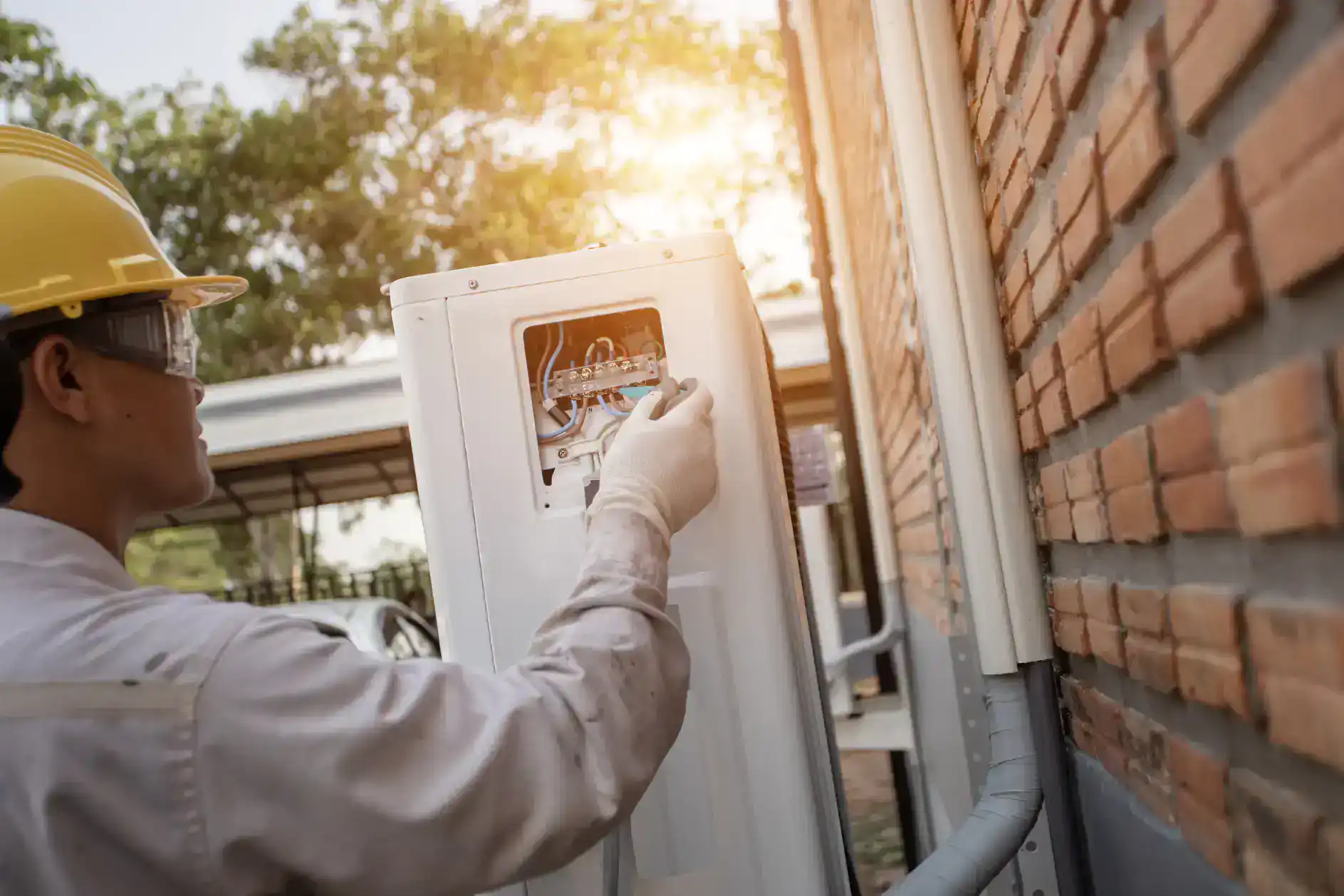
Heat pump installation in Leon Valley typically runs between $4,000 and $17,000 depending on the size of your home, the efficiency rating of the system, and whether your ductwork needs upgrades. Most homes fall in the $5,000 to $8,000 range for a quality system that’s properly sized and installed.
Here’s what affects the price: A 1,500-square-foot home needs a smaller system than a 3,000-square-foot home. Higher SEER ratings (which measure cooling efficiency) and HSPF ratings (which measure heating efficiency) cost more upfront but save more on monthly bills. If your ducts are old, leaky, or undersized, fixing them adds to the cost but also makes your new system work better and last longer.
Federal tax credits can cut up to $2,000 off your total cost, and rebate programs for moderate- and low-income households can cover 50% to 100% of installation costs depending on your income level. We help you navigate those programs so you’re not leaving money on the table. The bottom line: most Leon Valley homeowners see a return on investment within a few years just from energy savings alone.
Yes, modern heat pumps work efficiently down to about 25-30 degrees Fahrenheit, which covers the vast majority of winter days in Leon Valley. Even during the coldest months, temperatures here rarely stay below freezing for long, which means a heat pump handles your heating needs without issue most of the time.
For the rare extreme cold events—like the February 2021 freeze—you have options. Many homeowners choose a dual-fuel system that pairs a heat pump with a backup gas furnace or electric resistance heat. When temperatures drop below the heat pump’s efficient range, the backup system kicks in automatically. You get the efficiency of a heat pump 95% of the time and the reliability of backup heat when you need it.
The key is proper installation and sizing. An undersized heat pump will struggle even in mild weather. An oversized one will cycle on and off too frequently and waste energy. We calculate the exact load your home requires and install a system that matches it, so you’re not guessing whether it’ll keep up when the temperature drops.
Texas households that switch from electric resistance heating to a heat pump save more than $300 per year on average, according to state energy data. If you’re replacing both an old furnace and an aging AC unit, your savings can hit 50% to 70% depending on how inefficient your current system is.
Heat pumps are up to four times more efficient than traditional furnaces because they move heat instead of generating it. For cooling, they use about half the electricity of standard AC units. That efficiency translates directly to lower bills, especially during the summer months when Leon Valley homes are running AC almost nonstop.
Over 15 years—the typical lifespan of a well-maintained heat pump—you’re looking at potential savings of $10,000 or more. That’s after accounting for the upfront installation cost. Add in federal tax credits and rebates, and the payback period gets even shorter. The real question isn’t whether a heat pump saves money. It’s whether you want to keep overpaying for an outdated system that costs more to run and breaks down more often.
A regular AC unit only cools your home. A heat pump cools and heats, which means it replaces both your air conditioner and your furnace. It does this by reversing the refrigeration cycle—in summer, it pulls heat out of your house, and in winter, it pulls heat from the outside air and moves it inside.
That might sound strange (pulling heat from cold air), but it works because even cold air contains heat energy. Modern heat pumps can extract usable heat from outdoor temperatures as low as 25 degrees, which is colder than most winter days in Leon Valley. The process is far more efficient than burning gas or using electric resistance coils to create heat from scratch.
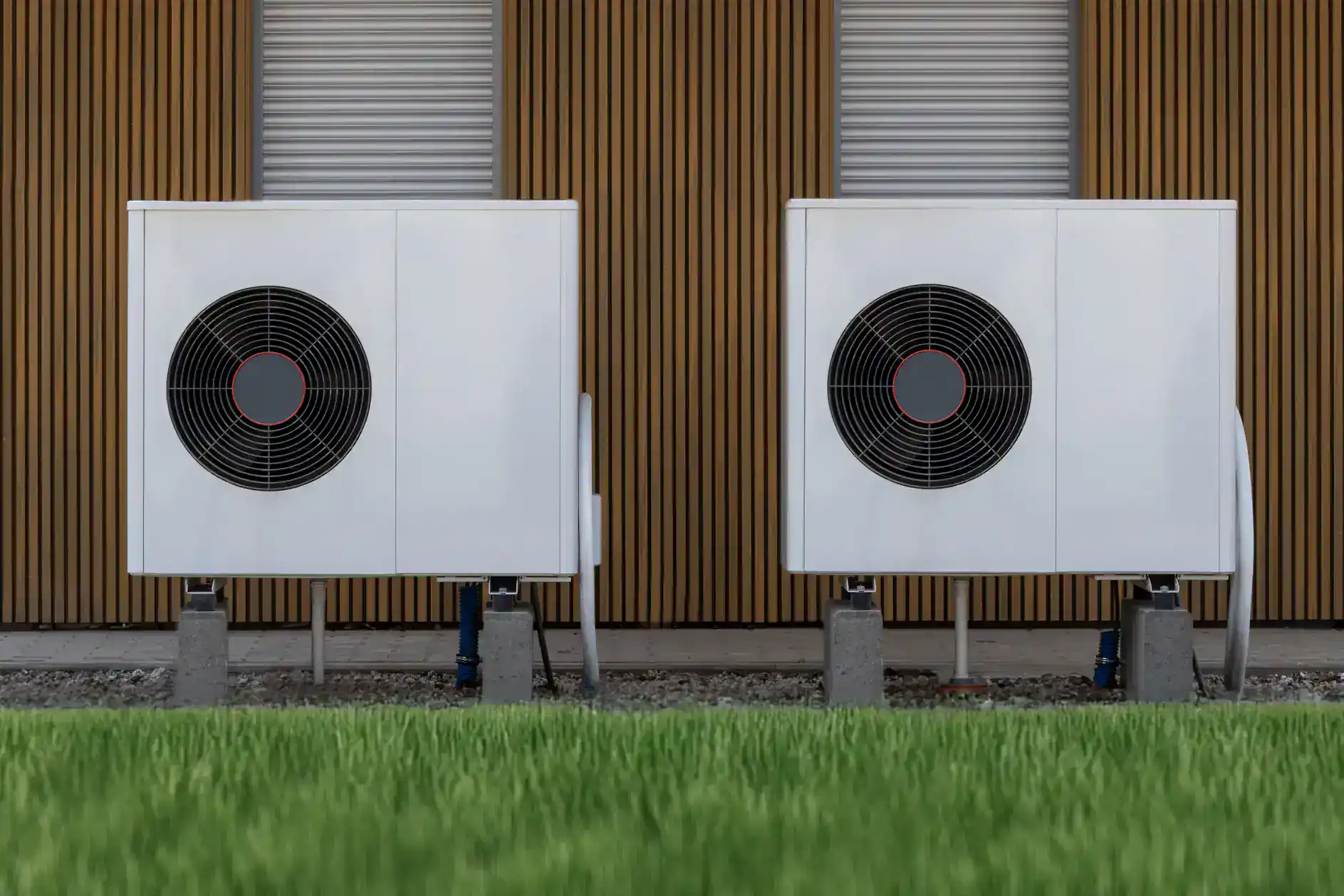
From the outside, a heat pump looks almost identical to a central AC unit. The difference is in the components and controls that allow it to reverse direction. Inside your home, you’ll have the same ductwork and vents. The big difference is on your energy bill and in the simplicity of maintaining one system instead of two.
Most heat pump installations in Leon Valley take one to two days depending on the complexity of the job. If your ductwork is in good shape and we’re doing a straightforward swap of an old system for a new heat pump, we can often finish in a single day. If we need to upgrade ducts, add zones, or install a dual-fuel backup system, it might stretch into a second day.
Here’s the typical timeline: We start by removing your old equipment and prepping the installation area. Then we set the outdoor unit, mount the indoor air handler, connect refrigerant lines, wire the electrical components, and tie everything into your existing ductwork. After that, we test the system, check refrigerant levels, calibrate the thermostat, and make sure every room is getting proper airflow.
We don’t rush. A heat pump that’s installed correctly will run efficiently for 15 to 20 years. One that’s installed in a hurry—undersized, overcharged with refrigerant, or connected to leaky ducts—will cost you money every month and break down sooner. We take the time to do it right the first time, which means you’re not calling us back to fix problems that shouldn’t exist.
Not always, but it depends on the condition and size of your existing ducts. If your ductwork is relatively new, properly sized, and sealed, we can usually connect the new heat pump without major changes. But if your ducts are old, leaky, or undersized for the new system, upgrading them makes a huge difference in performance and efficiency.
Leaky ducts are one of the biggest energy wasters in any HVAC system. If 30% of your conditioned air is escaping into your attic or crawlspace, your heat pump has to work 30% harder to keep your home comfortable. That means higher bills and more wear on the equipment. Sealing and insulating ducts pays for itself pretty quickly through lower energy costs.
During our initial assessment, we inspect your ductwork and let you know if it needs attention. Sometimes it’s a simple matter of sealing a few joints. Other times, sections need to be resized or replaced to match the airflow requirements of the new system. We give you the honest answer, not the most expensive one, because a heat pump is only as good as the ducts it’s connected to.
Other Services we provide in Leon Valley
 Call Now