You’re paying to heat your home in winter and cool it in summer—two separate systems, two separate headaches, and energy bills that make you wince. Heat pumps change that equation entirely.
A properly installed heat pump system handles both jobs using one piece of equipment. It moves heat instead of generating it, which is why Texas households switching from electric resistance heating save over $300 annually on utility bills. That’s real money back in your pocket, year after year.
Schertz’s climate is ideal for heat pump technology. Mild winters mean the system doesn’t strain to keep you warm, and our long, brutal summers are where modern heat pumps really shine—delivering powerful cooling without the energy waste of older AC units. You get consistent temperatures, better humidity control, and lower monthly costs.
Right now, federal tax credits cover up to $2,000 of your heat pump installation cost. Combined with the energy savings, most Schertz homeowners see payback within a few years. After that, it’s pure savings while your home stays comfortable no matter what the weather does.
We’ve been installing and servicing HVAC systems across Schertz and the greater San Antonio area for over 20 years. We’re veteran-owned, which means we show up on time, do what we say we’ll do, and treat your home like it’s our own.
Heat pump installation isn’t a one-size-fits-all job. Schertz homes vary—different sizes, different ductwork, different electrical setups. We size systems correctly, check your existing infrastructure, and make sure everything is installed to code and optimized for Texas conditions. No shortcuts, no guesswork.
You’ll work with certified technicians who’ve handled hundreds of installations in this area. We know the local climate demands, the building codes, and what actually works long-term in Schertz homes. And if something goes wrong at 2 a.m., we’re available 24/7 because HVAC emergencies don’t wait for business hours.
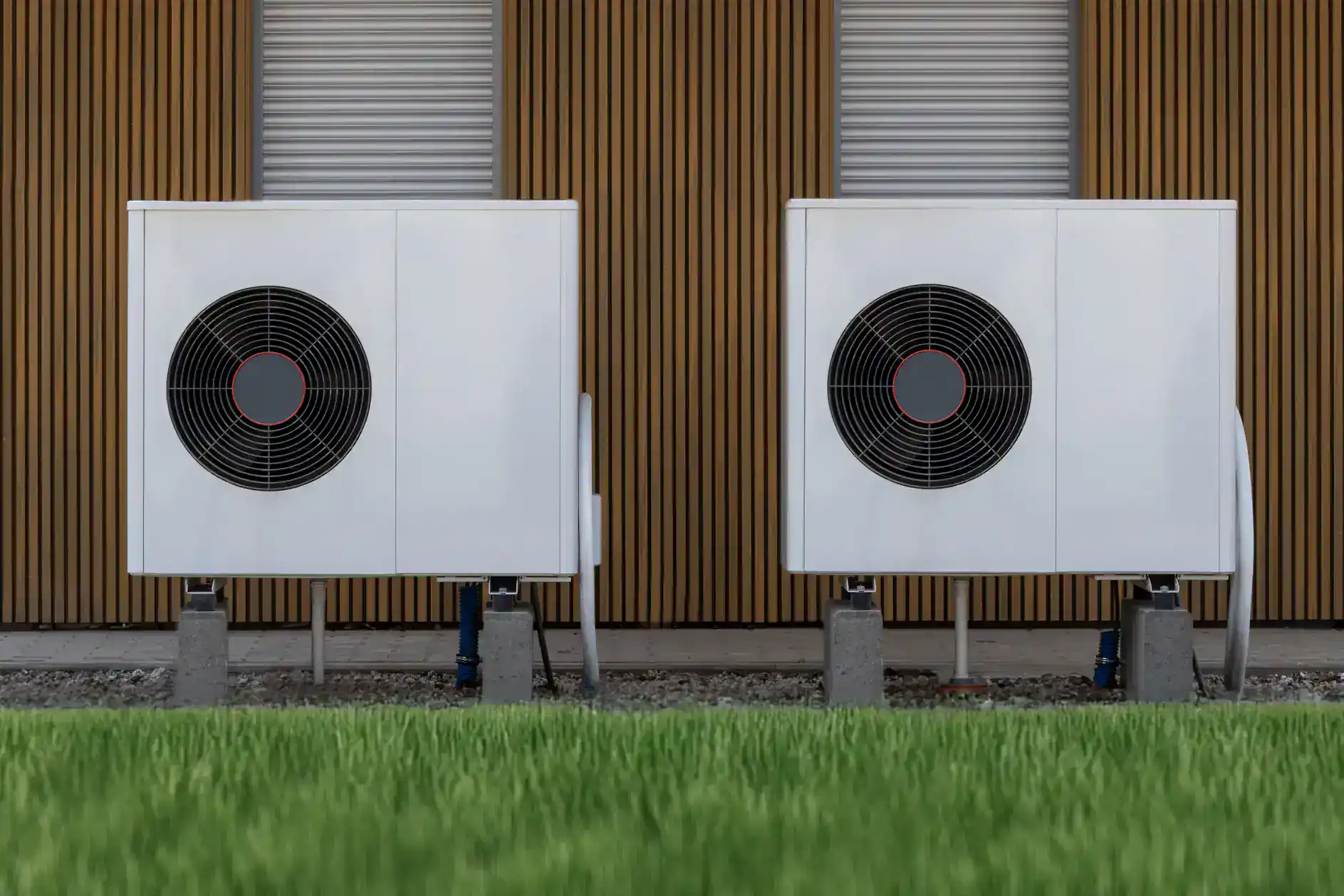
First, we come to your home and assess what you actually need. We measure your space, check your existing ductwork and electrical system, and calculate the right size heat pump for your home. Undersized units can’t keep up; oversized units short-cycle and waste energy. We get it right.
Once you approve the quote—no hidden fees, no surprises—we schedule installation at a time that works for you. Our crew arrives with everything needed to complete the job. We remove your old equipment if you’re replacing an existing system, install the new heat pump, connect it to your ductwork, run any necessary electrical work, and test everything thoroughly.
Before we leave, we walk you through how to operate your new system and answer any questions. We also register your equipment warranty and schedule your first maintenance visit. Most installations take one day, though homes needing electrical upgrades or ductwork modifications may take longer.
You’ll notice the difference immediately—quieter operation, more consistent temperatures, and better humidity control. Then you’ll see it again when your first energy bill arrives and it’s noticeably lower than usual.
Ready to get started?
Professional heat pump installation means more than just connecting equipment. We handle load calculations to determine the exact capacity your home needs based on square footage, insulation, windows, and Schertz’s climate patterns. This ensures your system runs efficiently without overworking.
We inspect and modify ductwork if needed. Heat pumps move air differently than traditional furnaces, so existing ducts sometimes need adjustments to maintain proper airflow. We also verify your electrical panel can handle the new system’s requirements and install any necessary upgrades to meet code.
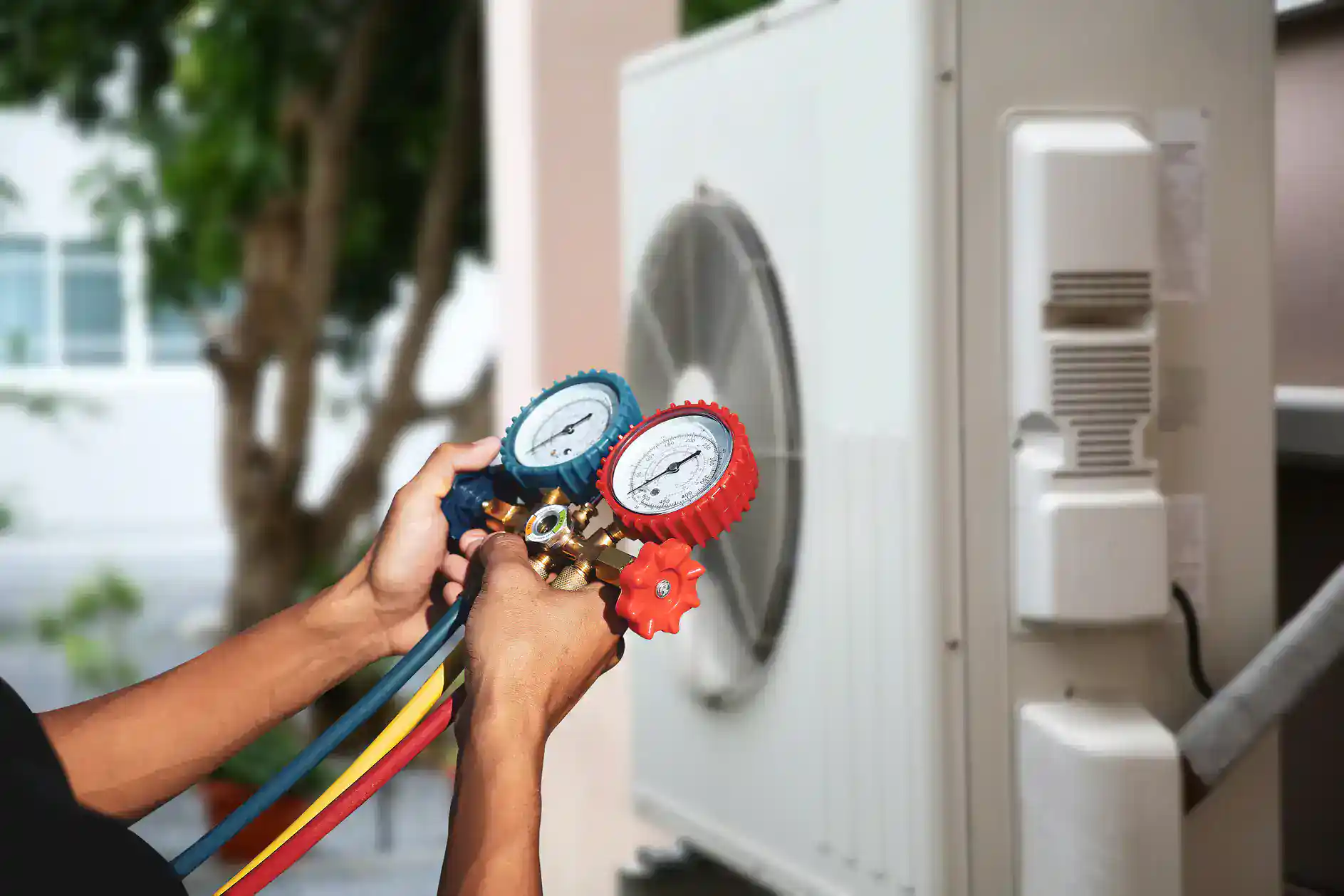
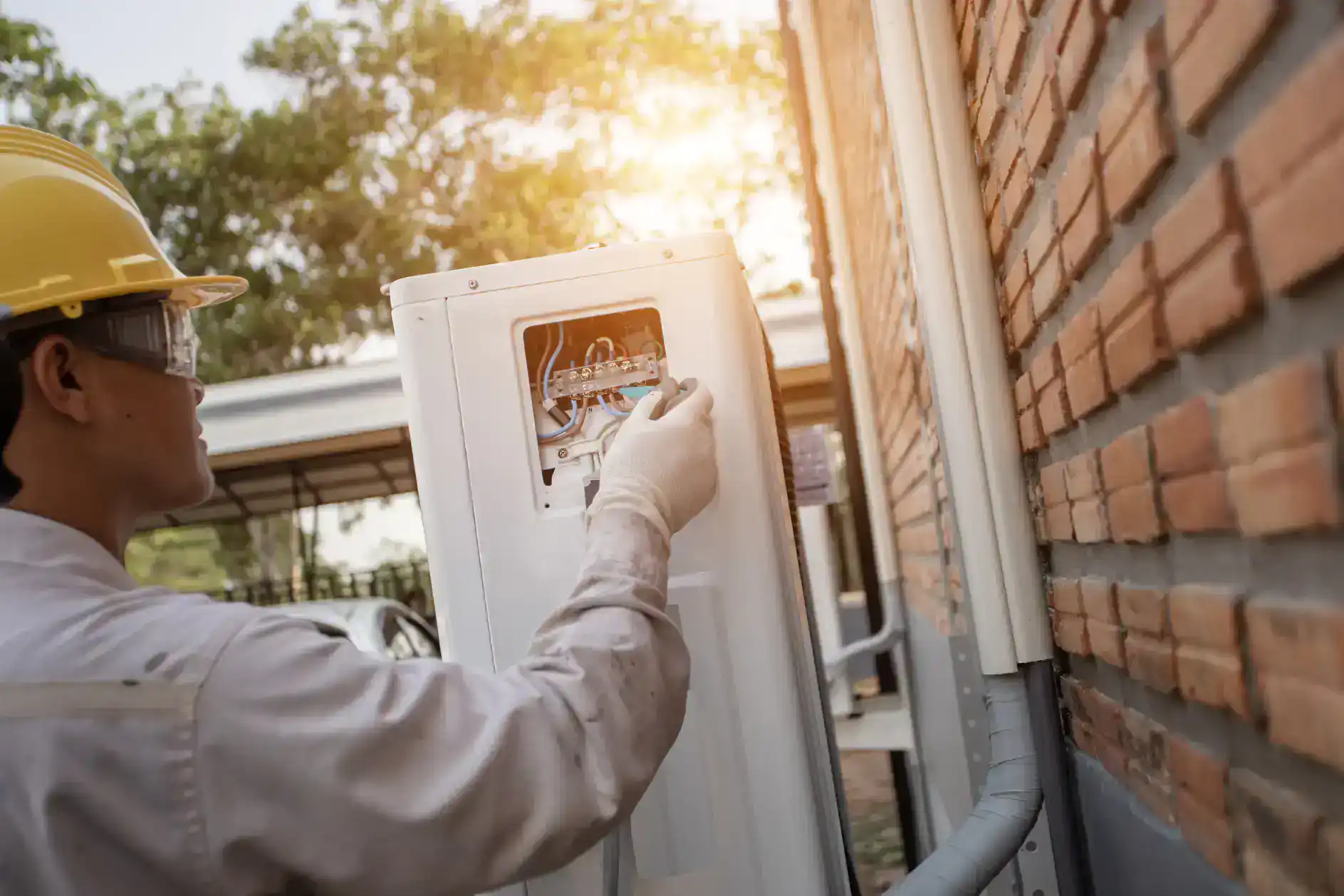
Installation includes refrigerant line sets, condensate drainage, thermostat setup (or upgrade to a programmable model), and complete system testing. We check airflow at every vent, verify refrigerant levels, test heating and cooling modes, and make sure your new heat pump is operating at peak efficiency before we consider the job done.
You’ll receive documentation on your system’s warranty, maintenance schedule, and filter replacement intervals. We also help you file for available federal tax credits and rebates—currently up to $2,000 for qualifying systems. That paperwork can be confusing, so we make sure you have what you need to claim those savings.
Heat pump installation in Schertz typically ranges from $5,000 to $12,000 depending on your home’s size, the system’s efficiency rating, and whether you need electrical or ductwork upgrades. That’s the full installed cost, not just the equipment.
Here’s what affects the price: A 1,500-square-foot home needs a smaller system than a 3,000-square-foot home. Higher SEER ratings (efficiency) cost more upfront but save more on monthly bills. If your electrical panel needs upgrading to handle the new system, that adds to the cost. Same with ductwork modifications.
Federal tax credits currently cover up to $2,000 of the installation cost for qualifying systems. When you factor in the $300+ annual energy savings most Schertz homeowners see, the system often pays for itself within 5-7 years. We provide transparent quotes before starting work, so you know exactly what you’re paying and why.
Yes. Schertz’s mild winters are actually ideal for heat pump technology. Modern heat pumps operate efficiently down to temperatures far below what we typically see here, usually around 25°F before efficiency drops noticeably.
During summer, heat pumps cool just as effectively as traditional air conditioners—because they’re essentially running the same refrigeration cycle, just in reverse. You won’t sacrifice cooling power by switching to a heat pump. In fact, many newer models outperform older AC units while using less electricity.
The 2021 winter storm was an outlier, not the norm. Even during that event, heat pumps with backup heat strips continued functioning. For the 95% of the year when Schertz weather is mild to hot, heat pumps deliver superior efficiency and comfort compared to traditional systems. That’s why they’re gaining popularity across Texas—they’re built for our actual climate, not northern winters.
Most heat pump installations in Schertz take one full day, typically 6-8 hours. That’s for a straightforward replacement where your existing ductwork and electrical system are compatible with the new heat pump.
If your home needs electrical panel upgrades, that adds time—usually another half day. Homes requiring ductwork modifications or repairs might take 1.5 to 2 days total. We’ll tell you the expected timeline during your initial assessment, before you commit to anything.
During installation, you’ll be without heating and cooling, so we schedule around weather and your availability. We work efficiently to minimize disruption, clean up completely when we’re done, and test everything thoroughly before we leave. You’ll have a functioning system the same day we start in most cases.
Heat pumps need less maintenance than traditional furnaces because there’s no combustion involved—no burners to clean, no gas lines to inspect. But they’re not maintenance-free.
You’ll need to change or clean the air filter every 1-3 months depending on usage and whether you have pets. Dirty filters restrict airflow and force the system to work harder, wasting energy and shortening its lifespan. This is something you can do yourself in about two minutes.
Professional maintenance should happen once a year, ideally in spring before cooling season hits hard. We check refrigerant levels, clean the outdoor coil, inspect electrical connections, test the reversing valve, and verify the system is operating efficiently. This annual service catches small issues before they become expensive repairs and keeps your warranty valid.
With proper maintenance, heat pumps last 15-20 years in Schertz. Skip the maintenance, and you’re looking at more frequent repairs and a shorter lifespan. The annual service costs less than one emergency repair call.
Yes, but older Schertz homes sometimes need upgrades to support a modern heat pump system. The two main concerns are electrical capacity and ductwork condition.
Many older homes have 100-amp or 150-amp electrical panels. Heat pumps draw significant power, especially during startup. If your panel is already near capacity, you might need an upgrade to 200 amps or a dedicated subpanel for the HVAC system. This is code-required and ensures safe operation.
Ductwork in older homes may have leaks, poor insulation, or sizing issues. Heat pumps require specific airflow to operate efficiently. We inspect your ducts during the assessment and recommend repairs or modifications if needed. Sometimes it’s minor sealing; sometimes sections need replacement.
These upgrades add to the upfront cost, but they’re investments in your home’s infrastructure. And they ensure your new heat pump operates safely and efficiently for its full 15-20 year lifespan. We’ll identify any necessary upgrades during your free assessment so there are no surprises.
A regular air conditioner only cools. It removes heat from your home and dumps it outside. When winter comes, you need a separate heating system—usually a furnace or electric resistance heaters.
A heat pump does both. In summer, it works exactly like an AC, cooling your home. In winter, it reverses the process and pulls heat from outside air (yes, even cold air contains heat energy) and moves it inside. One system, two functions.
The cooling performance is identical to a traditional AC with the same efficiency rating. But the heating is where heat pumps shine in Texas. Instead of generating heat by burning gas or using electric resistance coils, they move existing heat. This uses 2-3 times less energy than electric resistance heating, which is why Texas households save an average of $300+ annually after switching.
If you’re replacing an old AC anyway, installing a heat pump instead costs only slightly more upfront—often just a few hundred dollars. But you eliminate the need for a separate heating system and cut your energy bills significantly. For Schertz’s climate, it’s the smarter choice.
Other Services we provide in Schertz
 Call Now