

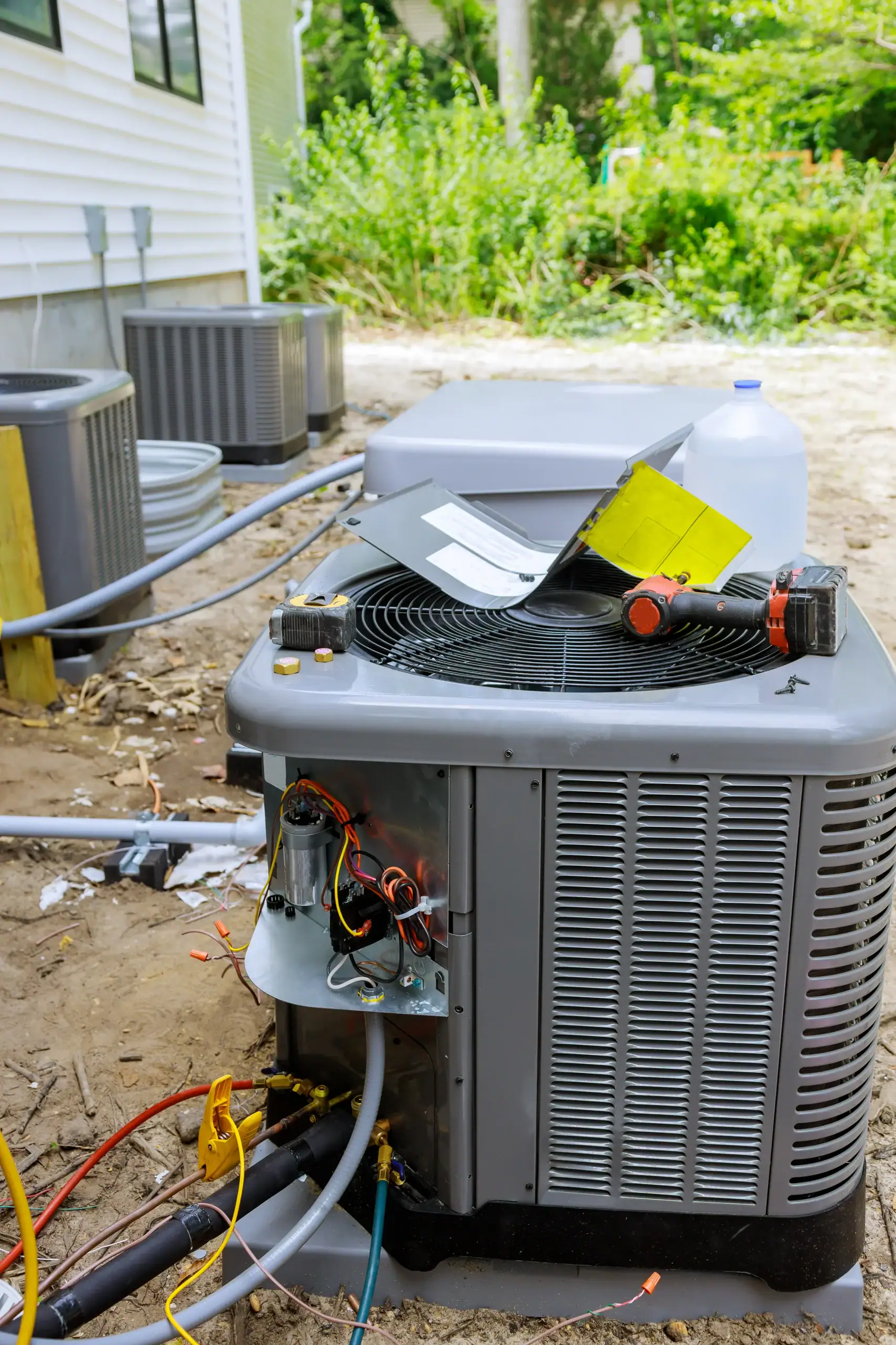
You’re not just swapping equipment. You’re eliminating the need for two separate systems while cutting the cost of running them both.
Heat pumps transfer heat instead of generating it by burning fuel. That’s why they can be up to four times more efficient than traditional heating systems. In San Antonio, where cooling dominates most of the year and heating needs are moderate, that efficiency translates directly to lower monthly utility bills.
Your system works when you need it. Cooling during brutal summer months when temperatures push past 100 degrees. Heating when winter evenings dip into the 40s. No switching between units. No maintaining two separate pieces of equipment. Just consistent comfort and fewer service calls throughout the year.
We’ve been handling commercial heating and cooling across San Antonio, Houston, and Austin for over 20 years. As a veteran-owned company, we get the work done right and keep communication straightforward.
When a system goes down mid-workday, response time determines whether you lose hours or days of productivity. That’s why we offer 24/7 emergency service with certified technicians who understand commercial heat pump systems and how to minimize business disruption. We’ve worked across industries—retail stores, office buildings, restaurants, warehouses, multifamily properties—and we understand what’s at stake when HVAC fails.
San Antonio’s climate demands reliable cooling and efficient heating. Our local experience means we know how systems perform in this specific environment and what businesses actually need to stay comfortable year-round.
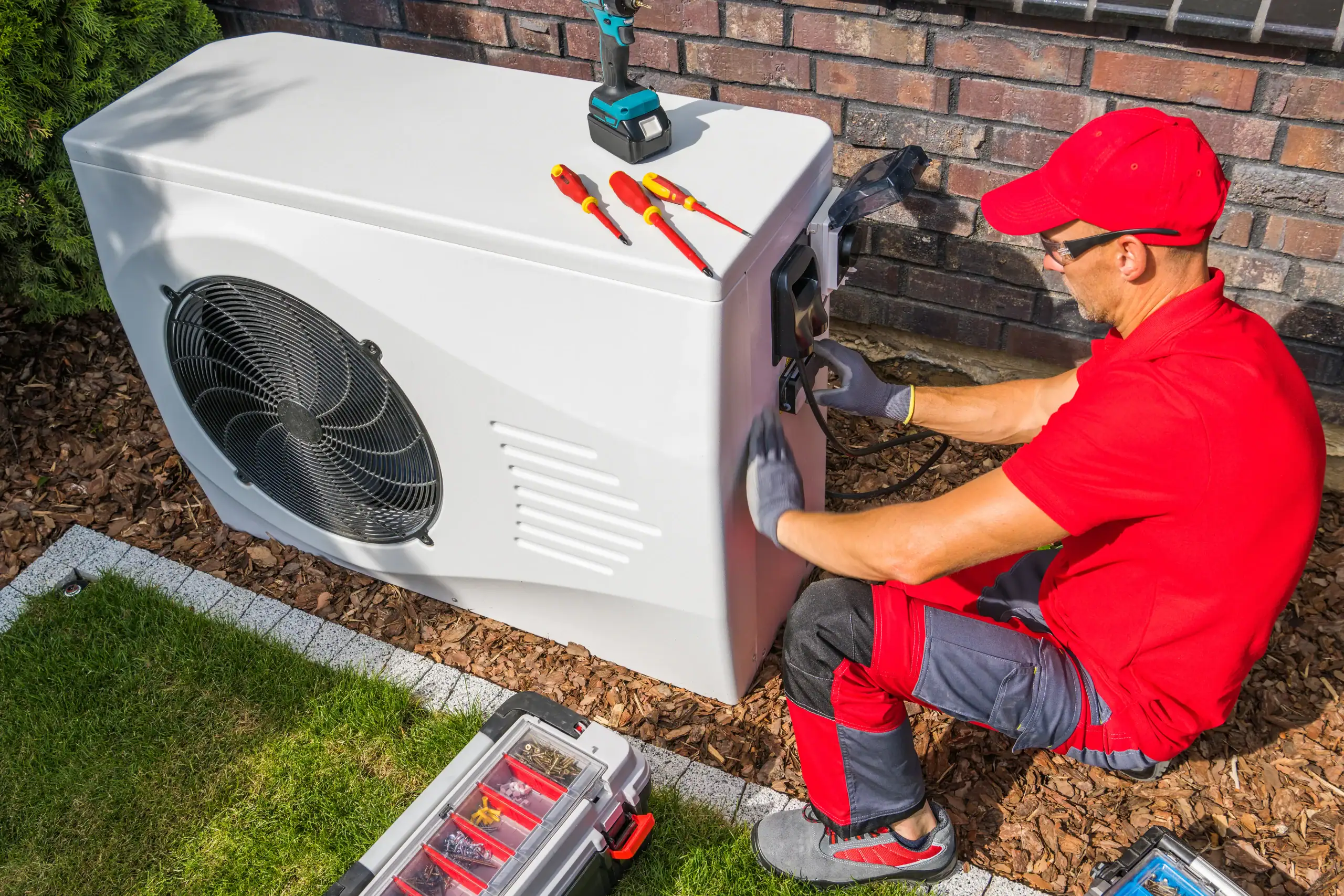
First, our technician evaluates your building. We measure square footage, assess ceiling height, check insulation quality, inspect existing ductwork, and analyze how your space gets used. This determines the right system size. Undersized units run constantly and wear out fast. Oversized units short-cycle, waste energy, and create temperature swings. Proper sizing prevents both problems.
Once the system is selected, we schedule installation around your business hours to minimize disruption. The outdoor unit gets positioned and secured on your roof or ground pad. Indoor components connect to existing ductwork, or new ductwork gets fabricated and installed if needed. Refrigerant lines run between units. Electrical connections get made. Everything gets tested against manufacturer specifications.
After installation, our technician walks you through system operation and maintenance requirements. You’ll know what to expect, how to adjust settings for different seasons, and when to schedule service. The goal is efficient operation from day one and reliable performance for the next 15-plus years.
Ready to get started?
Our commercial heat pump services cover installation, ongoing maintenance, and emergency repairs. Installation includes professional load calculations, equipment selection based on your building’s needs, expert setup, and complete system commissioning. You get a system sized correctly and installed to code.
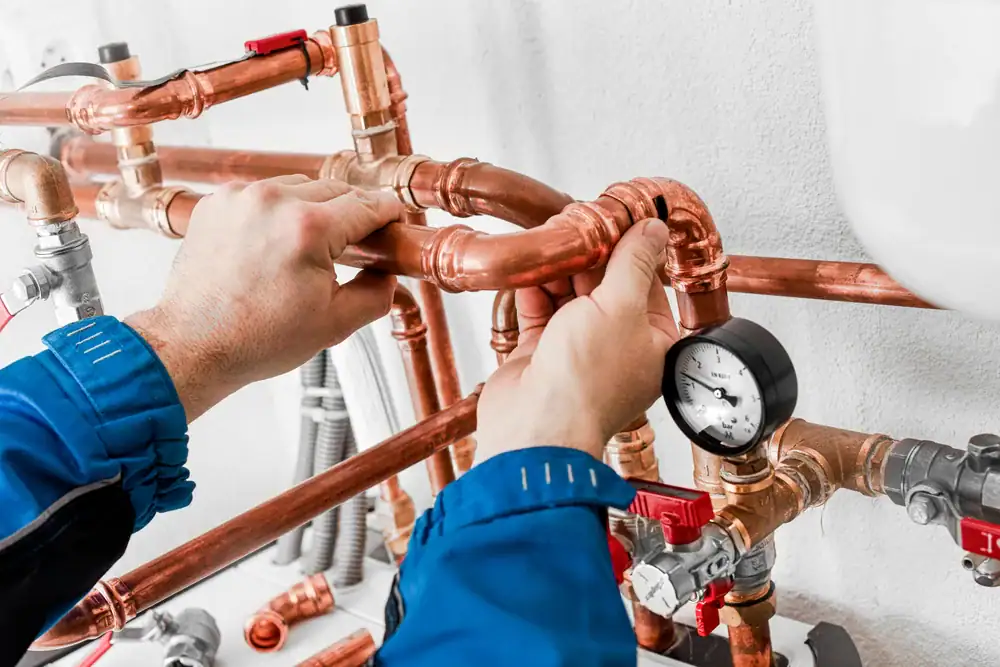
Maintenance keeps your system running efficiently in San Antonio’s demanding climate. Regular service catches small issues before they become expensive failures. Our technicians inspect refrigerant levels, clean coils that get clogged with dust and debris, check electrical connections, test control systems, and verify proper airflow throughout your ductwork. Quarterly or bi-annual maintenance extends equipment life significantly and prevents the energy waste that comes from neglected systems.
When repairs are needed, fast response matters. A failed heat pump in July means uncomfortable employees, lost productivity, and customers who’d rather shop somewhere cooler. Our 24/7 emergency service means you’re not waiting days for a callback. Our technicians arrive with common parts already stocked and the expertise to diagnose issues quickly and restore comfort.
Texas has more heat pumps installed than any other state, which works in your favor. Parts availability is excellent, technicians are experienced with these systems, and the infrastructure supports them. Your investment is backed by proven technology and local expertise that understands exactly how these systems perform in San Antonio’s climate.
Heat pumps can reduce energy usage by up to 50% compared to traditional commercial HVAC systems. Actual savings depend on your building size, insulation quality, current system efficiency, and how many hours per day your system runs.
Here’s why the savings are substantial. Heat pumps transfer heat rather than generate it by burning fuel. That fundamental difference makes them up to four times more efficient than electric resistance heating. In San Antonio’s climate, where cooling dominates eight to nine months of the year and heating needs are moderate, heat pumps operate in their most efficient mode for the majority of annual runtime.
Your savings appear in monthly utility bills, but also in reduced maintenance costs. One system handling both heating and cooling means fewer service calls, less equipment to maintain, and longer intervals between major repairs. Over a typical 15-year lifespan, those operational savings often justify the initial investment within three to five years, then continue delivering value for another decade.
Sizing requires a professional load calculation based on your building’s square footage, insulation levels, ceiling height, window area, occupancy patterns, and heat-generating equipment. There’s no shortcut, and guessing costs you money every month.
Undersized systems run constantly trying to maintain temperature, which increases wear and energy costs while never quite achieving comfortable conditions. Oversized systems short-cycle, turning on and off repeatedly throughout the day. That wastes energy, creates temperature swings, increases humidity problems, and shortens equipment life dramatically. At least 25% of commercial rooftop HVAC units are oversized, which means a quarter of businesses are paying more than necessary for worse performance.
A proper evaluation takes about an hour. Our technician measures your space, evaluates insulation and existing airflow, considers your operating hours and typical occupancy, and runs the calculations. You get a system matched to your actual needs, not a rough guess based on square footage alone. That precision translates to lower bills and better comfort from the first day of operation.
Most commercial heat pump installations take one to three days depending on system complexity, building size, and whether new ductwork is required. The timeline gets established after an initial site assessment, and installation gets scheduled to minimize disruption to your business operations.
Straightforward replacements where existing ductwork is in good condition and the new system matches the old configuration usually finish in one to two days. New installations requiring ductwork fabrication, electrical service upgrades, or structural modifications can take three days to a week. Complex multi-zone systems for larger commercial buildings may require additional time for proper setup and testing.
We work around your schedule. If you need installation during off-hours or weekends to avoid interrupting business operations, we factor that into the planning. The goal is minimizing downtime while ensuring installation is done correctly. Rushing the job to save a few hours creates problems that cost far more in repairs and lost efficiency than the temporary inconvenience of a thorough, professional installation.
Commercial heat pumps require maintenance at least twice per year because they operate year-round. Regular service includes inspecting refrigerant levels, cleaning condenser and evaporator coils, checking electrical connections and controls, testing safety systems, verifying proper airflow, and replacing filters. This prevents most breakdowns and maintains peak efficiency.
Spring and fall are optimal times for maintenance visits. Before cooling season starts, our technicians ensure your system is ready for San Antonio’s summer heat. Before heating season begins, we verify everything functions properly for cooler months. Each visit catches small issues like dirty coils, low refrigerant charge, or worn components before they cause complete system failures during your busiest seasons.
Skipping maintenance costs more than scheduling it. A neglected heat pump works harder, consumes more energy, breaks down more frequently, and wears out years earlier than it should. Regular service extends equipment life from 15 years to potentially 20-plus years. It also maintains warranty coverage, since most manufacturers require documented maintenance as a condition of warranty claims. The few hundred dollars invested in annual service saves thousands in premature replacement costs and emergency repair bills.
Yes. Commercial heat pumps are engineered to handle San Antonio’s climate, and Texas has more heat pumps installed than any other state precisely because they perform well here. Modern systems operate efficiently in temperatures well above 100 degrees, which covers even the most extreme San Antonio summer days.
Heat pumps cool by transferring heat from inside your building to the outdoors. As outdoor temperatures rise, the system works harder, but that’s true of any air conditioning equipment. Quality commercial heat pumps include features like two-stage compressors and variable-speed fans that adjust output to maintain efficiency even during peak heat conditions. They’re designed for exactly this type of climate.
The key is proper installation and regular maintenance. An undersized system or one with low refrigerant will struggle regardless of outdoor temperature. A correctly sized, professionally installed, and regularly maintained heat pump handles San Antonio summers without issue while using less energy than traditional systems. You also get the advantage of one system providing both heating and cooling, which eliminates the complexity of maintaining separate equipment and ensures you’re ready for temperature swings in any season.
Commercial air-to-air heat pumps typically last 15 years with proper maintenance. Water-to-air heat pumps can last 19 years or longer. Those numbers assume regular service, prompt repairs when issues arise, and correct installation from the start.
Lifespan depends heavily on maintenance habits. A heat pump that receives quarterly or bi-annual service, has filters changed on schedule, and gets prompt attention when small issues appear will outlast a neglected system by years. The difference between 12 years and 20 years of service life often comes down to whether maintenance was treated as optional or essential.
Installation quality also determines longevity. A system installed correctly, sized properly for the building, and configured according to manufacturer specifications starts its operational life with the best chance of reaching or exceeding expected lifespan. Poor installation creates stress on components, reduces efficiency, and leads to premature failures that could have been avoided. That’s why choosing an experienced commercial HVAC company matters as much as selecting quality equipment. Our 20-plus years installing commercial heat pumps in San Antonio means we understand exactly what it takes to maximize system longevity and deliver reliable performance throughout the equipment’s entire service life.
Other Services we provide in San Antonio
 Call Now