Summary:
You know how Austin summers go. One week it’s pleasant, the next you’re staring at triple-digit forecasts for the next three months straight. Your air conditioner shifts from occasional use to running nearly 24/7, and that’s when problems show up. A system that seemed fine in April can struggle or fail completely by July when you need it most. The good news is that most summer AC breakdowns are preventable if you take action before the heat arrives. This isn’t about complicated technical work—it’s about understanding what your system needs to handle months of heavy use and making sure those needs are met before the first heat wave hits.
Why AC Preparation Matters in Austin
Austin’s climate is uniquely hard on air conditioning systems. You’re not dealing with a few hot weeks—you’re looking at months where your AC runs constantly, often from May through September. Temperatures routinely climb past 95 degrees, and in recent years, the city has seen 30 or more days above 100 degrees in a single summer.
That kind of sustained demand puts stress on every component in your system. Compressors work overtime. Refrigerant levels matter more. Dirty filters that might not cause problems in milder climates can choke your system’s efficiency here. When your AC is running 3,000 to 4,000 hours per year, small issues don’t stay small for long.
The difference between a system that makes it through summer and one that fails mid-season often comes down to preparation. Catching wear before it becomes failure. Cleaning components before they’re completely clogged. Making sure refrigerant levels are right before your system has to work at full capacity for weeks on end.
What happens when you skip AC maintenance before summer
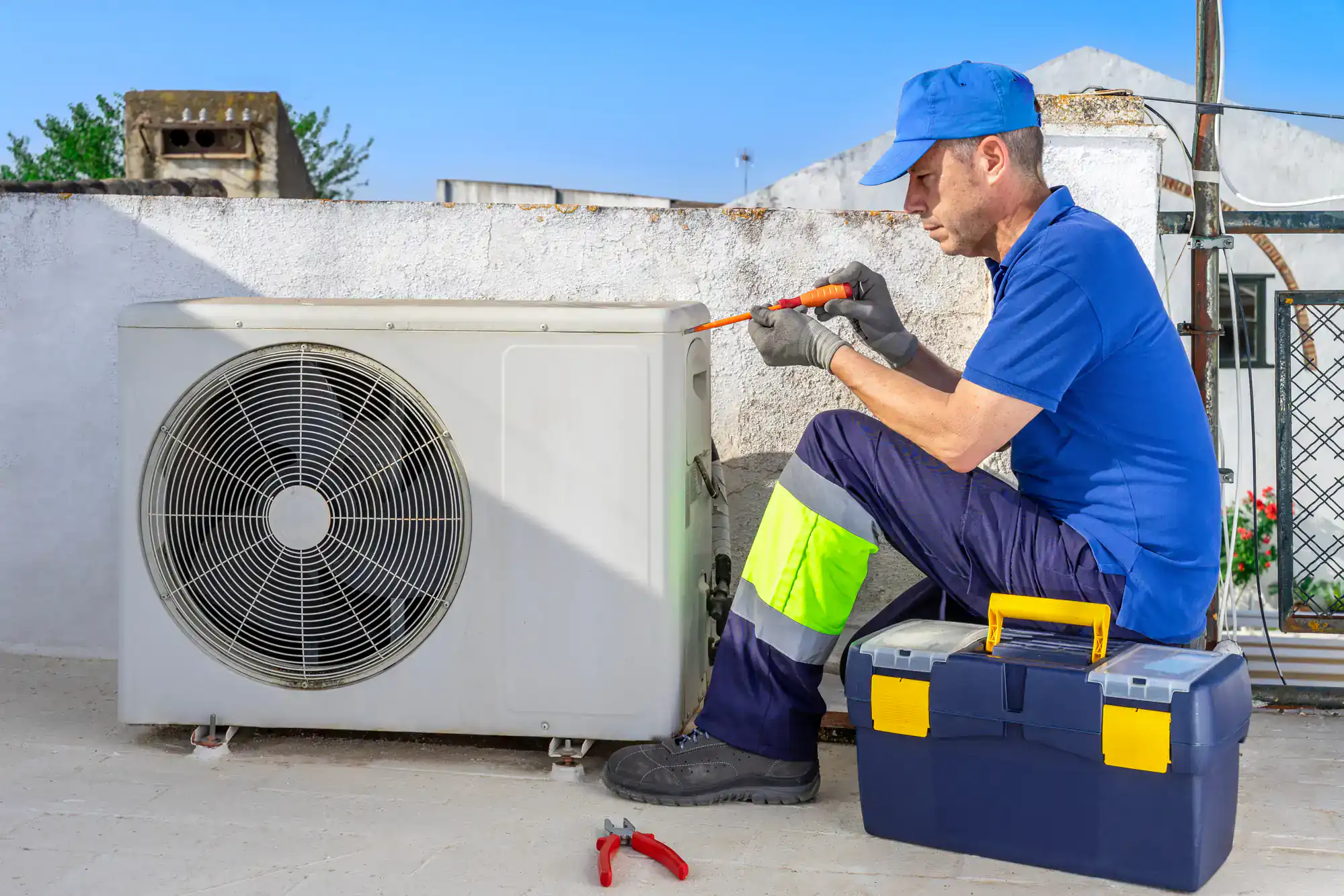
Skipping pre-summer maintenance doesn’t always cause immediate failure, but it sets you up for problems when conditions get extreme. Your air conditioner might handle the first few hot days fine, then struggle as temperatures stay high day after day.
Dirty coils reduce your system’s ability to transfer heat effectively. That means your AC runs longer cycles to achieve the same cooling, using more energy and putting more wear on components. A system that could cool your home in 15-minute cycles might run for 25 or 30 minutes instead, and those extra minutes add up over a summer of constant use.
Refrigerant issues are another common problem that develops gradually. A small leak might not affect performance much in moderate weather, but when your system is working at capacity during a heat wave, that reduced refrigerant level means reduced cooling power. Your AC runs constantly but can’t maintain comfortable temperatures, and you’re left calling for emergency service when every HVAC company in Austin is backed up for days.
Electrical components fail more often on systems that haven’t been maintained. Capacitors weaken over time, and a capacitor that’s borderline in April can fail completely in July when heat stress pushes it over the edge. Contactors develop pits and burns that eventually prevent proper operation. These aren’t expensive parts, but when they fail during peak season, you’re stuck waiting for service while your house heats up.
The cost difference between preventive maintenance and emergency repair is significant. A pre-season tune-up typically costs a few hundred dollars and prevents most common failures. An emergency service call during a heat wave can easily run twice that amount, plus you’re dealing with the discomfort and inconvenience of waiting for service during the busiest time of year for HVAC companies.
Beyond the financial cost, there’s the health and safety factor. Austin has seen heat-related deaths in recent years, with 2023 seeing over 300 heat fatalities across Texas. When temperatures inside your home climb into the 90s because your AC failed, that’s not just uncomfortable—it can be dangerous, especially for elderly family members, young children, or anyone with health conditions.
How Austin's climate specifically affects your AC system
Austin sits in a unique climate zone that combines intense heat, moderate humidity, and long cooling seasons. This combination creates specific challenges that don’t exist in drier or milder climates.
The heat itself is obvious—when outdoor temperatures hit 100 degrees or higher, your AC has to work much harder to maintain a comfortable 75 degrees inside. That’s a 25-degree temperature differential, and every degree of difference requires more energy and creates more stress on your system. In milder climates where the outdoor temperature might only be 85 degrees, the same indoor temperature requires far less work from the cooling system.
Humidity adds another layer of complexity. Austin isn’t as humid as Houston, but it’s far from dry, especially during spring and early summer when rainfall is more common. Your air conditioner has to remove moisture from the air in addition to cooling it, and that dehumidification process requires additional energy and puts extra load on your system.
Attic temperatures in Texas homes can reach 150 degrees during summer, and many AC systems have components installed in attics. That extreme heat affects the performance and lifespan of air handlers, ductwork, and other equipment. Insulation helps, but the reality is that your system is working in an environment that’s far hotter than the outdoor temperature.
The extended cooling season means your AC doesn’t get much rest. In northern climates, air conditioners might run heavily for two or three months, then sit idle for the rest of the year. In Austin, you might need cooling from April through October, and even winter months can have warm days that require AC use. That extended runtime accelerates wear on all components.
Dust and pollen levels in Central Texas also affect AC performance. The outdoor unit pulls in air constantly, and that air carries dust, pollen, and other particles that accumulate on condenser coils and reduce efficiency. Without regular cleaning, these coils become less effective at releasing heat, forcing your system to work harder and use more energy to achieve the same cooling.
These climate factors don’t mean your AC is doomed to fail—they just mean that preparation and maintenance matter more here than in milder climates. A system that receives proper care before summer can handle Austin’s heat reliably. One that doesn’t is working at a disadvantage from day one.
Essential Steps to Prepare Your AC for Summer Heat
Preparing your AC for summer involves both tasks you can handle yourself and professional services that require trained technicians. The DIY steps are straightforward and make a real difference in how your system performs. The professional work addresses components and systems that require specialized knowledge and tools.
Start with the simple stuff—your air filter. This is the single most impactful thing you can do yourself. A clean filter allows proper airflow through your system. A dirty one restricts airflow, makes your AC work harder, and can lead to frozen coils or compressor failure. Check your filter monthly during heavy use and replace it when it looks dirty. Don’t wait for the recommended three-month interval if your filter is already clogged.
The outdoor unit needs attention too. Clear away any debris, leaves, or vegetation that’s grown too close. Your condenser needs at least two feet of clearance on all sides for proper airflow. Trim back bushes, remove accumulated leaves, and make sure nothing is blocking the unit. You can also gently rinse the exterior fins with a garden hose to remove surface dust and pollen, but avoid using high pressure that could bend the delicate fins.
What professional AC maintenance actually includes
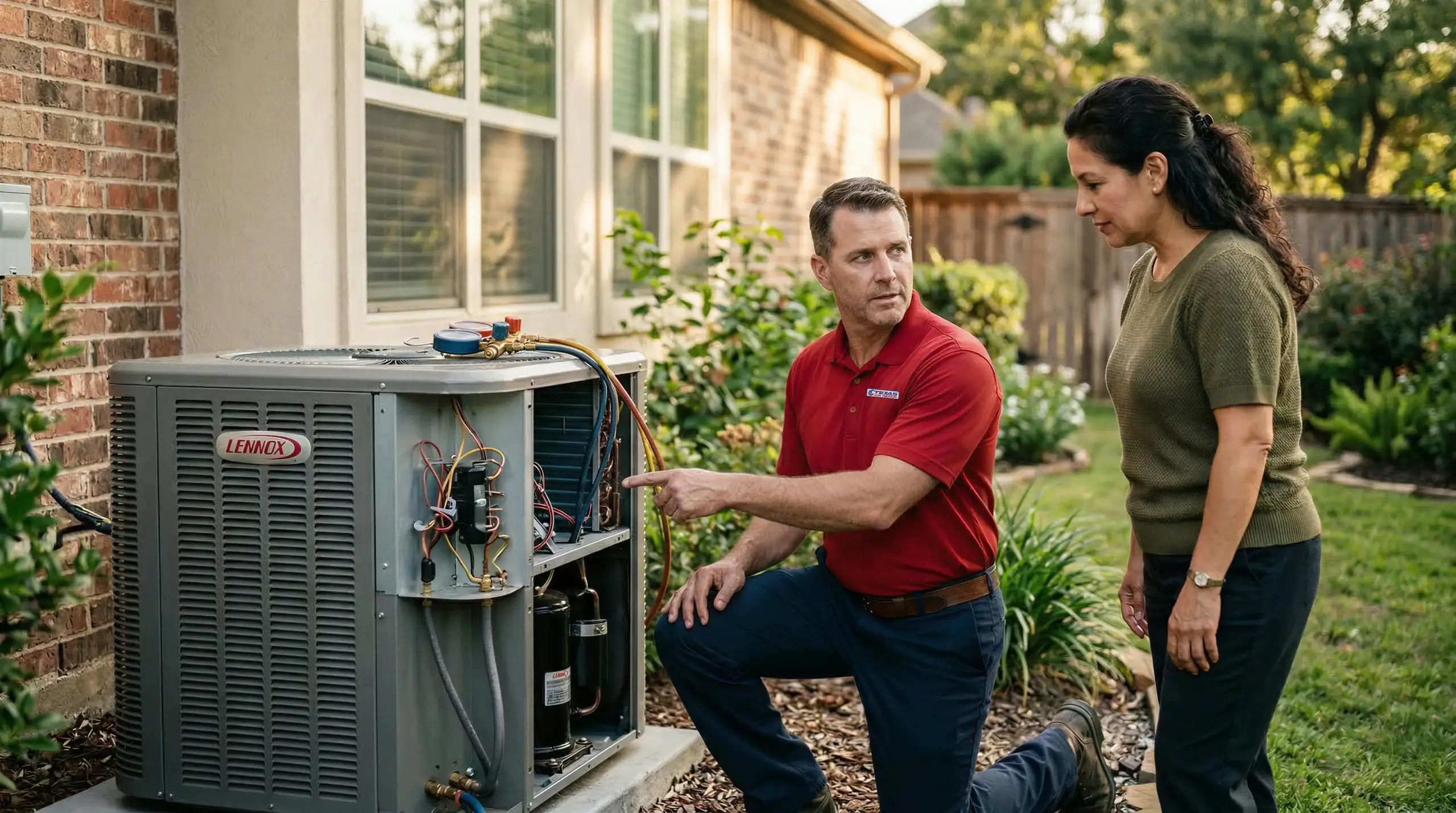
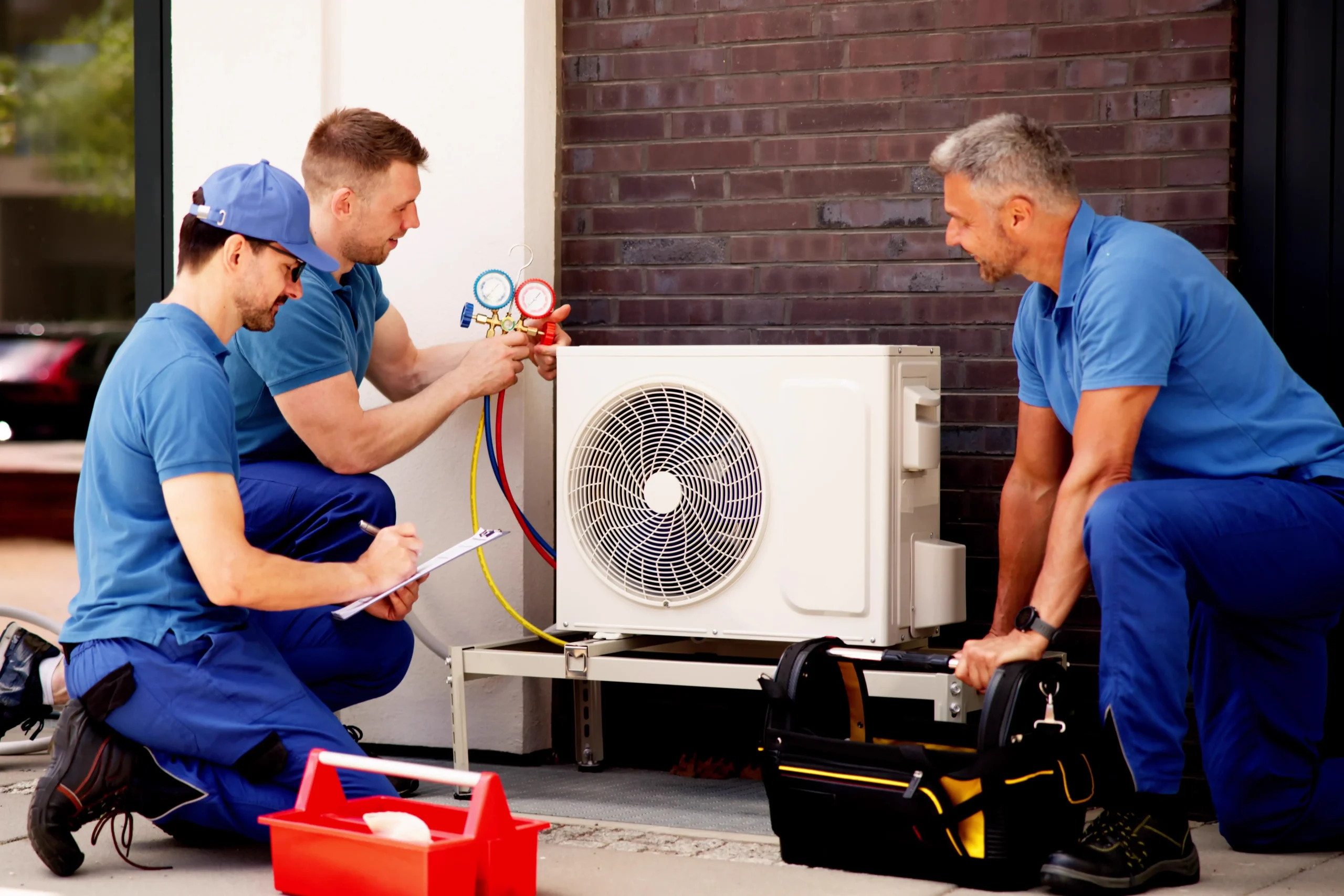
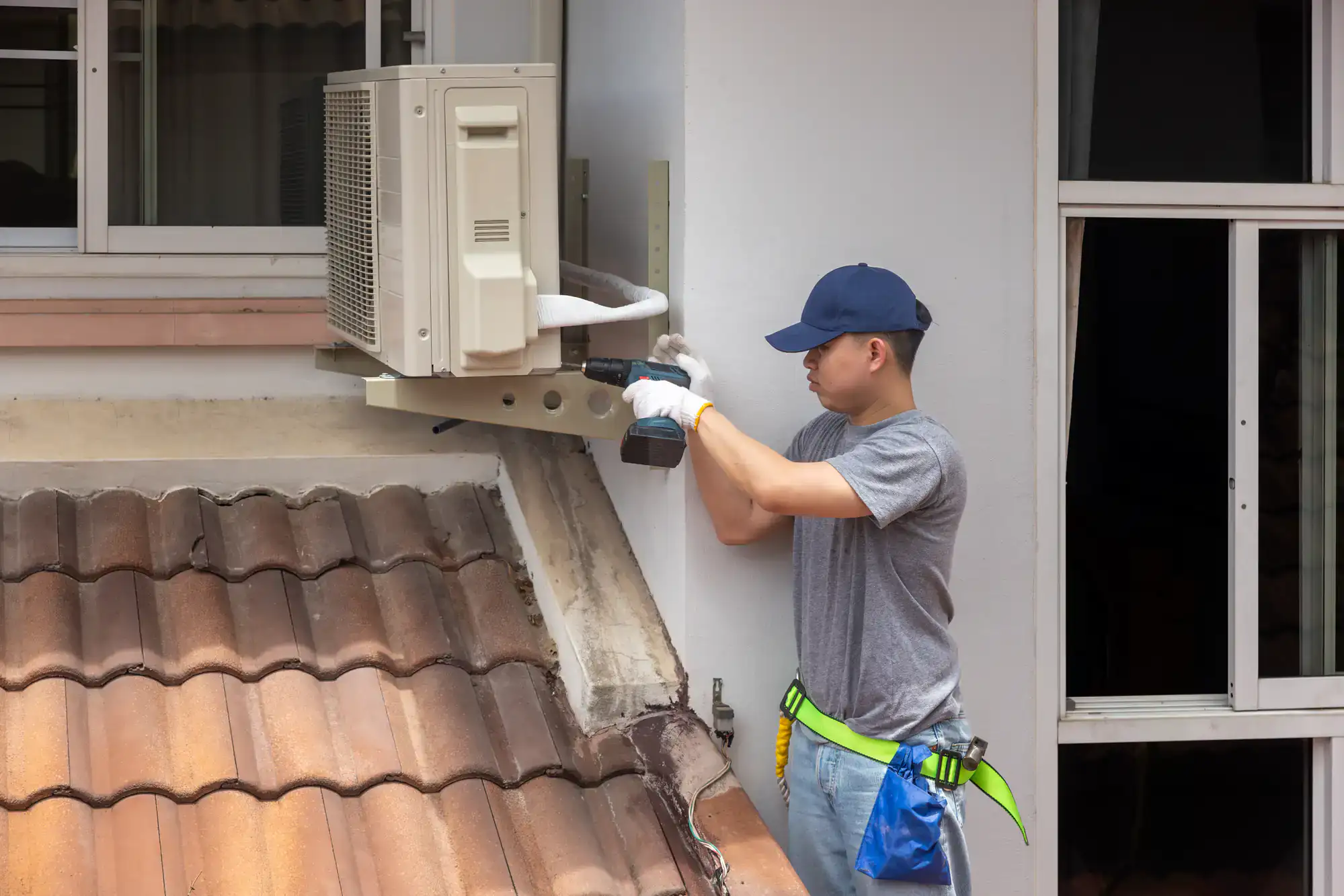
Professional AC maintenance goes beyond what you can do yourself and addresses the components that actually cause most summer breakdowns. A comprehensive tune-up from a qualified technician typically includes inspection, cleaning, and testing of all major system components.
Refrigerant levels get checked and adjusted if needed. Low refrigerant doesn’t just reduce cooling power—it can cause your compressor to work harder and fail prematurely. Our technicians check for leaks, measure refrigerant pressure, and add refrigerant if levels are low. This isn’t something you can do yourself, and it’s critical for proper AC performance.
Electrical components receive thorough inspection and testing. Capacitors are tested to ensure they’re providing proper electrical support to motors. Contactors are examined for pitting or burning that could cause failure. Wiring connections are checked for tightness and signs of overheating. These electrical issues are among the most common causes of AC failure, and catching them early prevents breakdowns.
Coils get professionally cleaned during maintenance. Both the evaporator coil inside and the condenser coil outside accumulate dirt and debris that reduces their efficiency. Professional cleaning removes buildup that restricts heat transfer, allowing your system to cool more effectively while using less energy. This cleaning requires specific tools and techniques that go beyond what you can accomplish with a garden hose.
The condensate drain line is cleared to prevent clogs that can cause water damage or system shutdown. In humid climates, air conditioners remove significant moisture from the air, and that water has to drain away properly. A clogged drain line can cause water to back up into your home or trigger a safety switch that shuts down your AC.
Thermostat calibration ensures your system is responding accurately to temperature settings. A thermostat that’s reading incorrectly can cause your AC to run too much or too little, wasting energy or failing to maintain comfort. We test thermostat accuracy and calibrate or replace it if needed.
Blower components are inspected and lubricated. The blower motor and fan move air through your entire system, and if they’re not working properly, your AC can’t distribute cool air effectively. We check belt tension, lubricate bearings, and ensure the blower is operating at proper speed.
When to schedule AC maintenance for best results
Timing matters when it comes to AC maintenance. The ideal window is early spring, typically March or early April, before temperatures climb into the 90s regularly but after the risk of needing heat has passed.
Scheduling early gives you several advantages. HVAC companies have more availability, so you can usually get an appointment within days rather than weeks. Technicians aren’t rushed because they’re not dealing with a backlog of emergency calls from customers whose AC failed during a heat wave. If maintenance reveals a problem that requires parts or additional work, you have time to address it before you actually need your AC running reliably.
Early maintenance also means any issues discovered can be fixed during moderate weather. If we find a problem that requires shutting down your system for a day or two, that’s inconvenient in April but manageable. The same repair in July means suffering through 95-degree heat while waiting for parts or service.
Some homeowners wait until the first hot day to think about AC maintenance, and that’s often too late. When everyone in Austin realizes their AC needs service on the same 98-degree weekend, HVAC companies get overwhelmed. What might have been a routine maintenance appointment in April becomes an emergency call with days of wait time in May or June.
If you missed the spring window, don’t skip maintenance entirely. Getting your system serviced in May or early June is still better than waiting until something breaks. Yes, you’ll probably face longer wait times and potentially higher demand for service, but preventive maintenance still beats emergency repair.
Consider signing up for a maintenance plan that automatically schedules your service twice a year. We offer plans that include spring AC maintenance and fall heating system maintenance, along with benefits like priority scheduling, discounts on repairs, and extended warranties. These plans take the scheduling burden off you and ensure your system gets attention at the right times.
For homeowners who’ve had AC problems in previous summers, early maintenance is especially critical. If your system struggled last year, barely kept up, or needed repairs during the cooling season, don’t assume those problems won’t return. Get a technician out early to assess your system’s condition and address any developing issues before they cause failure.
Keeping Your AC Ready for Austin's Summer Heat
Austin summers are demanding, but your air conditioner can handle them with the right preparation. The steps aren’t complicated—change filters regularly, keep your outdoor unit clear, and schedule professional maintenance before the heat arrives. These basics prevent most of the breakdowns that leave families sweating through emergency repairs during heat waves.
The difference between a system that makes it through summer reliably and one that fails when you need it most often comes down to whether you took action before problems developed. Small issues caught early stay small and inexpensive. The same issues ignored until they cause failure turn into costly emergency repairs and days of discomfort.
If you’re in the Austin area and want to make sure your AC is ready for summer, we provide the maintenance, repairs, and expertise to keep your system running when it matters most.